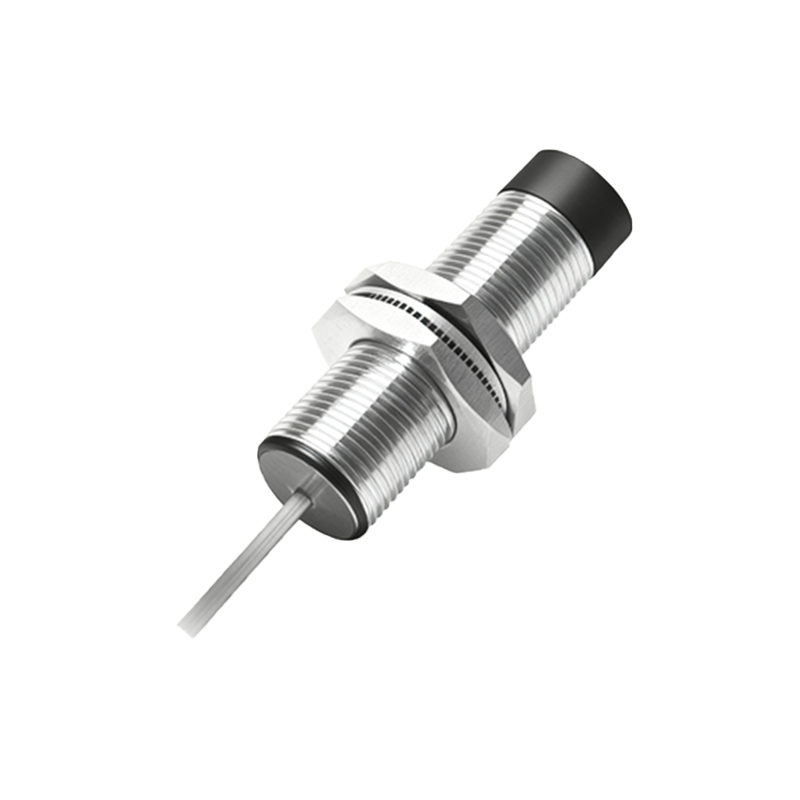
In the rapidly evolving landscape of industrial automation, proximity sensors have become indispensable components, enabling non-contact detection of objects across manufacturing, automotive, robotics, and countless other sectors. Selecting the right supplier is not merely about product specifications; it often hinges on strategic geographical locations that impact logistics, support, and collaboration. This article delves into the global network of proximity sensor suppliers, highlighting key addresses and the industry dynamics surrounding them.
North America remains a powerhouse for proximity sensor innovation and supply. Major suppliers like Rockwell Automation, with headquarters in Milwaukee, Wisconsin, and key distribution centers across the United States and Canada, offer extensive local support. Similarly, Honeywell, based in Charlotte, North Carolina, operates numerous facilities that cater to the aerospace, industrial, and building sectors. The concentration of suppliers in the Midwest and Eastern Seaboard facilitates quick delivery and on-site technical assistance, crucial for industries with stringent downtime requirements.
Europe boasts a dense cluster of precision engineering firms specializing in sensor technology. Germany stands out, with companies like Siemens AG headquartered in Munich and Berlin, and IFM Electronic, a leader in sensor solutions, based in Essen. These suppliers often have central warehouses in the Netherlands or Belgium, leveraging the region's logistical advantages for pan-European distribution. Switzerland’s contributions, through firms like Baumer Group in Frauenfeld, emphasize high-precision sensors for pharmaceutical and watchmaking industries. The proximity to major automotive hubs in Germany and Italy further strengthens the supply chain integration.
The Asia-Pacific region has emerged as a critical hub, driven by massive manufacturing output. Japan is home to giants like Omron Corporation in Kyoto and Keyence Corporation in Osaka, renowned for their advanced inductive and capacitive sensors. China’s supplier landscape is vast, with numerous manufacturers clustered in industrial zones such as Shenzhen, Shanghai, and Suzhou, offering cost-effective solutions for global markets. South Korea’s Autonics, with its base in Busan, and several Taiwanese firms add to the region’s diversity, supporting electronics and semiconductor fabrication.
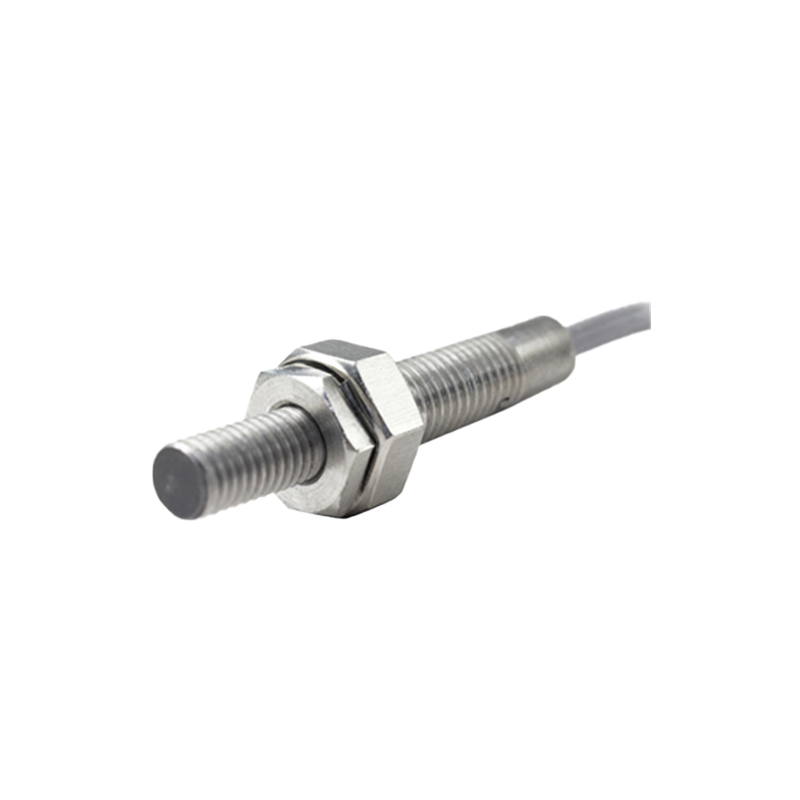
Beyond these primary regions, emerging markets in Southeast Asia, India, and Eastern Europe are expanding their supplier networks, often focusing on cost-competitive models and localized production to serve regional demands.
Choosing a supplier involves evaluating not just the address but the entire ecosystem—R&D capabilities, certification standards (like ISO, UL), after-sales service, and adaptability to Industry 4.0 trends. Many top suppliers now offer digital platforms for real-time inventory and technical documentation, blurring geographical boundaries while still relying on physical hubs for rapid response.
In conclusion, the global map of proximity sensor suppliers is intricate, shaped by industrial heritage, technological advancement, and logistical strategy. Whether prioritizing cutting-edge innovation from Germany, scalable production from China, or integrated automation solutions from the U.S., understanding these geographical nuances empowers engineers to make informed, strategic sourcing decisions that enhance operational resilience and efficiency.