Proximity sensors are indispensable components in modern industrial automation, offering non-contact detection of objects within a specific range. These devices operate by emitting electromagnetic fields or beams of radiation to identify the presence, absence, or position of target objects without physical contact. The primary types include inductive, capacitive, ultrasonic, and photoelectric sensors, each tailored to different materials and environmental conditions.
In manufacturing, inductive proximity sensors are widely used for metal detection. They excel in harsh environments with dust, oil, or moisture, making them ideal for monitoring machine parts like gears, pistons, or conveyor belts. For instance, on assembly lines, they ensure precise positioning of metal components, triggering robotic arms to weld or assemble parts accurately. This reduces downtime and enhances production efficiency by preventing jams or misalignments.
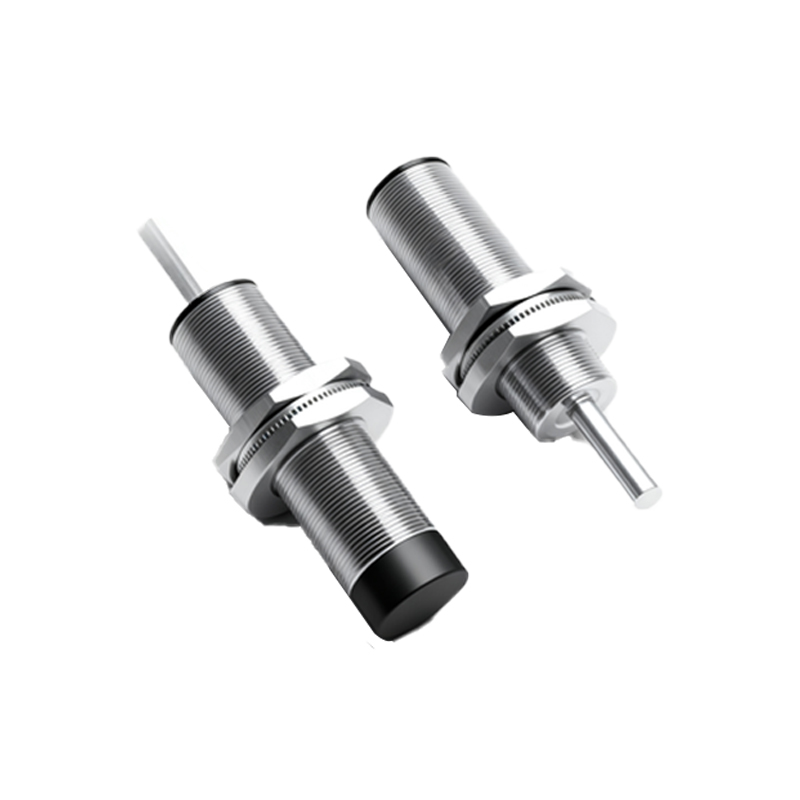
Capacitive sensors detect both metallic and non-metallic materials, such as plastics, liquids, or wood. In packaging industries, they monitor fill levels in containers, ensuring bottles or boxes are correctly filled before sealing. Similarly, in food processing, these sensors verify the presence of packaging materials, like foil or cardboard, maintaining hygiene standards by avoiding direct contact with products.
Ultrasonic proximity sensors use sound waves to measure distance or detect objects, even in challenging conditions like fog or steam. They are common in logistics for palletizing and warehouse automation, where they guide autonomous vehicles (AGVs) to navigate shelves and avoid collisions. In automotive manufacturing, ultrasonic sensors assist in parking systems and assembly line inspections, providing reliable data for quality control.
Photoelectric sensors, utilizing light beams, offer long-range detection and high precision. They are pivotal in electronics manufacturing for verifying component placement on circuit boards. In pharmaceutical settings, they ensure blister packs are correctly sealed, minimizing waste and compliance risks. Additionally, in automotive paint shops, photoelectric sensors detect vehicle bodies to coordinate spray-painting robots, ensuring uniform coating without overspray.
Beyond manufacturing, proximity sensors enhance safety and energy efficiency. In hazardous areas, they activate emergency stops when workers approach dangerous machinery, reducing accident risks. For energy management, sensors control lighting or HVAC systems in smart buildings, turning them on only when occupancy is detected, thus cutting operational costs.
The integration of proximity sensors with IoT and Industry 4.0 technologies has further expanded their utility. Real-time data from sensors feed into centralized systems for predictive maintenance, alerting operators to potential failures before they occur. This connectivity supports agile production lines, where sensors adjust processes dynamically based on incoming materials or order changes.
Despite their advantages, selecting the right sensor requires considering factors like sensing range, material composition, and environmental interference. Regular calibration and shielding from electrical noise are essential for optimal performance. As industries evolve toward greater automation, proximity sensors will continue to play a critical role in enabling smarter, safer, and more efficient operations. Their versatility and reliability make them a cornerstone of innovation across sectors from aerospace to consumer electronics.