In the realm of high-precision manufacturing, laser welding has emerged as a cornerstone technology, enabling unparalleled accuracy and efficiency in joining materials. However, the success of laser welding processes heavily relies on the integration of advanced fixture sensors, which ensure optimal positioning, stability, and quality control. This article delves into the latest advancements in laser welding fixture sensor technology, exploring their critical role in modern industrial applications.
Laser welding fixture sensors are specialized devices designed to monitor and adjust the clamping forces, alignment, and thermal dynamics during welding operations. These sensors are typically embedded within the fixture systems that hold workpieces in place, providing real-time feedback to control systems. Key types of sensors used include force sensors, displacement sensors, and infrared thermal sensors. Force sensors measure the clamping pressure exerted on the workpiece, preventing deformation or misalignment that could compromise weld integrity. Displacement sensors, such as linear variable differential transformers (LVDTs), track minute movements of the fixture or workpiece, allowing for micro-adjustments to maintain precise alignment. Infrared thermal sensors monitor heat distribution during welding, helping to prevent overheating or uneven thermal expansion that might lead to defects like cracks or porosity.
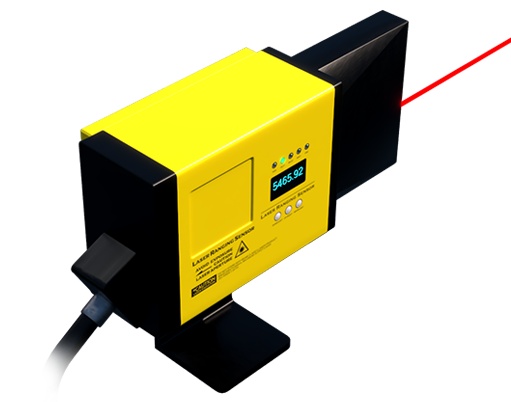
Recent technological innovations have significantly enhanced the capabilities of these sensors. For instance, the development of smart sensors with embedded microprocessors enables autonomous data analysis and adaptive control. These sensors can communicate directly with programmable logic controllers (PLCs) or industrial computers via protocols like IO-Link or Ethernet/IP, facilitating seamless integration into Industry 4.0 frameworks. Additionally, advancements in materials science have led to more durable sensor designs capable of withstanding extreme temperatures and harsh environments common in laser welding setups. The use of ceramic coatings and high-temperature alloys extends sensor lifespan and reliability, reducing maintenance downtime.
The implementation of laser welding fixture sensors offers numerous benefits across various industries, including automotive, aerospace, and electronics manufacturing. In automotive production, sensors ensure consistent weld quality in critical components like battery packs for electric vehicles, where safety and durability are paramount. In aerospace, they enable the precise joining of lightweight alloys used in aircraft structures, enhancing fuel efficiency and structural integrity. For electronics, sensors support the miniaturization trend by allowing accurate welding of tiny components without damage. Case studies from leading manufacturers highlight how sensor-integrated fixtures have reduced defect rates by up to 30% and increased production throughput by optimizing cycle times.
Looking ahead, the future of laser welding fixture sensor technology is poised for further growth with the integration of artificial intelligence (AI) and machine learning algorithms. AI-driven systems can predict potential failures or quality issues by analyzing historical sensor data, enabling proactive maintenance and process optimization. Moreover, the rise of collaborative robots (cobots) equipped with advanced sensors is set to revolutionize flexible manufacturing lines, allowing for rapid reconfiguration and customization. As industries continue to demand higher precision and efficiency, ongoing research in sensor miniaturization, wireless connectivity, and energy harvesting will likely drive next-generation innovations.
In conclusion, laser welding fixture sensors are indispensable tools in achieving high-quality, repeatable welding outcomes. By leveraging cutting-edge sensor technology, manufacturers can enhance process control, reduce waste, and stay competitive in a rapidly evolving global market. Embracing these advancements not only improves operational efficiency but also paves the way for smarter, more adaptive manufacturing ecosystems.