In the realm of industrial automation and process control, long range proximity sensors are indispensable components. These sophisticated devices enable non-contact detection of objects at extended distances, providing critical data for positioning, counting, and safety applications. Selecting the right long range proximity sensor supplier is paramount for ensuring system reliability, efficiency, and longevity. This guide delves into the key considerations, technological aspects, and leading market players in this specialized field.
Long range proximity sensors operate primarily on inductive, capacitive, ultrasonic, or photoelectric principles. Inductive sensors, effective for detecting metallic objects, can achieve ranges up to several tens of millimeters, with specialized models pushing further. Capacitive sensors detect both metallic and non-metallic materials, often at similar or slightly shorter ranges. For truly extended detection distances—sometimes exceeding several meters—ultrasonic and photoelectric (especially laser-based) sensors are the technologies of choice. Photoelectric sensors use light beams, with laser types offering highly focused, long-range detection capabilities, ideal for precise positioning in logistics or large-scale manufacturing. Ultrasonic sensors, utilizing sound waves, excel in challenging environments with dust, vapor, or variable lighting conditions.
When evaluating suppliers, several technical and commercial factors must be scrutinized. First, the sensing range and accuracy are fundamental. A reputable supplier provides clear specifications under various operating conditions, including temperature influences and target material dependencies. Environmental robustness is another critical criterion. Industrial settings often involve exposure to moisture, chemicals, extreme temperatures, and mechanical vibrations. Suppliers like Turck, Pepperl+Fuchs, and Sick AG have built strong reputations for manufacturing sensors with high Ingress Protection (IP) ratings and robust housing materials like stainless steel or specialized plastics.
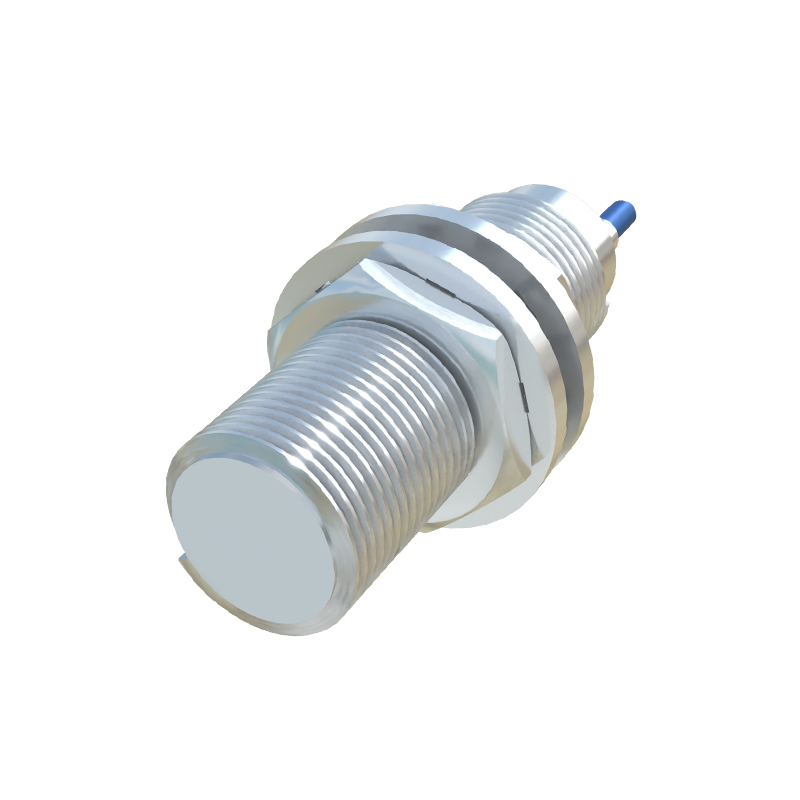
Output configuration and connectivity are equally important. Modern sensors offer diverse output options, including analog (4-20 mA, 0-10 V), discrete (PNP/NPN), and IO-Link digital communication. IO-Link, becoming an industry standard, allows for parameter setting, advanced diagnostics, and seamless integration into Industry 4.0 frameworks. Leading suppliers are at the forefront of this smart sensor revolution. Furthermore, customization capabilities can be a decisive factor. Some applications require unique housing shapes, specific cable lengths, or special lens filters. Suppliers such as Balluff and ifm electronic are known for their flexibility in providing tailored solutions.
The global market features a mix of large multinational corporations and specialized niche providers. Sick AG is renowned for its innovative photoelectric and ultrasonic sensors, offering some of the longest ranges available for complex automation tasks. Pepperl+Fuchs excels in intrinsic safety and hazardous area certifications, making them a go-to for oil, gas, and chemical industries. Turck and Balluff are praised for their extensive product portfolios and robust, connector-friendly designs that simplify installation and maintenance. Omron and Keyence are leaders in precision and miniaturization, often integrating advanced sensing with controller functionalities. For cost-effective solutions without significant compromise on quality, suppliers like Autonics and Carlo Gavazzi present strong alternatives.
Beyond product specs, the supplier's support ecosystem is vital. This includes comprehensive technical documentation, responsive application engineering support, global availability, and reliable warranty terms. A supplier with a strong distribution network ensures reduced downtime for replacements. Additionally, many top suppliers offer online configuration tools and simulation software, enabling engineers to select and validate the perfect sensor for their application before purchase.
In conclusion, the selection of a long range proximity sensor supplier is a strategic decision that impacts operational performance. Engineers must balance technical requirements—range, accuracy, environmental sealing, and output—with commercial considerations like cost, availability, and support. By partnering with established, innovative suppliers who prioritize quality and adaptability, industries can build more resilient, efficient, and intelligent automated systems. The ongoing trends towards miniaturization, smarter diagnostics, and seamless IIoT integration will continue to shape the offerings of leading suppliers in this dynamic market.