In the realm of industrial automation and control, the reliable detection of metallic objects without physical contact is a fundamental requirement. Among the various technologies available, the 220V AC inductive proximity sensor stands as a robust and widely adopted solution. This article delves into the operational principles, key characteristics, typical applications, and crucial selection criteria for these essential components.
At its core, an inductive proximity sensor operates on the principle of electromagnetic induction. The sensor generates a high-frequency oscillating electromagnetic field via a coil wound around a ferrite core at its active face. When a metallic object (the "target") enters this field, eddy currents are induced on the target's surface. These eddy currents draw energy from the sensor's oscillator, causing a reduction in the oscillation amplitude. An integrated evaluation circuit within the sensor detects this amplitude change and triggers a switching action in its output circuit. For 220V AC models, this output typically switches the AC line voltage directly to a load, such as a contactor coil, solenoid valve, or indicator lamp.
The designation "220V AC" refers to the sensor's operating supply voltage and output switching capability. These sensors are designed to be powered directly from standard single-phase AC mains common in many industrial regions (e.g., 220-240V AC, 50/60Hz). This direct compatibility eliminates the need for separate power supplies or voltage converters, simplifying system design and reducing component count in control panels. The output is usually a solid-state switch (like a TRIAC) or, in some heavy-duty designs, an electromechanical relay contact, capable of handling substantial AC current loads.
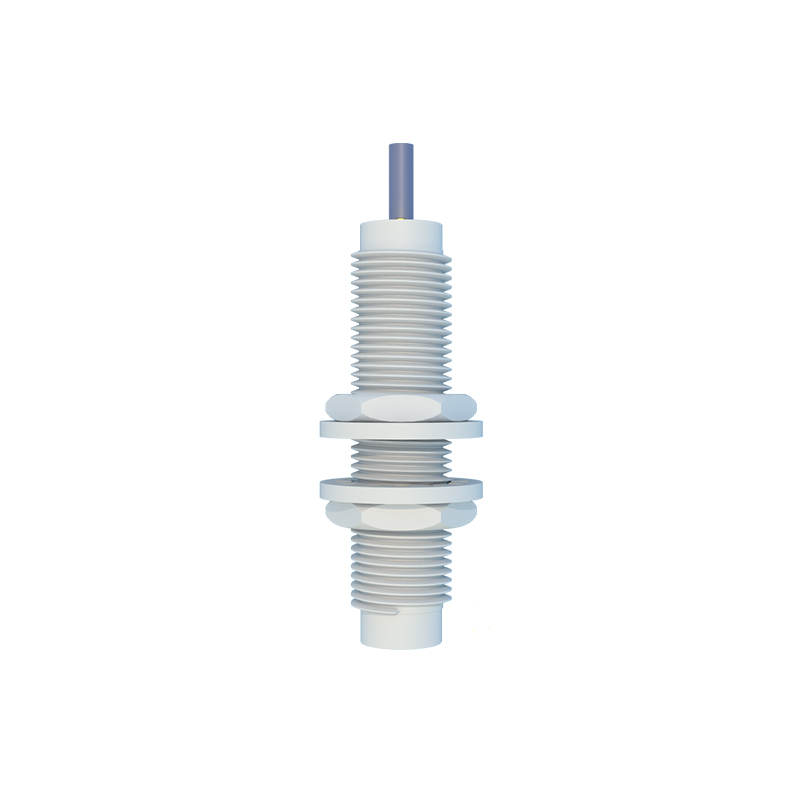
Key specifications define the performance of a 220V AC inductive sensor. The sensing range, or nominal operating distance (Sn), is a critical parameter, typically ranging from a few millimeters to about 30 mm for standard cylindrical models. It's important to note that this range is specified for a standard mild steel target. Factors such as target material, size, shape, and installation conditions (flush or non-flush) significantly influence the effective sensing distance. For instance, stainless steel or aluminum reduces the effective range due to different electrical conductivity and magnetic permeability. Another vital specification is the switching frequency, which indicates how many on/off cycles the sensor can handle per second. While generally lower than their DC counterparts due to the nature of the AC cycle, modern 220V AC sensors offer frequencies sufficient for most industrial sequencing applications.
Environmental robustness is a hallmark of these sensors. They are commonly housed in rugged metallic (often nickel-plated brass or stainless steel) or high-grade plastic bodies, featuring high Ingress Protection (IP) ratings like IP67 or IP69K. This makes them resistant to dust, water jets, and washdowns, suitable for harsh environments in machine tools, food processing, or automotive manufacturing. Many models also incorporate built-in protection against short-circuits, overloads, and voltage transients, enhancing system reliability.
Applications for 220V AC inductive proximity sensors are vast. They are extensively used for position detection: verifying the presence or absence of a metal part on a conveyor, confirming the end-of-travel of a machine slide, or detecting the closure of a metal door or guard. In material handling, they count metal objects or control sorting gates. In machine tools, they monitor tool presence or workpiece positioning. Their ability to interface directly with higher-power AC loads makes them ideal for directly controlling motors, actuators, and heating elements in simpler control schemes.
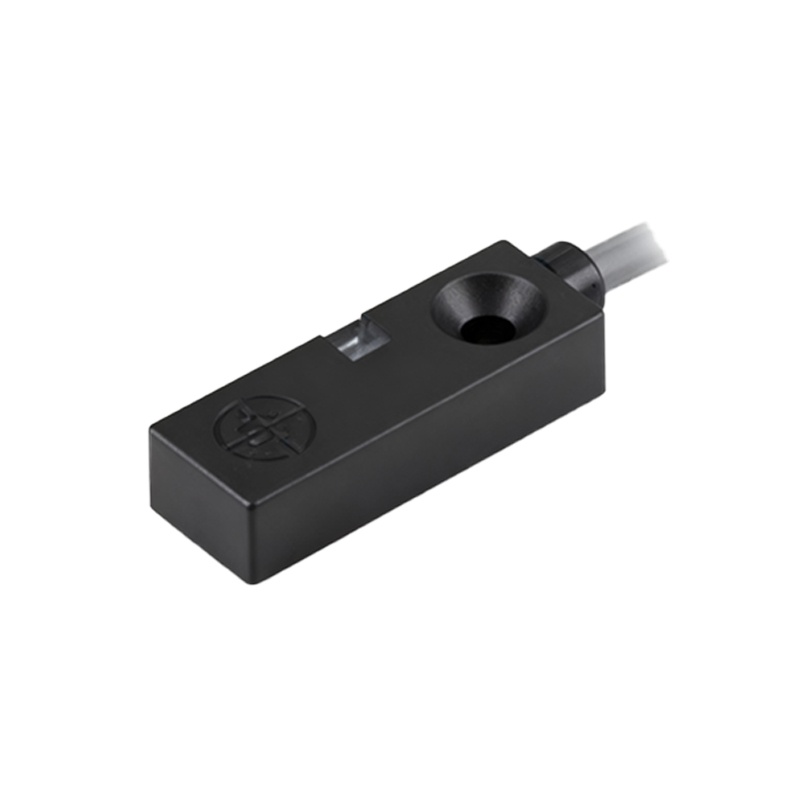
Selecting the right 220V AC inductive sensor requires careful consideration. First, confirm the available supply voltage matches the sensor's range (e.g., 90-250V AC). Next, determine the required sensing distance and ensure the target material and size are compatible. The sensor's housing shape (cylindrical, rectangular, ring-shaped) and size must fit the mechanical installation constraints. The output type (normally open [NO] or normally closed [NC]) must align with the control logic. The load current rating of the sensor's output must exceed the inrush and steady-state current of the connected device. Finally, the environmental conditions dictate the necessary housing material and IP rating. For areas with strong electromagnetic interference, models with enhanced noise immunity are recommended.
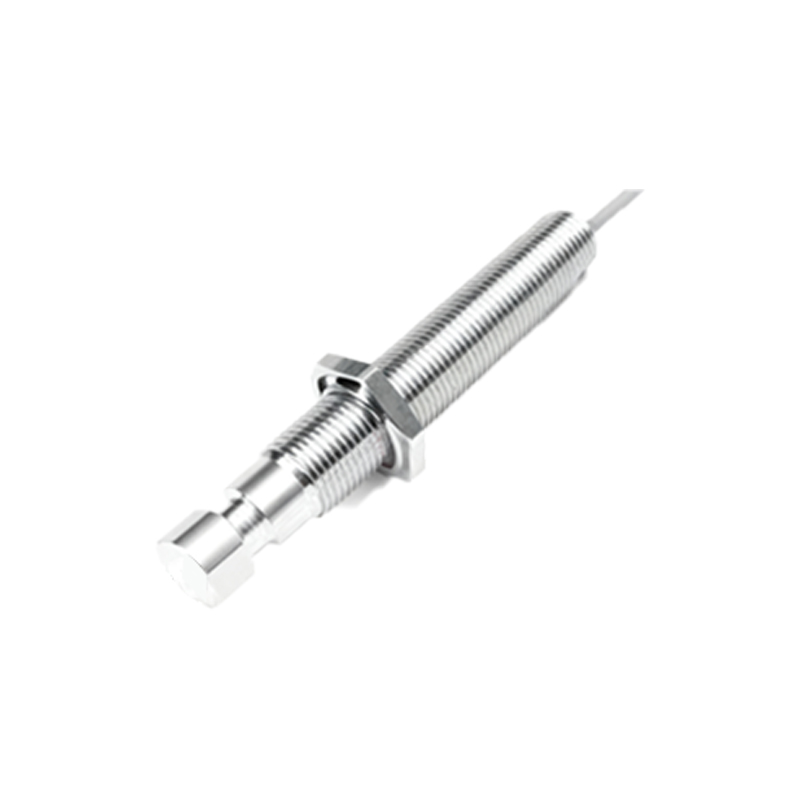
In summary, the 220V AC inductive proximity sensor is a workhorse of industrial sensing, offering a straightforward, durable, and powerful solution for metallic object detection. Its direct integration with AC power systems and robust construction ensures longevity and reliability in demanding applications. By understanding its operating principles and carefully matching its specifications to the application requirements, engineers and technicians can effectively leverage this technology to build safer, more efficient, and more automated systems.