M4 proximity sensors represent a critical component in modern industrial automation, offering reliable non-contact detection capabilities across diverse environments. These sensors operate on the principle of electromagnetic induction, generating an oscillating electromagnetic field that detects the presence of metallic objects without physical contact. The M4 series is particularly renowned for its compact cylindrical design, typically measuring 4mm in diameter, making it suitable for space-constrained applications.
One of the standout features of M4 proximity sensors is their robust construction. Encased in stainless steel or nickel-plated brass housings, they exhibit exceptional resistance to mechanical stress, chemicals, and temperature fluctuations. Many models are rated IP67 or higher, ensuring reliable performance in harsh conditions involving dust, moisture, or oil exposure. The sensing range varies by model but generally falls between 0.5mm to 2mm for standard ferrous metals, with reduced ranges for non-ferrous materials.
Electrical characteristics of M4 sensors include multiple output options such as NPN, PNP, or analog configurations, allowing seamless integration with PLCs, controllers, and other industrial electronics. Operating voltages commonly span 10-30V DC, with low current consumption enhancing energy efficiency. Response times are typically under 1ms, enabling high-speed detection in rapid production lines. Built-in LED indicators provide visual status feedback, simplifying installation and troubleshooting.
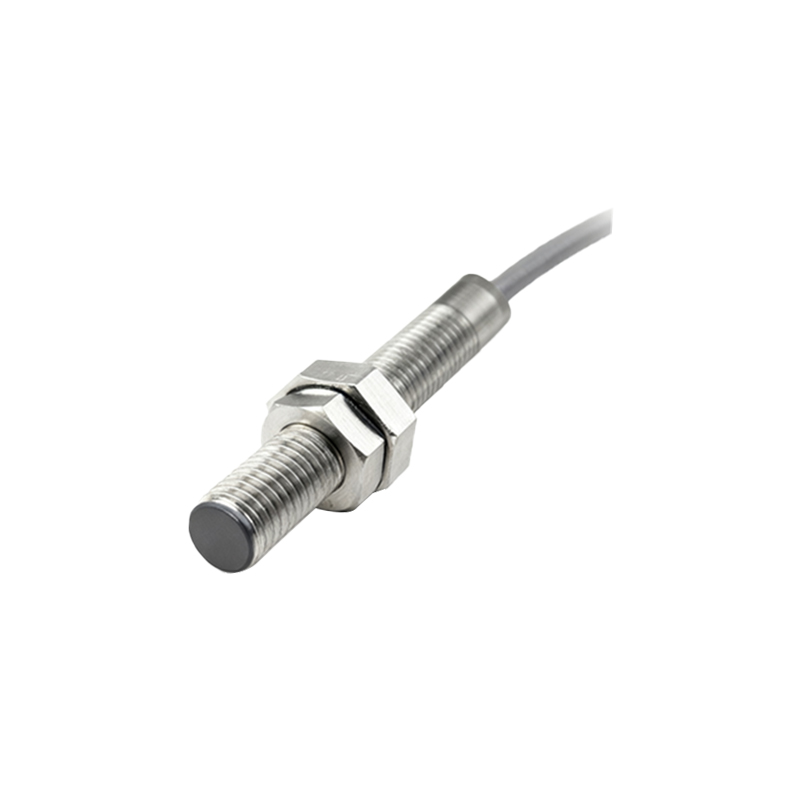
In industrial settings, M4 proximity sensors serve numerous functions. They are extensively used in precision positioning systems, where they detect the presence of machine parts, verify component placement, or monitor linear/rotary motion. In assembly lines, these sensors ensure correct part orientation before robotic handling or welding processes. Packaging machinery relies on them for counting products, controlling fill levels, or detecting labels. Automotive manufacturing employs M4 sensors for quality control, such as verifying bolt presence or checking gear alignment.
Installation and alignment are straightforward but require attention to detail. Sensors should be mounted securely to minimize vibration effects, with adequate clearance from surrounding metal to prevent interference. Regular maintenance involves cleaning the sensing face to remove debris and verifying electrical connections. Calibration may be necessary when switching between different target materials.
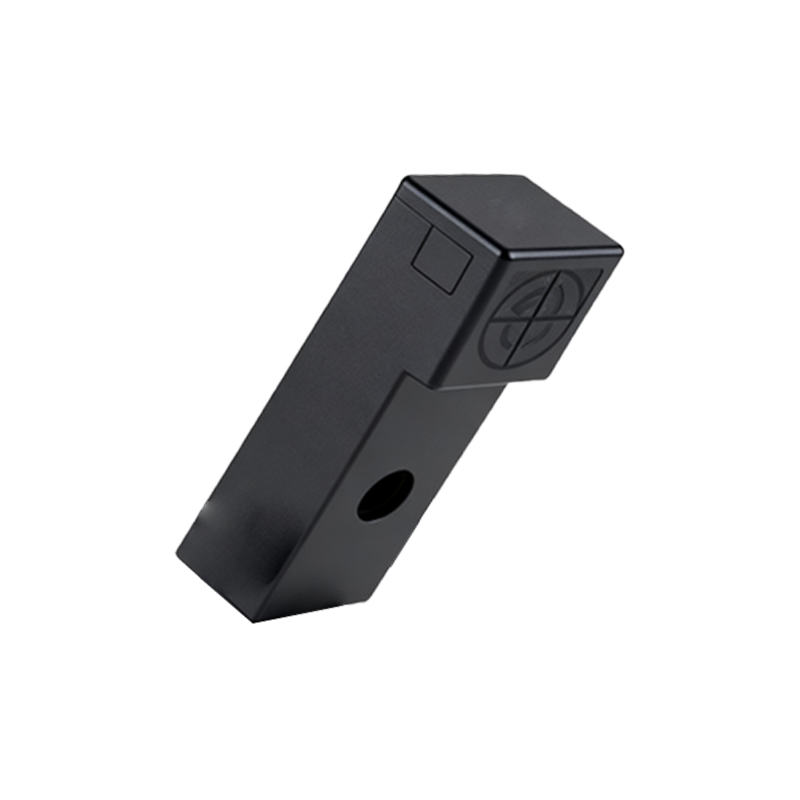
Advancements in M4 sensor technology include enhanced noise immunity, wider temperature tolerances (from -25°C to 85°C), and improved shielding against electromagnetic interference. Some models now incorporate IO-Link communication for digital parameter setting and diagnostic data exchange, supporting Industry 4.0 initiatives.
When selecting an M4 proximity sensor, engineers must consider factors like target material, required sensing distance, environmental conditions, and output compatibility. For instance, ferrous metals yield the longest detection ranges, while aluminum or copper may require specialized models. In washdown environments, food-grade seals are essential.
In summary, M4 proximity sensors deliver precision, durability, and versatility for industrial automation. Their ability to perform in demanding applications—from semiconductor fabrication to heavy machinery—makes them indispensable in optimizing operational efficiency and safety. As industries evolve toward smarter manufacturing, these sensors will continue to adapt, integrating advanced features while maintaining the reliability that defines the M4 series.