Proximity sensors have become indispensable components in modern automation, robotics, and consumer electronics. Their ability to detect the presence or absence of objects without physical contact makes them critical for efficiency and safety. The manufacturing process of these sensors is a sophisticated blend of precision engineering, material science, and stringent quality control. This article delves into the core stages of proximity sensor production and explores key trends shaping the industry.
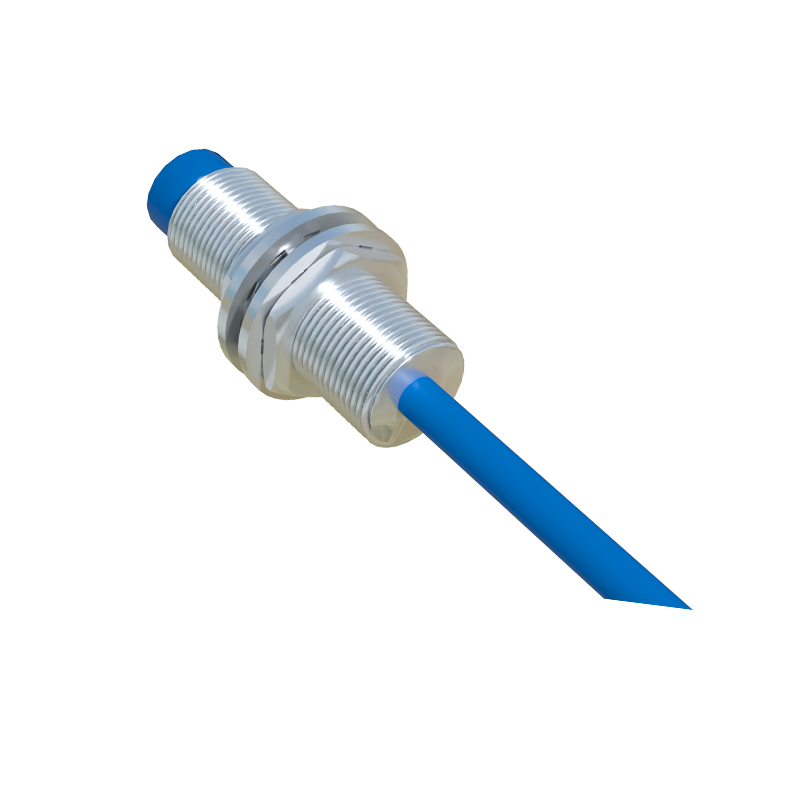
The journey begins with the selection of core sensing technology. The most common types are inductive, capacitive, and photoelectric sensors, each with distinct manufacturing pathways. Inductive sensors, used for detecting metallic objects, are built around a coil wound on a ferrite core. The production involves precise coil winding, often automated for consistency, followed by encapsulation in a robust housing, typically made of nickel-plated brass or stainless steel for industrial durability. The oscillator and demodulator circuits are then integrated onto a printed circuit board (PCB), which is populated using Surface Mount Technology (SMT) for high-density, reliable connections.
Capacitive sensor manufacturing, suited for both metallic and non-metallic materials, focuses on creating sensitive electrode plates. These electrodes are often made from conductive materials like copper and are carefully insulated. The housing design is crucial to shield the sensor from environmental interference. The associated circuitry, designed to measure minute changes in capacitance, is assembled with high-precision components to ensure stability and sensitivity.
Photoelectric sensors, which use a light emitter and receiver, require the most delicate assembly. A key step is the precise alignment of the LED or laser diode with the phototransistor or photodiode. This alignment is often performed in cleanroom conditions to prevent dust from obstructing the optical path. The lenses and windows are made from specialized plastics or glass to protect the internal components while allowing optimal light transmission.
Across all types, the PCB assembly is a universal and critical phase. After SMT placement and reflow soldering, the board undergoes rigorous testing, including In-Circuit Testing (ICT) and functional checks. The sensor's housing is then assembled, which involves molding, machining, and sealing. For sensors rated with high Ingress Protection (IP) grades, such as IP67 or IP69K, the sealing process—using gaskets, O-rings, or potting compounds—is vital to ensure resistance to dust, water, and chemicals.
Quality assurance is embedded throughout the manufacturing cycle. Each batch of components is inspected upon receipt. During assembly, automated optical inspection (AOI) systems verify solder joints and component placement. The final product undergoes a battery of performance tests: sensing range verification, response time measurement, temperature cycling, vibration tests, and long-term reliability trials. This ensures the sensor meets specified technical datasheet parameters and can withstand harsh operational environments.
The proximity sensor industry is currently driven by several powerful trends. The rise of Industry 4.0 and the Industrial Internet of Things (IIoT) demands sensors with embedded intelligence. Manufacturers are increasingly integrating microprocessors and communication interfaces like IO-Link into their designs. This allows for parameter configuration, predictive maintenance data, and seamless integration into smart factory networks.
Miniaturization is another dominant force, particularly for consumer electronics and compact machinery. This pushes advancements in micro-electromechanical systems (MEMS) technology and high-density PCB design. Simultaneously, there is a growing demand for sensors with extended ranges, higher switching frequencies, and enhanced resistance to electromagnetic interference (EMI).
Sustainability considerations are also influencing production. Efforts are being made to reduce the use of hazardous substances, design for recyclability, and optimize energy consumption during both manufacturing and the sensor's operational life. Furthermore, supply chain resilience has become a priority, leading many manufacturers to diversify sources and invest in advanced, automated production lines to maintain consistent output and quality.
In conclusion, manufacturing a proximity sensor is a complex, multi-stage process that transforms raw materials into a highly reliable and intelligent component. From the initial coil winding or electrode fabrication to the final sealed housing and digital communication features, each step requires meticulous attention to detail. As automation deepens and smart systems proliferate, the role of the proximity sensor will only grow, continually pushing manufacturers to innovate in materials, processes, and integrated functionality to meet the evolving demands of a connected world.