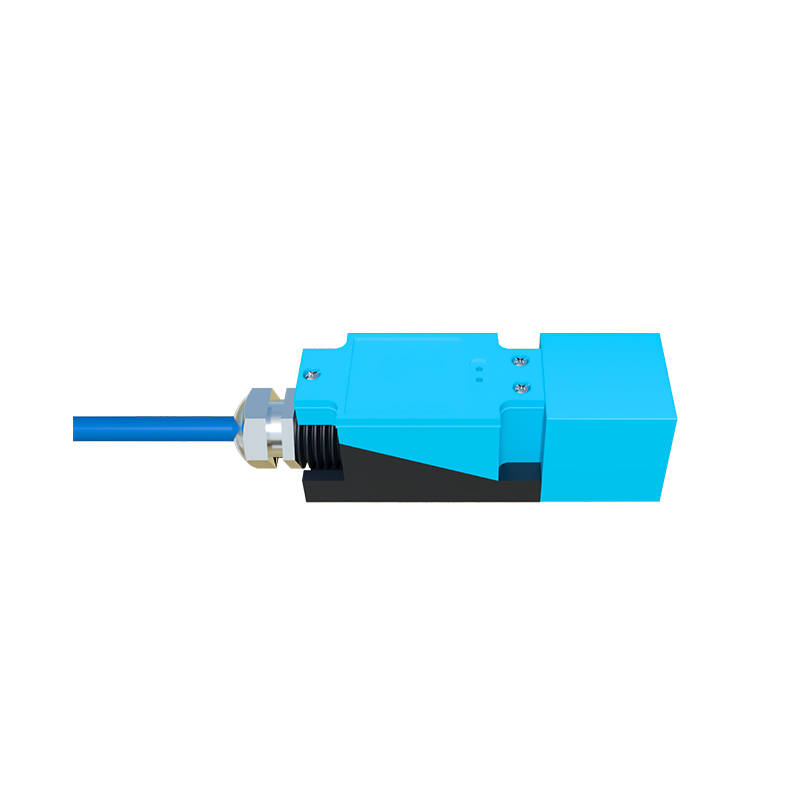
Color mark sensors, also known as color registration sensors, are specialized photoelectric devices designed to detect specific color marks or contrasts on moving materials. Unlike standard photoelectric sensors that respond to light intensity changes, color mark sensors differentiate targets based on chromaticity or spectral reflectance. They emit a focused light beam—typically red, green, blue, or white LED-based—and analyze the reflected light's wavelength characteristics to identify predefined color thresholds.
In industrial settings, these sensors play a critical role in ensuring precision in manufacturing processes. Common applications include label positioning in packaging machines, print registration in flexographic and rotary printing, cut-to-length control for colored materials, and alignment of patterned fabrics or films. For instance, in label application systems, a color mark sensor detects a small printed mark on the backing paper, triggering the dispenser to apply the label accurately onto products. This eliminates material waste and maintains consistent product presentation.
Modern color mark sensors incorporate advanced features to handle complex environments. Many models offer teach-in functionality, allowing operators to quickly calibrate the sensor to a reference color by pressing a button. High-speed response versions can detect marks at line speeds exceeding 10 meters per second. To combat ambient light interference, some sensors use modulated light sources with synchronous detection circuits. Others include RGB (red, green, blue) channel analysis, enabling them to distinguish subtle hue differences even under varying lighting conditions.
Selecting an appropriate color mark sensor depends on several factors. The contrast between the mark and its background is paramount; a higher contrast ratio ensures reliable detection. The sensor's spectral response should match the mark's color—for example, a blue mark is best detected using a sensor with strong blue wavelength emission. Mounting distance, material surface properties (glossy, matte, transparent), and environmental factors like dust or humidity also influence performance. Many industrial-grade sensors feature rugged housings (IP67 rated) and integrated amplifiers for easy integration into PLC-controlled systems.
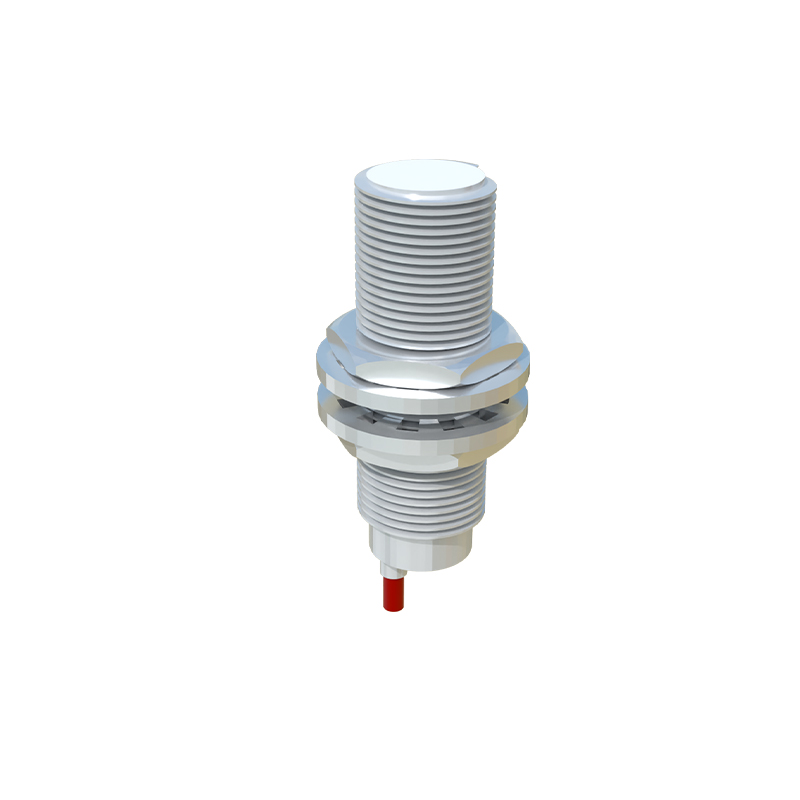
Installation and calibration are straightforward but require attention to detail. The sensor should be mounted perpendicular to the target surface to minimize angular reflection errors. During teaching, it is advisable to sample both the mark and the background multiple times to establish a stable detection threshold. Regular maintenance, such as cleaning the lens and verifying calibration after material changes, ensures long-term accuracy.
The evolution of color mark sensors continues with trends toward miniaturization, enhanced connectivity (IO-Link, Ethernet/IP), and smarter diagnostics. Some newer models incorporate machine learning algorithms to adapt to gradual color shifts in materials. As industries increasingly adopt flexible manufacturing and high-mix production, the demand for reliable, versatile color detection solutions will grow, solidifying the color mark sensor's role as an indispensable tool for quality control and automation efficiency.