Proximity sensors have become indispensable components in modern industrial automation, offering a range of benefits that enhance efficiency, safety, and reliability. Unlike mechanical limit switches, these non-contact devices detect the presence or absence of an object without physical touch, leading to significant operational advantages.
One of the primary advantages is their exceptional durability and longevity. Since there is no mechanical contact between the sensor and the target object, wear and tear are virtually eliminated. This results in a much longer operational lifespan compared to contact-based switches, reducing maintenance frequency and replacement costs. In harsh industrial environments—where dust, moisture, oil, or chemical exposure is common—sealed proximity sensors (such as inductive or capacitive types) continue to perform reliably where mechanical components might fail.
Another key benefit is the high-speed response capability. Proximity sensors can detect objects at very fast rates, often in microseconds, making them ideal for high-speed production lines, packaging machinery, and robotic systems. This rapid detection ensures precise timing and positioning, which is critical for synchronization in automated processes. For instance, in conveyor systems, they accurately count or position items without slowing down the line, directly boosting throughput.
Precision and repeatability are also standout features. These sensors provide consistent detection with minimal variance, even over millions of cycles. Inductive proximity sensors, for example, can detect metallic objects with high repeat accuracy, essential in machining, assembly, and quality control applications. This reliability minimizes errors and reduces waste, contributing to higher product quality.
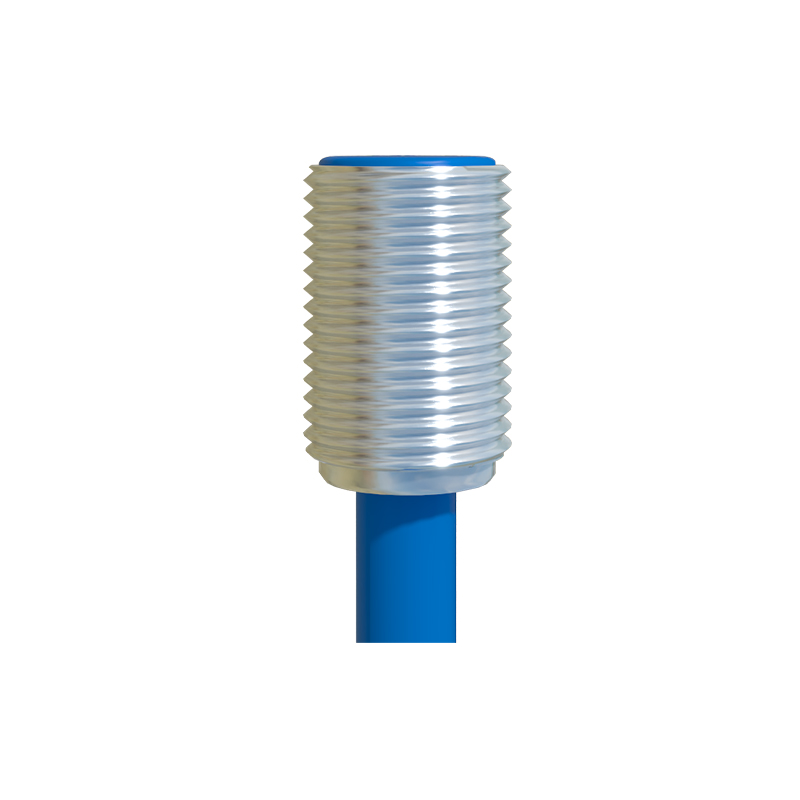
Furthermore, proximity sensors enhance safety in industrial settings. By enabling non-contact detection, they help create safer machine interfaces. For example, they can be used to monitor guard positions, detect operator presence in hazardous zones, or ensure proper clamping before a machine cycle begins—all without risking physical injury or equipment damage. This aligns with modern safety standards and reduces accident risks.
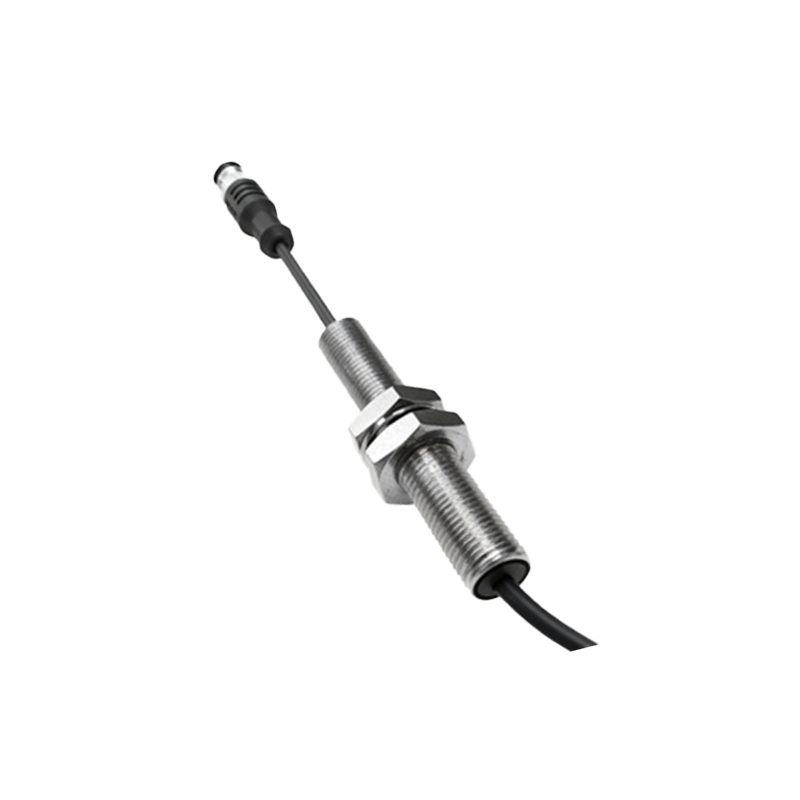
Energy efficiency and low power consumption are additional advantages, especially with modern solid-state designs. Many proximity sensors consume minimal power while maintaining high performance, which is beneficial for energy-conscious facilities and battery-operated systems.
Versatility in application is another strong point. Available in various types—inductive (for metals), capacitive (for non-metals, liquids, or granular materials), ultrasonic, and photoelectric—they can be tailored to diverse detection needs. Whether it’s sensing a metal gear tooth, detecting a glass bottle, or monitoring fluid levels, there is a proximity sensor suited for the task. Their compact sizes also allow installation in tight spaces where other sensors might not fit.
Lastly, the integration simplicity with control systems (like PLCs, PACs, or robotics controllers) via standard output signals (PNP/NPN, analog, IO-Link) streamlines automation setups. This plug-and-play compatibility reduces wiring complexity and commissioning time, accelerating deployment and scalability.
In summary, the advantages of proximity sensors—durability, speed, precision, safety, efficiency, versatility, and easy integration—make them a cornerstone of industrial automation. By adopting these sensors, engineers can build more resilient, productive, and intelligent systems that meet the demands of modern manufacturing.