In the realm of industrial automation and electronic systems, X-dot matrix infrared proximity sensors have become indispensable components for detecting object presence, distance, and motion without physical contact. These sensors operate by emitting infrared light through a matrix of LEDs and measuring the reflected signals using photodetectors. When functioning normally, they exhibit consistent performance, reliability, and accuracy, making them vital in applications ranging from robotics and automotive safety to consumer electronics and smart home devices.
A normally operating X-dot matrix infrared proximity sensor demonstrates several key characteristics. First, it maintains stable output signals within specified thresholds, ensuring minimal noise or drift. The sensor's response time remains swift, typically in the millisecond range, allowing for real-time detection in dynamic environments. Calibration parameters, such as sensitivity and detection range, stay aligned with manufacturer specifications, enabling precise object tracking. Additionally, the infrared emission pattern from the dot matrix array is uniform, avoiding hotspots or dead zones that could compromise detection integrity. Environmental factors like ambient light interference are effectively mitigated through built-in filtering algorithms, ensuring consistent operation under varying conditions.
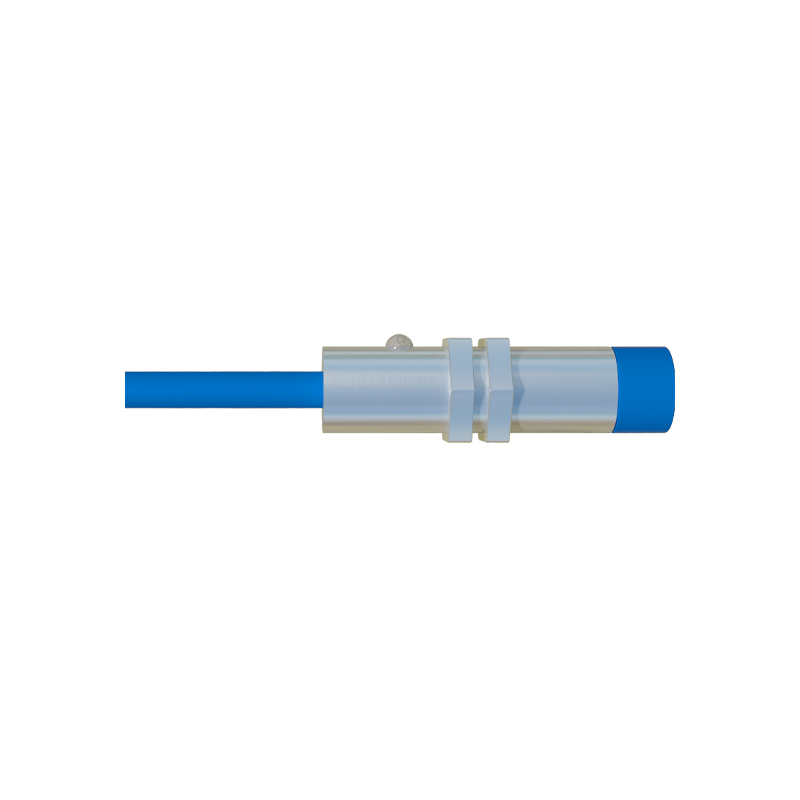
To verify normal operation, engineers often conduct routine diagnostics. This includes checking power supply stability, as voltage fluctuations can impact sensor performance. Signal integrity tests assess the analog or digital outputs for anomalies, while thermal imaging may be used to confirm even infrared distribution across the matrix. In field applications, normal sensors contribute to enhanced safety and efficiency—for instance, in automotive systems, they enable features like automatic braking by detecting obstacles, and in industrial settings, they facilitate precise assembly line automation.
Common indicators of normalcy include consistent data logs, absence of error codes in connected systems, and reliable performance over extended periods. Maintenance practices, such as periodic cleaning of sensor lenses to prevent dust accumulation, help sustain normal function. As technology advances, modern X-dot matrix sensors integrate self-diagnostic features, alerting users to potential issues before failure occurs. Ultimately, understanding these normal operational traits empowers engineers to optimize system design, reduce downtime, and ensure seamless integration across diverse industries.
In summary, the reliability of X-dot matrix infrared proximity sensors hinges on their ability to operate normally under designed conditions. By adhering to technical standards and implementing proactive monitoring, professionals can leverage these sensors to drive innovation and operational excellence in an increasingly automated world.