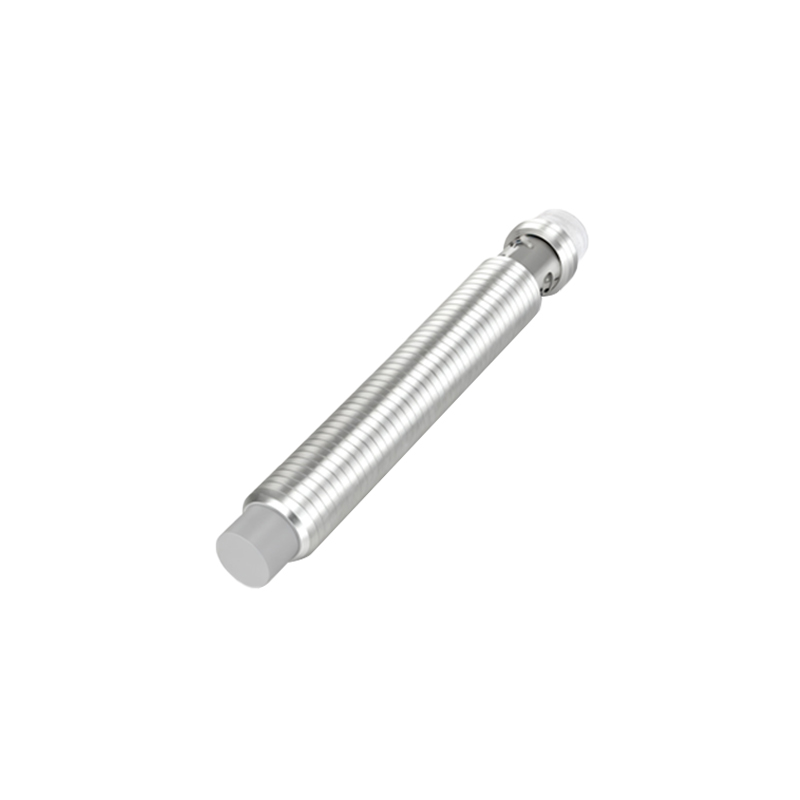
In the intricate world of industrial automation, proximity sensors stand as silent sentinels, enabling precise, non-contact detection critical for efficiency and safety. The companies that design and manufacture these components are not merely suppliers; they are specialized engineering firms whose core competency lies in the sophisticated architecture of the sensor itself. The structure of a proximity sensor—encompassing its coil design, oscillator circuit, detection head, housing, and output stage—is the definitive factor in its performance, reliability, and application suitability. Leading structure-focused companies excel by mastering the physics of electromagnetic fields, eddy currents, and capacitive coupling, translating these principles into robust, miniaturized, and intelligent devices.
The engineering philosophy at the heart of a top-tier proximity sensor structure company begins with the core sensing technology. For inductive sensors, the precision-wound coil and ferrite core assembly is paramount. Companies differentiate themselves through advanced simulation and winding techniques that optimize the electromagnetic field's shape and intensity, allowing for longer sensing distances or enhanced immunity to surrounding metals. For capacitive sensors, the electrode design and shielding become the critical structural elements, engineered to detect specific materials while ignoring environmental interference like moisture or dust. This deep material science and electromagnetic competency is the first pillar of their structural expertise.
Beyond the sensing element, the encapsulation and housing represent a critical structural challenge. These components must protect delicate electronics from harsh industrial environments involving extreme temperatures, corrosive chemicals, high-pressure washdowns, and physical impact. Leading firms employ advanced molding processes, utilizing materials like PBT, PTFE, or stainless steel to create hermetically sealed, IP67/IP69K-rated bodies. The structural design ensures not just protection but also optimal mounting flexibility, with diverse form factors like cylindrical barrels, rectangular blocks, or ring-shaped models for specific integration needs. The mechanical integrity is as engineered as the electrical performance.
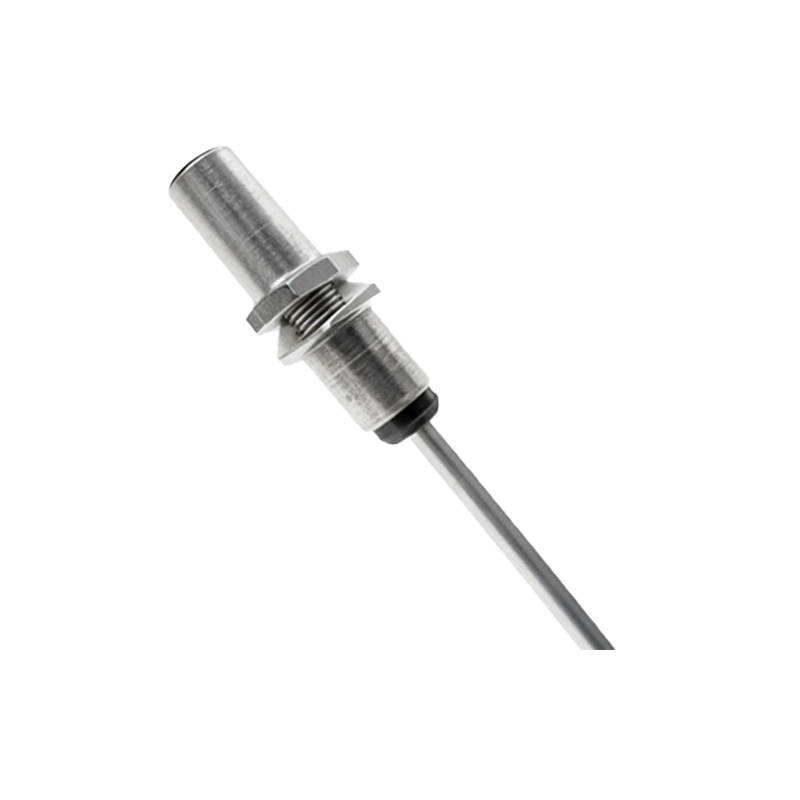
The internal electronic architecture is where intelligence is embedded. Modern proximity sensors are no longer simple switches. Progressive companies integrate Application-Specific Integrated Circuits (ASICs) and microcontrollers into their structural design. This allows for programmable sensing parameters, diagnostic functions like overload protection and short-circuit detection, and advanced output types (e.g., IO-Link). The structural layout of the PCB, power regulation, and signal conditioning circuits is meticulously planned to minimize noise, reduce heat generation, and ensure stable operation across voltage fluctuations. This trend towards "smart structure" enables predictive maintenance and Industry 4.0 connectivity.
Furthermore, innovation in structural design drives application-specific solutions. Companies develop sensors with exceptionally flat or narrow profiles for space-constrained installations. They engineer weld-field immune models with special coil shielding for robotic welding cells. For food and pharmaceutical applications, the structure prioritizes hygienic design with smooth surfaces and FDA-compliant materials. This application-driven structural adaptation showcases a company's ability to translate client challenges into engineered hardware solutions, moving beyond standard catalog items to value-added custom designs.
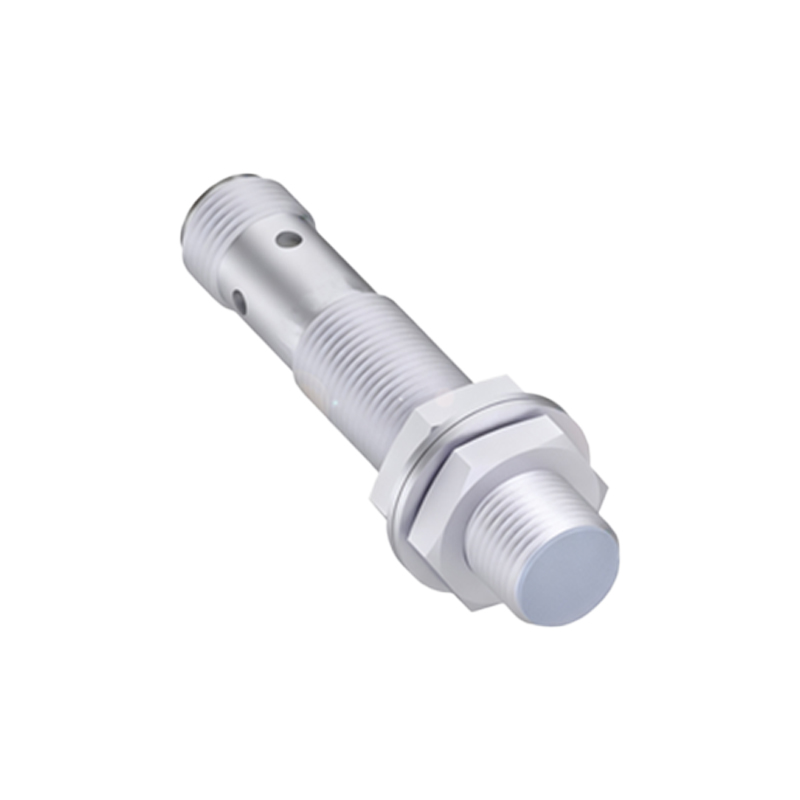
The competitive landscape features established global players like Sick AG, Pepperl+Fuchs, Omron Corporation, Balluff GmbH, and ifm electronic gmbh, renowned for their systematic R&D and rigorous quality control in sensor structure. Simultaneously, agile specialized firms and regional leaders compete by offering exceptional durability, unique form factors, or cost-optimized designs for high-volume applications. The supply chain expertise—securing high-grade electronic components and rare-earth metals for cores—also forms a crucial part of a company's structural capability, ensuring consistency and longevity.
Ultimately, a company specializing in proximity sensor structures is an engineering partner. Its value is measured by the precision, durability, and intelligence baked into the physical and electronic architecture of its products. As industries demand higher speeds, greater precision, and more data from the factory floor, these companies will continue to innovate at the structural level—developing sensors that are smaller, smarter, tougher, and more integrated than ever before, solidifying their role as fundamental enablers of advanced automation. The future will see structures incorporating more embedded diagnostics and wireless capabilities, all within the same ruggedized shell, pushing the boundaries of what a simple "switch" can achieve.