BOE laser sensors are widely recognized for their precision, reliability, and versatility in industrial automation. Proper configuration is crucial to unlocking their full potential, ensuring accurate detection, measurement, and control in diverse environments. This guide outlines the essential steps and considerations for setting up BOE laser sensors effectively.
The initial phase involves mechanical and electrical installation. Mount the sensor securely using appropriate brackets, ensuring it is aligned perpendicular to the target surface to avoid angular errors. Vibration-resistant fixtures are recommended in high-motion settings. For electrical connections, refer to the sensor's datasheet to identify pin assignments for power supply, output signals, and communication interfaces. Most BOE laser sensors operate on 12-24V DC; verify polarity to prevent damage. Use shielded cables and route them away from high-voltage lines to minimize electromagnetic interference (EMI), which can distort sensor readings.
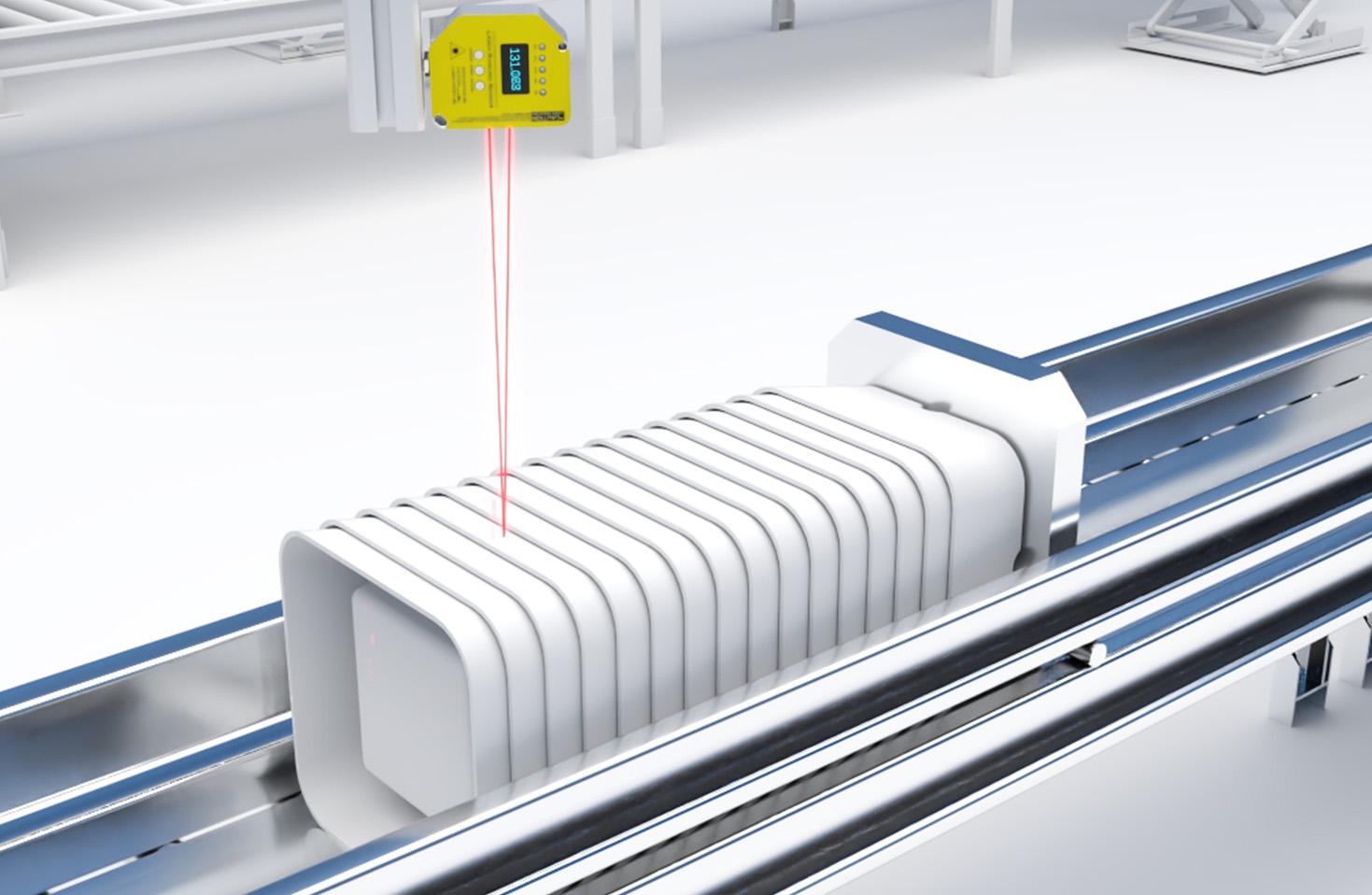
Once physically installed, power on the sensor and proceed to parameter configuration. Modern BOE sensors often feature intuitive interfaces, such as teach buttons, digital displays, or software-based tools. Key parameters to adjust include:
1. Sensing Mode: Select between background suppression, retro-reflective, or through-beam modes based on the application. Background suppression is ideal for detecting objects against varied backdrops, while through-beam offers long-range accuracy.
2. Output Type: Configure the output as NPN/PNP (sinking/sourcing) or analog (0-10V/4-20mA) to match the control system's input requirements.
3. Response Time: Set the sensor's response speed to balance rapid detection with stability—faster times suit high-speed lines but may increase noise sensitivity.
4. Threshold Values: Define switching points for detection limits. Use the teach function to program thresholds by placing the target at desired positions, ensuring repeatability.
Environmental factors significantly impact performance. In dusty or humid conditions, enable built-in compensation features if available. For temperature fluctuations, BOE sensors typically have wide operating ranges, but avoid direct exposure to extreme heat or cold. Regular lens cleaning with a soft, lint-free cloth maintains optical clarity, preventing false triggers from debris accumulation.
Calibration and testing are vital final steps. Perform a baseline calibration using a reference target under normal operating conditions. Validate settings by running the sensor through expected scenarios, checking for consistent output signals. Utilize diagnostic LEDs or software monitors to troubleshoot issues like alignment drift or signal instability. For complex setups, such as multi-sensor networks, synchronize configurations via IO-Link or Ethernet protocols to ensure cohesive system operation.
In summary, meticulous installation, tailored parameter adjustment, and rigorous testing are fundamental to optimizing BOE laser sensors. By adhering to these practices, engineers can enhance system efficiency, reduce downtime, and achieve precise automation outcomes in applications ranging from packaging to robotic guidance.