In industrial automation and control systems, photoelectric sensors are widely used for object detection, positioning, and counting due to their high precision, non-contact operation, and versatility. However, a common question arises among engineers and technicians: what happens when a magnet is brought near a photoelectric sensor? Understanding the interaction between magnets and these sensors is crucial for ensuring reliable system performance and avoiding operational failures.
Photoelectric sensors operate based on the principle of light emission and reception. Typically, they consist of a light source (often an LED or laser diode) and a photodetector. When an object interrupts or reflects the light beam, the sensor detects the change and triggers an output signal. These sensors are categorized into three main types: through-beam, retro-reflective, and diffuse reflective. Each type relies on optical principles rather than magnetic fields, which might suggest that magnets should have no direct effect. However, the reality is more nuanced due to the sensor's internal components and environmental factors.
Magnets generate magnetic fields that can influence electronic circuits and components. In photoelectric sensors, the primary concern is not the optical part but the surrounding electronics, such as signal amplifiers, processors, and wiring. Strong magnetic fields can induce currents in conductive materials, leading to electromagnetic interference (EMI). This interference may cause false triggering, signal noise, or temporary malfunction of the sensor. For instance, if a magnet is placed close to the sensor's housing, it could disrupt the delicate electronic circuitry, especially in analog or high-sensitivity models. In severe cases, prolonged exposure to powerful magnets might even damage integrated circuits or alter calibration settings.
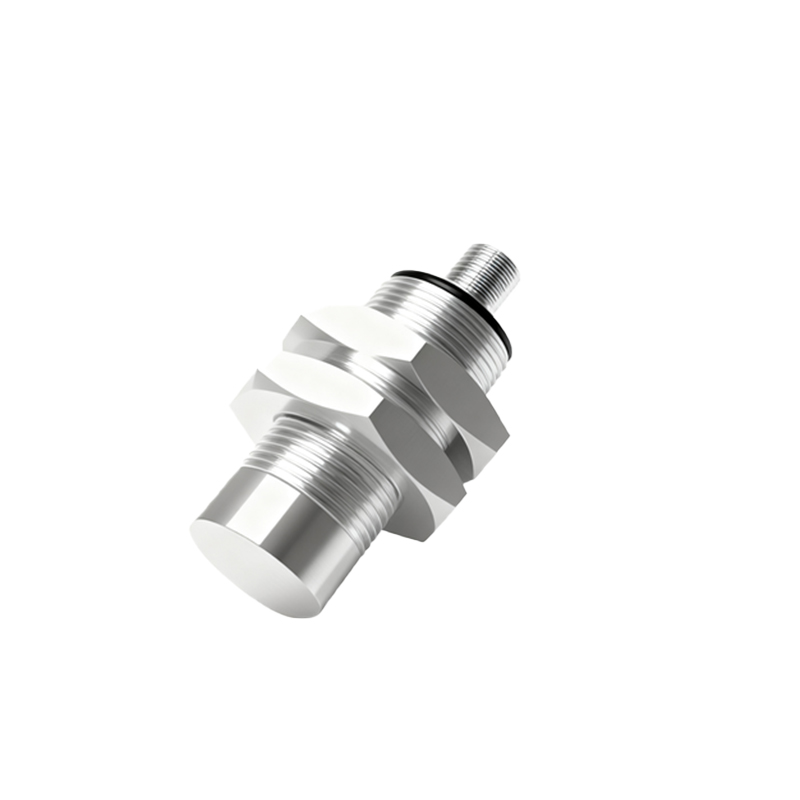
Another aspect to consider is the sensor's housing and shielding. Many industrial-grade photoelectric sensors are designed with metal casings that provide some level of electromagnetic compatibility (EMC) protection. These casings can mitigate the effects of external magnetic fields, but they are not foolproof. If the magnet is strong enough—such as those made from neodymium or used in heavy machinery—it could penetrate the shielding and affect internal components. Additionally, sensors with plastic housings offer less protection, making them more vulnerable to magnetic interference.
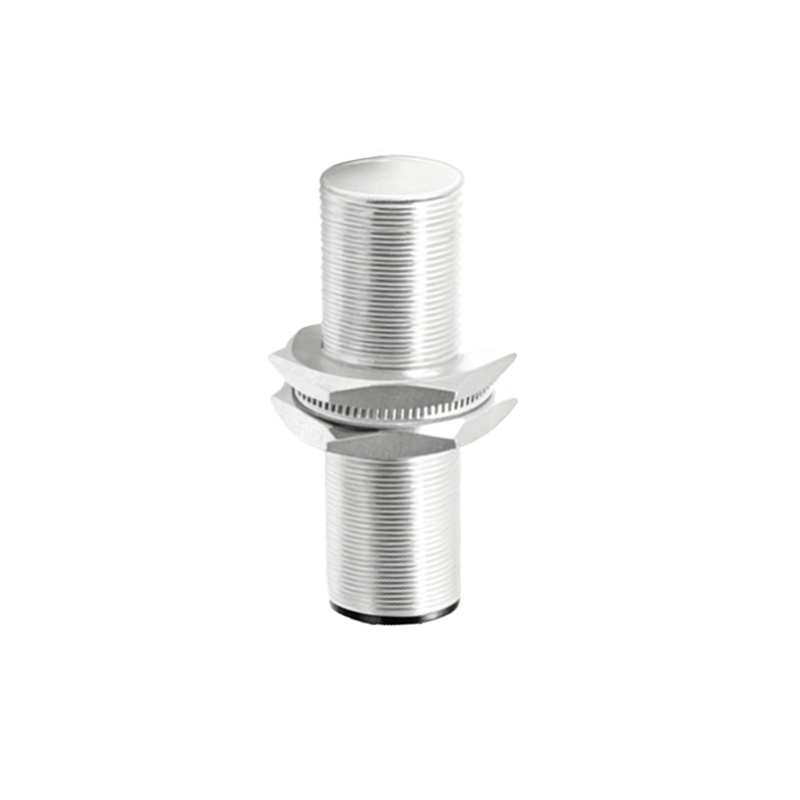
Practical scenarios in industrial settings often involve magnets in proximity to sensors. For example, in conveyor systems, magnetic separators or lifting equipment might be installed near photoelectric sensors for object handling. In such cases, it is essential to maintain a safe distance between magnets and sensors. Based on empirical studies and manufacturer guidelines, a minimum separation of 10 to 20 centimeters is recommended for standard magnets, while stronger magnets may require greater distances. Engineers should also consider the orientation of the magnetic field relative to the sensor, as alignment can influence the degree of interference.
To mitigate risks, several best practices can be adopted. First, always refer to the sensor's datasheet for specific EMC ratings and magnetic field tolerance levels. Second, use sensors with enhanced shielding or opt for models specifically designed for harsh environments, such as those with IP67 ratings and robust EMI protection. Third, conduct on-site testing with magnets under controlled conditions to observe any adverse effects before full-scale deployment. Finally, regular maintenance and monitoring can help detect early signs of interference, such as inconsistent readings or unexpected output fluctuations.
In summary, while photoelectric sensors are not inherently magnetic devices, they can be affected by magnets through electromagnetic interference. The impact varies based on factors like magnet strength, sensor design, and distance. By understanding these dynamics and implementing preventive measures, engineers can ensure the longevity and accuracy of photoelectric sensors in magnet-rich industrial environments. This knowledge contributes to safer and more efficient automation systems, minimizing downtime and optimizing productivity.