In industrial automation, manufacturing, and various high-tech applications, proximity sensors are indispensable components. These non-contact devices detect the presence or absence of objects, enabling critical control functions in machinery, robotics, and safety systems. However, their very integration into safety-critical roles necessitates a rigorous focus on proximity sensor safety. Ensuring their secure operation is not merely about device functionality but is a fundamental pillar of overall system integrity and personnel protection. A comprehensive safety approach encompasses proper selection, correct installation, diligent maintenance, and an understanding of their inherent limitations.
The foundation of safety begins with selecting the right sensor for the application. Not all proximity sensors are created equal. Key specifications such as sensing range, repeat accuracy, response time, and environmental ratings (IP, NEMA) must be carefully matched to the operational demands. For instance, a sensor used in a washdown environment in food processing must have a high IP69K rating to withstand high-pressure, high-temperature cleaning, preventing failure due to ingress. Similarly, in applications involving different target materials (e.g., steel, aluminum, copper), the sensor's factor must be considered, as detection distances can vary. Using a sensor outside its specified parameters is a primary source of unreliable operation, which can directly compromise safety interlocks or machine control.
Installation is the next critical phase. Even a perfectly specified sensor can become a safety hazard if installed incorrectly. Mechanical mounting must be secure to prevent vibration-induced loosening or misalignment. Ensuring adequate clearance from other metal objects is crucial to avoid false triggering or shielding effects. Electrical wiring must conform to relevant standards (e.g., IEC, NEC), with proper attention to cable routing, strain relief, and connection integrity. For sensors integrated into safety circuits, such as those guarding a hazardous area, wiring must follow fail-safe principles, often requiring dual-channel configurations with monitoring safety relays. The wiring should be checked for short circuits, open circuits, and cross-talk with other power lines. Furthermore, the sensor must be positioned so that its sensing field is not inadvertently triggered by passing personnel or non-hazardous objects, which could lead to nuisance stops or, worse, a dangerous desensitization of operators.
Regular maintenance and testing are non-negotiable for sustained safety. Proximity sensors are often subjected to harsh conditions—physical impact, temperature extremes, contamination by oil, dust, or metal chips. A scheduled inspection routine should include visual checks for physical damage, cleaning of the sensing face to remove buildup, and verification of operational performance. Functional testing should simulate both the presence and absence of the target to confirm the sensor switches correctly. For safety-related sensors, this testing frequency is often mandated by risk assessment and standards like ISO 13849. Documentation of all tests and any corrective actions is essential for safety audits and traceability.
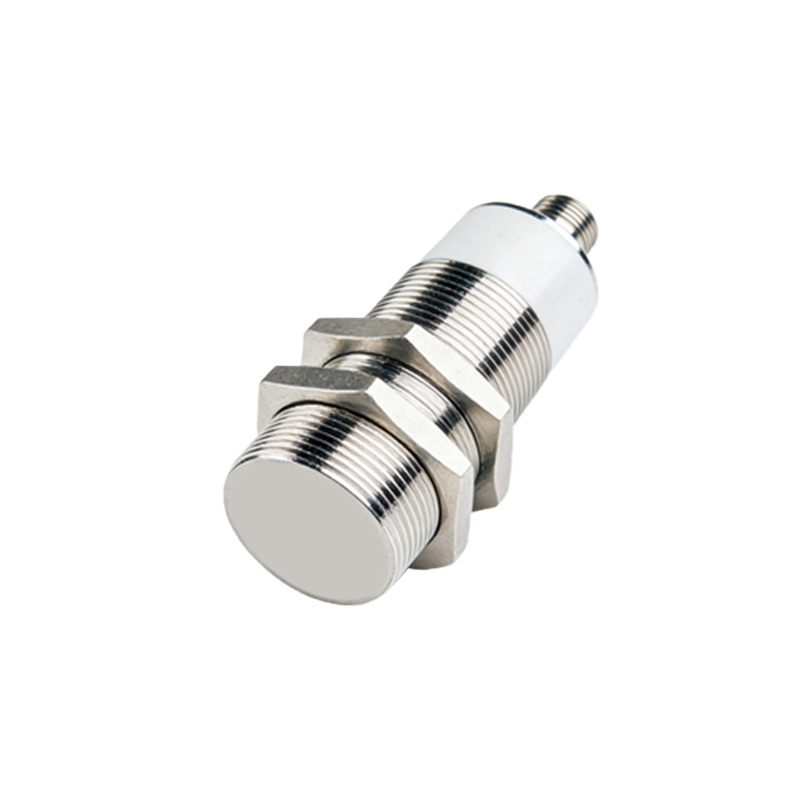
Understanding the limitations of the technology is vital. Inductive and capacitive proximity sensors have inherent blind zones very close to the sensing face. Relying on a sensor to detect an object already within this zone is unsafe. Their sensing ranges are defined for standard conditions; extreme temperatures can affect performance. Furthermore, no sensor is 100% reliable forever. Components degrade, electronics fail. Therefore, proximity sensors, especially for personnel protection, must never be used as the sole safety measure. They should be part of a layered safety system that may include physical guards, light curtains, pressure-sensitive mats, and robust control logic designed according to Safety Integrity Level (SIL) or Performance Level (PL) requirements.
Finally, a culture of safety must surround their use. Personnel interacting with the machinery must receive training on the purpose and function of the sensors. They should understand that bypassing, tampering with, or disabling a sensor—even temporarily—can have catastrophic consequences. Clear labeling, lockout-tagout procedures during maintenance, and accessible emergency stops complement the technical safety provided by the sensors themselves.
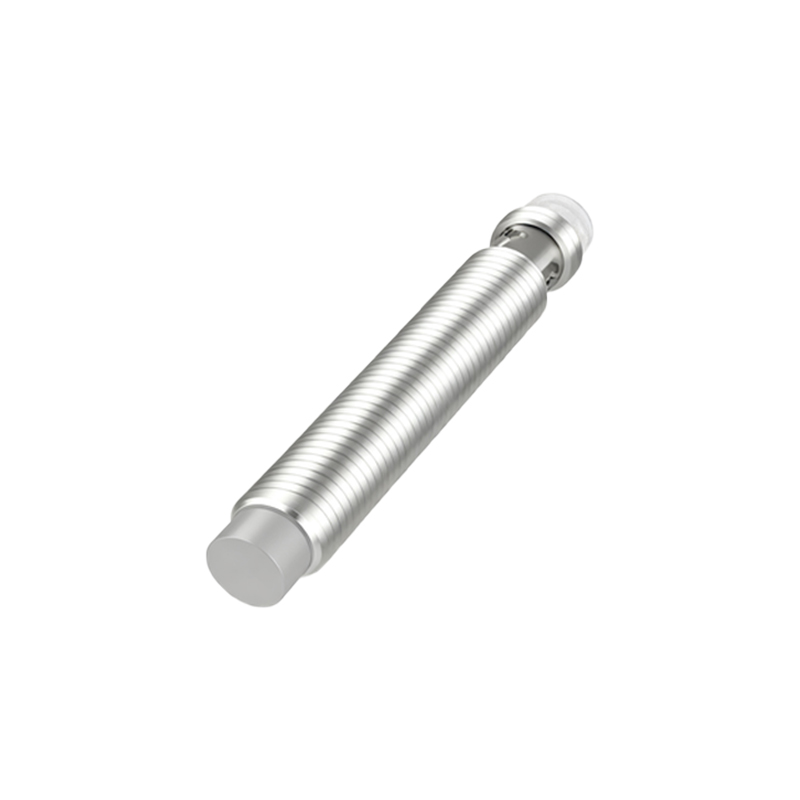
In conclusion, proximity sensor safety is a multi-faceted discipline. It extends from the initial engineering design through to daily operation and maintenance. By meticulously addressing selection, installation, maintenance, system integration, and human factors, organizations can leverage the immense benefits of proximity sensing technology while upholding the highest standards of operational safety and risk mitigation. The goal is to create an environment where reliable detection seamlessly supports both productivity and unwavering protection.