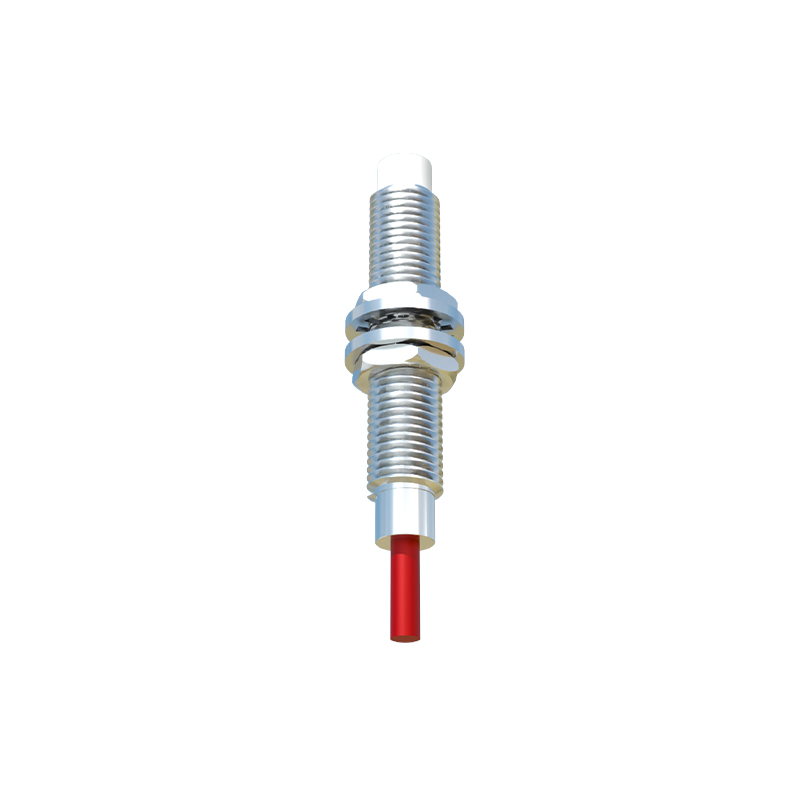
In modern industrial automation and precision manufacturing, the proximity switch wood board sensor represents a critical innovation for material detection and process control. Unlike traditional mechanical limit switches, these non-contact sensors offer enhanced reliability, longevity, and accuracy when working with wood-based materials. This technology is fundamental to optimizing production lines in furniture manufacturing, lumber processing, and automated packaging systems.
A proximity switch designed for wood board detection typically operates on capacitive or inductive sensing principles, with capacitive being the predominant choice for non-metallic materials. The sensor generates an electromagnetic field. When a wood board enters this detection field, it causes a measurable change in capacitance due to the wood's dielectric properties—even though wood is a poor conductor compared to metal. This change is processed by the sensor's internal oscillator and circuitry, triggering a solid-state output signal. This entire process occurs without any physical contact, eliminating mechanical wear and tear on both the sensor and the material.
The advantages of using such specialized sensors are substantial. First, they provide high repeat accuracy, ensuring consistent detection of wood boards of varying thicknesses, from veneers to heavy plywood or MDF panels. This is crucial for precise positioning in CNC routers, automated saws, and stacking systems. Second, their non-contact nature means there is no risk of marring or damaging the wood surface, which is essential for finished products. Third, these sensors are largely immune to environmental factors common in woodshops, such as dust and minor moisture variations, especially when equipped with appropriate IP (Ingress Protection) ratings. Their solid-state design also translates to a much longer operational life—often millions of cycles—compared to mechanical alternatives.
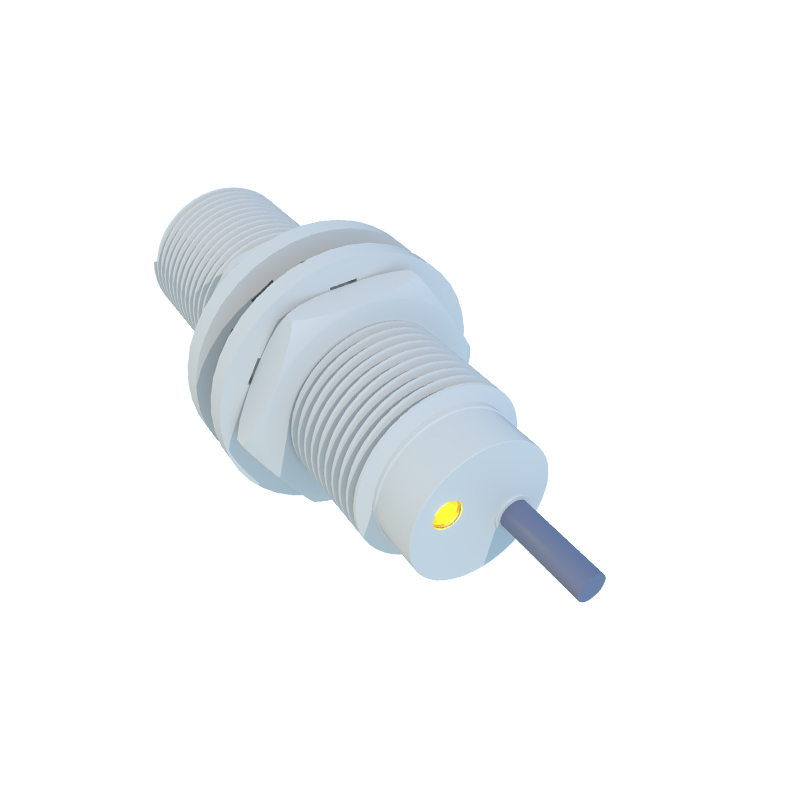
Key specifications to consider when selecting a proximity switch for wood include sensing distance, response frequency, output type (e.g., NPN/PNP), and housing material. Sensing distance, often rated for a specific material, must be carefully calibrated for wood, as its dielectric constant is lower than metal. Response frequency determines how quickly the sensor can detect boards passing on a high-speed conveyor. Output types integrate the sensor with Programmable Logic Controllers (PLCs) or other control systems. Durable housings made from materials like nickel-plated brass or PBT plastic protect the sensor from physical impact and airborne sawdust.
Application scenarios are diverse. In a panel sizing line, these sensors accurately detect the leading and trailing edges of boards, signaling saws or routers to activate. In automated sorting systems, they differentiate between wood types or thicknesses by setting different sensitivity thresholds. They are also integral to safety systems, ensuring a feeder table is clear before a new board is fed into a planer or press. Furthermore, in smart packaging lines for wood products, sensors verify the presence of a board before sealing or labeling.
Installation and maintenance are straightforward but require attention to detail. Sensors should be mounted securely to avoid vibration, and the sensing face must be parallel to the target surface for optimal performance. The detection distance should account for the specific type of wood, as density and moisture content can affect the dielectric constant. Regular cleaning of the sensor face to remove resin or dust buildup is the primary maintenance task, ensuring the electromagnetic field remains unobstructed.

The evolution of this technology continues. Modern "smart" sensors feature IO-Link communication, allowing for remote parameter adjustment, condition monitoring, and integration into Industry 4.0 networks. This enables predictive maintenance, where the control system can alert operators to potential sensor degradation or environmental changes before a failure occurs.
In conclusion, the proximity switch wood board sensor is a pivotal component that bridges the gap between raw material handling and automated, precision woodworking. By enabling reliable, non-contact detection, it enhances efficiency, protects product quality, and reduces downtime. For any operation involving the automated processing of wood, selecting and implementing the correct proximity sensing solution is an investment in smoother, more profitable, and safer production.