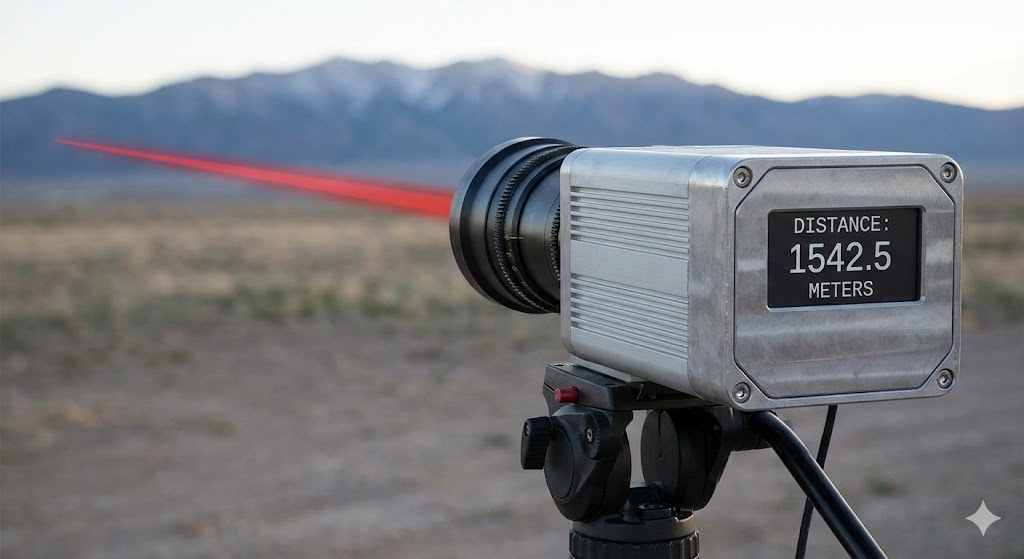
Laser sensors are pivotal components in modern industrial automation, leveraging the reflection principle to achieve high-precision measurements. At its core, a laser sensor operates by emitting a focused beam of coherent light toward a target object. When this beam strikes the surface, it reflects back to the sensor's receiver. The sensor then calculates critical parameters such as distance, position, or presence based on the properties of the reflected light, including time-of-flight, intensity, or phase shift.
The reflection principle hinges on the interaction between laser light and material surfaces. Different materials exhibit varying reflective characteristics—smooth, polished surfaces like metals often produce specular reflection, where light reflects at a consistent angle, while rough surfaces like textiles cause diffuse reflection, scattering light in multiple directions. Laser sensors are engineered to adapt to these variations, utilizing advanced optics and signal processing algorithms to filter noise and ensure reliable data acquisition. For instance, in distance measurement, time-of-flight sensors measure the round-trip time of the laser pulse, translating it into precise distance values. Alternatively, triangulation-based sensors analyze the angle of reflected light to determine object displacement, making them ideal for quality control on assembly lines.

In industrial settings, the robustness of laser sensors is paramount. They must perform consistently under harsh conditions, such as extreme temperatures, vibrations, or ambient light interference. Modern designs incorporate features like adjustable sensitivity, multiple sensing modes, and protective housings to enhance durability. Applications span diverse sectors: in automotive manufacturing, laser sensors monitor part alignment; in logistics, they enable barcode scanning and object detection; in robotics, they facilitate obstacle avoidance and navigation. The reflection principle also underpins safety systems, where sensors detect intrusions in hazardous zones, preventing accidents.
Advancements in laser technology continue to refine sensor capabilities. Innovations like blue laser diodes offer improved visibility and accuracy on dark surfaces, while fiber-optic integration allows for miniaturization and flexibility in confined spaces. Additionally, the integration of artificial intelligence enables predictive maintenance, where sensors analyze reflection patterns to anticipate equipment failures. As industries embrace Industry 4.0, laser sensors are evolving into smart devices that communicate via IoT networks, providing real-time analytics for optimized operations.
Despite their sophistication, challenges persist. Environmental factors like dust or moisture can attenuate laser beams, requiring regular calibration and cleaning. Engineers must select sensors based on specific application needs, considering factors like range, resolution, and response time. By understanding the reflection principle, professionals can deploy laser sensors effectively, driving efficiency and innovation in automation. Ultimately, these devices exemplify how fundamental physics translates into practical solutions, shaping the future of industrial engineering with every measured reflection.