In the dynamic landscape of industrial automation, the selection of sensing technology is a critical decision that directly impacts efficiency, safety, and reliability. Among the diverse array of options, square proximity sensors have carved out a significant niche. The question "Are square proximity sensors effective?" is not merely rhetorical but a practical inquiry for engineers and system integrators. The resounding answer, supported by technical merits and application versatility, is yes. Their effectiveness stems from a confluence of design advantages, robust performance, and adaptability to challenging environments.
Fundamentally, a square proximity sensor operates on the same principles as its cylindrical counterparts, typically using inductive, capacitive, or photoelectric technologies to detect the presence or absence of a target object without physical contact. The key differentiator is its housing. The square or rectangular form factor is not an aesthetic choice but an engineering solution. This shape allows for a larger sensing face compared to a cylindrical sensor of similar volume, which can be advantageous for detecting wider targets or providing a more generous alignment tolerance during installation. The flat surfaces facilitate easier and more secure mounting on machinery, often using standard brackets or directly onto T-slotted aluminum framing, a staple in modern industrial design. This simplifies integration and reduces installation time and complexity.
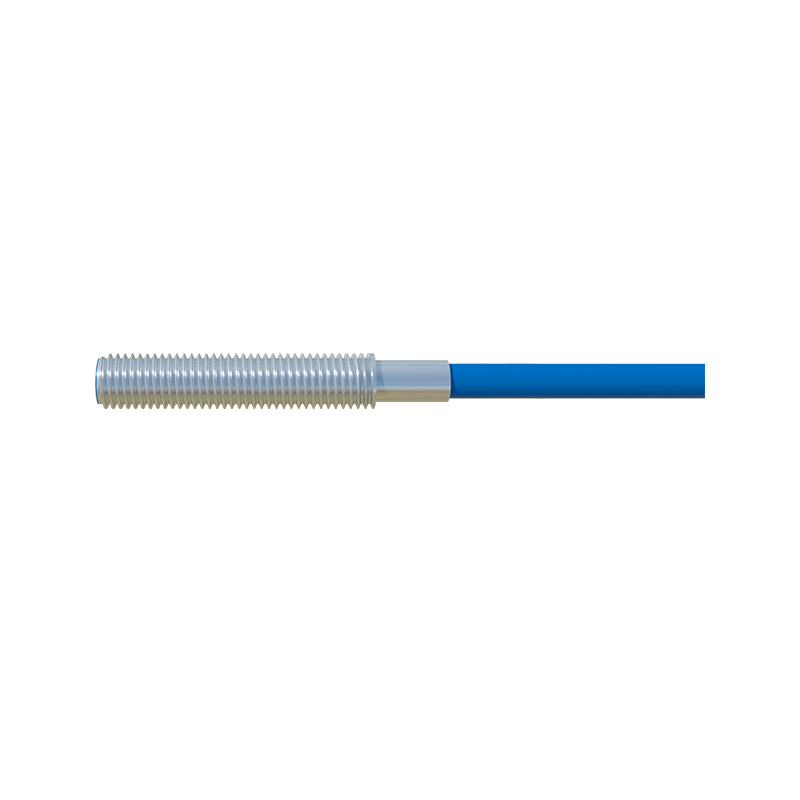
The effectiveness of square proximity sensors is most evident in their environmental resilience. The housing, often constructed from rugged materials like nickel-plated brass or stainless steel with high-quality PBT or PVC sensing faces, offers superior protection. Many models achieve ingress protection ratings of IP67, IP68, or IP69K, making them impervious to dust, water jets, high-pressure washdowns, and temporary immersion. This is crucial in harsh industries such as food and beverage processing, automotive manufacturing, and packaging, where sensors are routinely exposed to coolants, oils, cleaning agents, and particulate matter. The square design often provides more internal space for potting compounds, enhancing resistance to vibration and shock—a common cause of failure in demanding plant floors.
From a performance perspective, these sensors deliver high reliability and precision. Inductive square sensors, for instance, offer consistent detection ranges for ferrous and non-ferrous metals, with factors like temperature drift and supply voltage variations meticulously compensated for in their internal circuitry. Advanced models feature built-in diagnostics like LED status indicators (visible from multiple angles due to the flat housing design), short-circuit protection, and overload protection. This diagnostic capability is a cornerstone of predictive maintenance strategies, allowing technicians to identify potential issues before they lead to unplanned downtime. The switching frequency of modern square proximity sensors is sufficiently high for most high-speed automation tasks, including counting, positioning, and speed monitoring on conveyor systems.
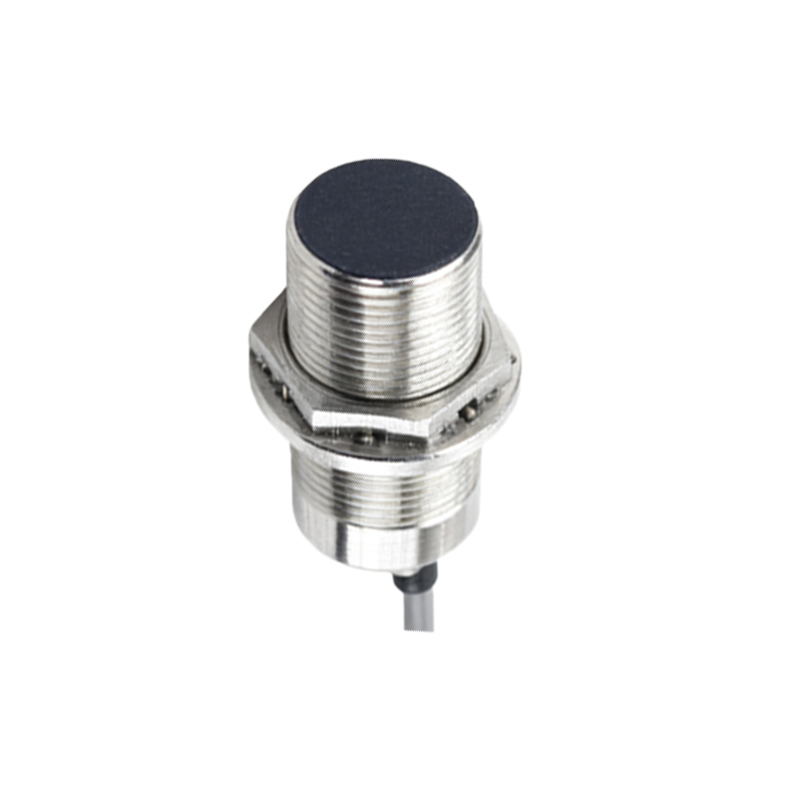
Application versatility further underscores their effectiveness. Their shape is inherently suitable for space-constrained installations where a cylindrical sensor might protrude unnecessarily or be difficult to mount securely. They are extensively used in material handling for pallet detection, in robotics for end-effector positioning, in machine tools for tool breakage detection, and in assembly lines for part verification. The availability of various output types (PNP/NPN, NO/NC, analog, and IO-Link) and connection methods (pre-wired cables or quick-disconnect connectors) ensures compatibility with virtually any control system, from traditional PLCs to advanced Industrial IoT networks.
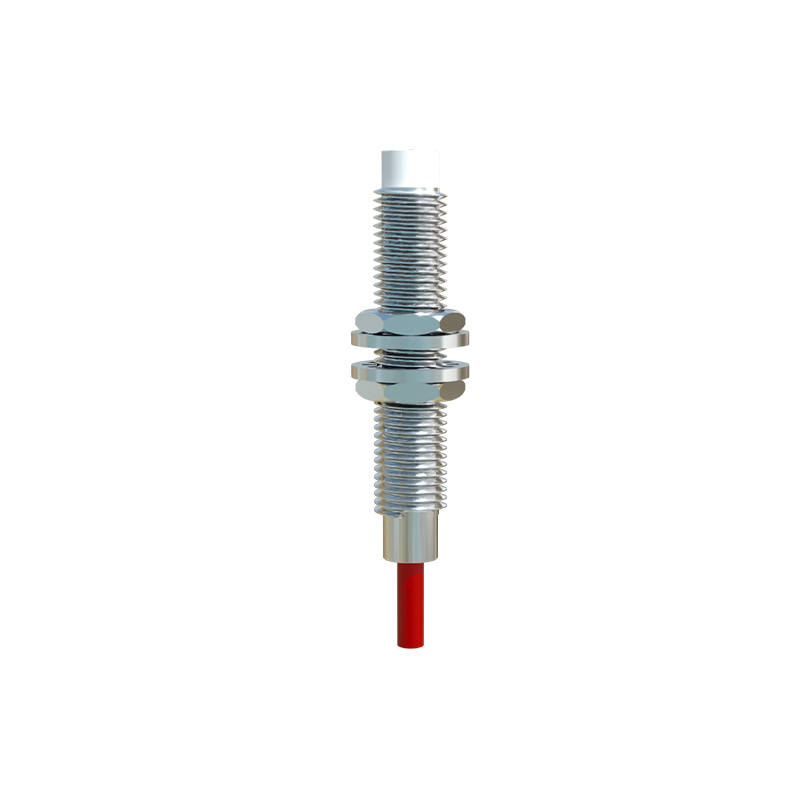
However, their effectiveness is not absolute for every scenario. In applications requiring extremely long sensing ranges, specialized cylindrical sensors or photoelectric sensors might be superior. The choice between a square and cylindrical sensor often boils down to the specific mechanical mounting constraints, environmental conditions, and the required sensing field geometry. For the vast majority of standard industrial automation tasks—where robust construction, easy installation, reliable performance, and environmental sealing are paramount—the square proximity sensor proves to be an exceptionally effective and dependable solution. Its design is a testament to form following function, providing a optimal balance of durability, utility, and integration ease that continues to make it a preferred choice for engineers worldwide.