In the realm of industrial safety and environmental monitoring, the precise detection of methane gas is paramount. Methane (CH₄), a primary component of natural gas, is not only a potent greenhouse gas but also a significant explosion hazard in confined spaces. Traditional detection methods, such as catalytic bead sensors or electrochemical cells, have served industries for decades. However, the advent of laser-based sensors, particularly those utilizing Tunable Diode Laser Absorption Spectroscopy (TDLAS), represents a paradigm shift towards higher accuracy, selectivity, and reliability.
The core principle of a methane laser sensor is grounded in infrared absorption spectroscopy. Methane molecules exhibit specific, strong absorption lines in the near-infrared (NIR) and mid-infrared (MIR) regions of the electromagnetic spectrum. A TDLAS sensor employs a tunable semiconductor laser diode whose wavelength can be precisely scanned over one of these characteristic absorption lines. As the laser beam passes through a gas sample containing methane, the molecules absorb light at their specific resonant wavelength. The degree of attenuation of the laser beam is directly proportional to the concentration of methane present along the optical path, according to the Beer-Lambert law. This method is highly selective because it targets a unique "fingerprint" of methane, making it largely immune to interference from other gases commonly found in industrial settings.
The advantages of laser methane sensors over conventional technologies are substantial. Firstly, they offer exceptional selectivity and sensitivity, capable of detecting methane concentrations from percent levels down to parts-per-million (ppm) or even parts-per-billion (ppb) ranges. This is critical for both leak detection and environmental compliance monitoring. Secondly, they provide a fast response time, enabling real-time monitoring and rapid alarm triggering. Unlike catalytic sensors, laser-based sensors do not consume the target gas and are not susceptible to "poisoning" by silicones, lead, or other contaminants, leading to significantly lower maintenance requirements and longer operational lifespans. Furthermore, they can be configured for in-situ measurement without requiring frequent calibration, and certain open-path variants can monitor average concentrations over distances of hundreds of meters, ideal for perimeter monitoring of large facilities like LNG terminals, landfills, or well pads.
Industrial applications for methane laser sensors are diverse and critical. In the oil and gas sector, they are deployed for upstream leak detection at wellheads, pipelines, and compressor stations, as well as for process control and flare monitoring downstream. In coal mining, they are essential for monitoring methane levels in underground mines to prevent catastrophic explosions. Waste management facilities utilize them to monitor methane emissions from landfills for safety and regulatory reporting. Additionally, they play a growing role in the emerging hydrogen economy, where they can be tuned to detect potential methane impurities in hydrogen streams.
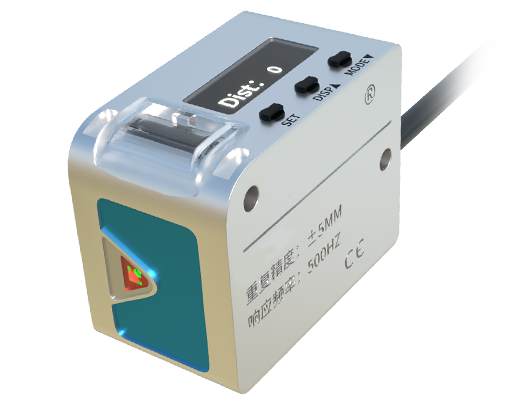
The future of methane laser sensing is geared towards miniaturization, integration, and enhanced connectivity. The development of smaller, lower-cost laser diodes and photonic integrated circuits is paving the way for compact, handheld detectors and widespread deployment via drones or autonomous robots for large-area surveys. Integration with the Industrial Internet of Things (IIoT) allows sensors to transmit data wirelessly to central dashboards, enabling predictive analytics and smarter safety management systems. Research is also ongoing into using broader-spectrum lasers or frequency combs to simultaneously monitor methane alongside other gases like carbon dioxide, water vapor, and ethane, providing a more comprehensive environmental picture.
In conclusion, methane concentration laser sensors, built on the robust foundation of TDLAS technology, have established themselves as a superior solution for modern industrial gas detection. Their unparalleled combination of accuracy, speed, durability, and flexibility addresses the evolving demands of safety, environmental stewardship, and operational efficiency across multiple industries. As technology continues to advance, these sensors will become even more accessible and intelligent, solidifying their role as indispensable guardians of industrial safety and environmental integrity.
