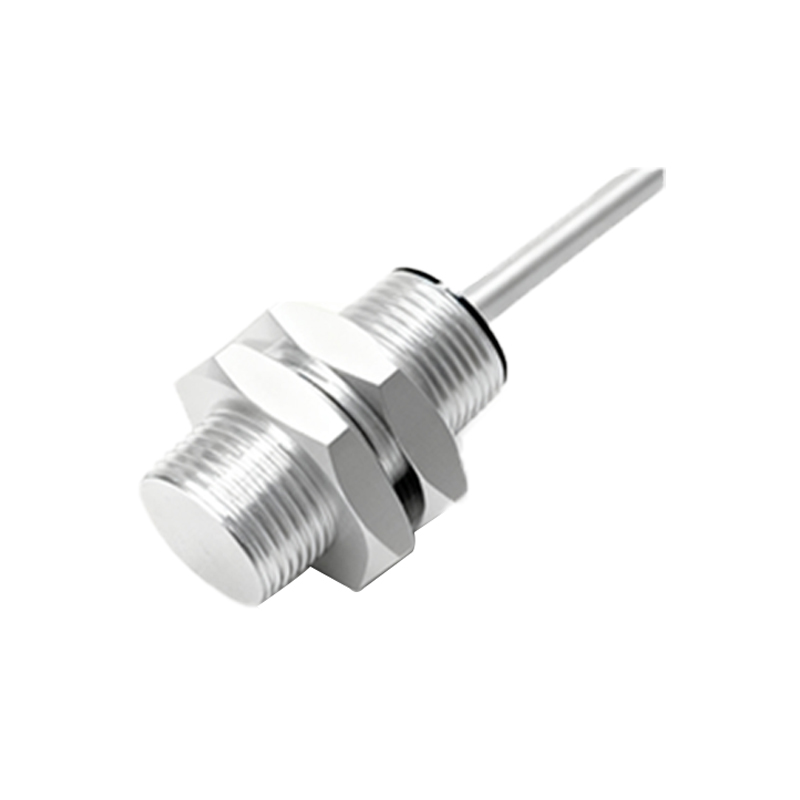
In the realm of modern electronics and industrial automation, the phase sensor stands as a critical component for monitoring and controlling the timing relationship between periodic signals. Its function extends far beyond simple detection, playing a pivotal role in ensuring system stability, efficiency, and precision across a diverse range of applications.
At its core, a phase sensor measures the phase difference between two waveforms of the same frequency. This phase difference, typically measured in degrees or radians, represents a time shift between the signals. The fundamental operating principle often involves comparing the zero-crossing points of two sinusoidal waves. When one signal leads or lags another, the sensor generates an output voltage or digital signal proportional to this angular displacement. More advanced designs utilize techniques like quadrature detection or phase-locked loop (PLL) circuits to achieve higher accuracy and stability, especially in noisy environments. The output can be an analog voltage, a pulse-width modulated (PWM) signal, or a direct digital readout, depending on the sensor type and interface.
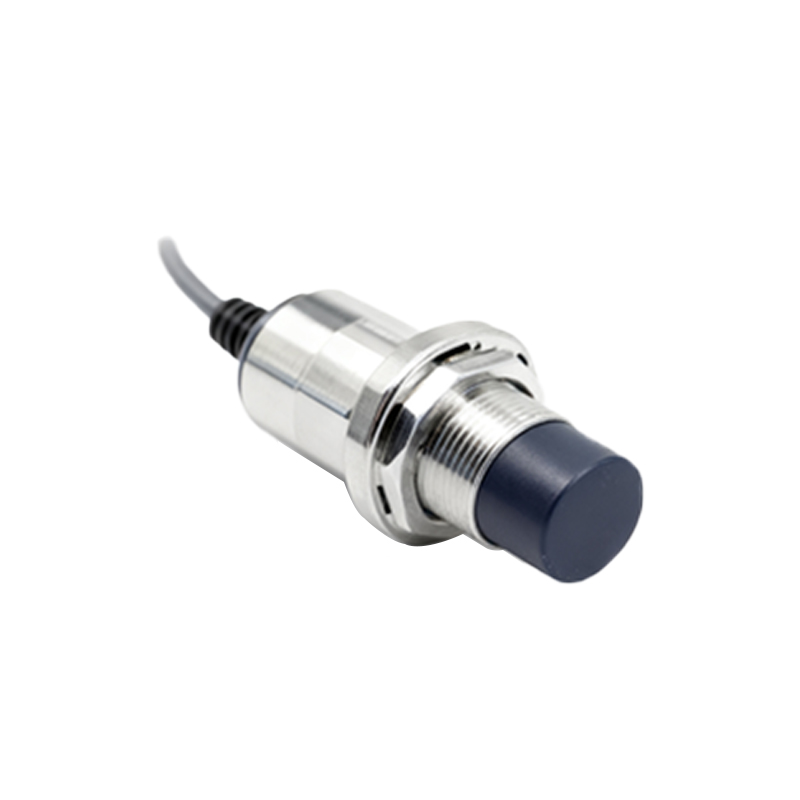
The applications of phase sensors are vast and integral to numerous technologies. In power systems and motor control, they are indispensable for synchronizing generators to the grid, preventing dangerous out-of-phase connections. They also enable precise vector control in AC motor drives, optimizing torque and efficiency. Within communication systems, phase sensors are the backbone of modems and RF equipment, responsible for demodulating signals in phase-shift keying (PSK) schemes. Furthermore, they find critical use in instrumentation and measurement, such as in impedance analyzers and network analyzers, where characterizing the phase response of a component is as important as measuring its magnitude. Vibration analysis, structural health monitoring, and even medical imaging equipment like MRI scanners rely on precise phase measurements to construct accurate data.
Selecting the appropriate phase sensor requires careful consideration of several key parameters. The operating frequency range is paramount; a sensor designed for audio frequencies will not function in a microwave circuit. Dynamic range and linearity determine the accuracy over the expected span of phase shifts. Sensitivity, often expressed in millivolts per degree, indicates how much the output changes for a given phase shift. Response time is crucial for high-speed control loops, while immunity to amplitude variations of the input signals is essential for robust performance. Environmental factors like temperature stability, vibration, and electromagnetic interference (EMI) must also be evaluated based on the installation environment. Engineers must balance these specifications against constraints of cost, power consumption, and physical size.
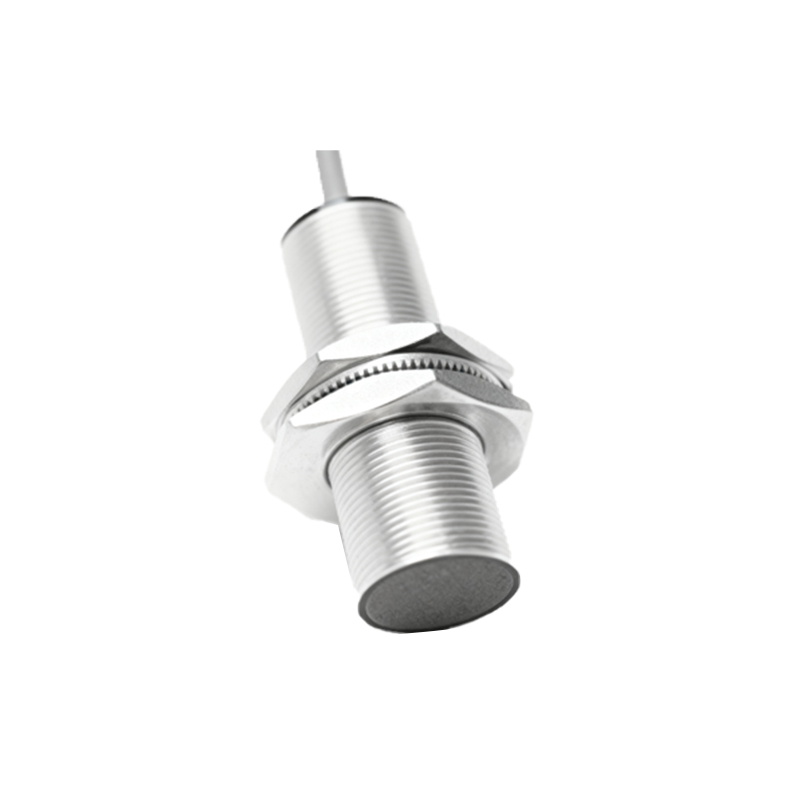
Modern advancements continue to push the boundaries of phase sensing technology. Integrated circuit solutions have dramatically reduced size and cost while improving reliability. Digital signal processing (DSP) techniques allow for software-defined phase measurement with exceptional flexibility. The integration of phase sensors into larger System-on-Chip (SoC) designs and the advent of smart sensors with built-in diagnostics and digital communication interfaces (like I2C or SPI) are simplifying system integration and enabling predictive maintenance.
In conclusion, the phase sensor is a fundamental enabling technology that operates quietly behind the scenes. From ensuring the reliable delivery of electricity to enabling high-speed data transmission and precise mechanical control, its role is ubiquitous. Understanding its principles, applications, and selection criteria is essential for engineers and technicians designing systems where timing, synchronization, and phase relationships are critical to performance and safety. As systems become more complex and integrated, the demand for accurate, robust, and intelligent phase sensing solutions will only continue to grow.