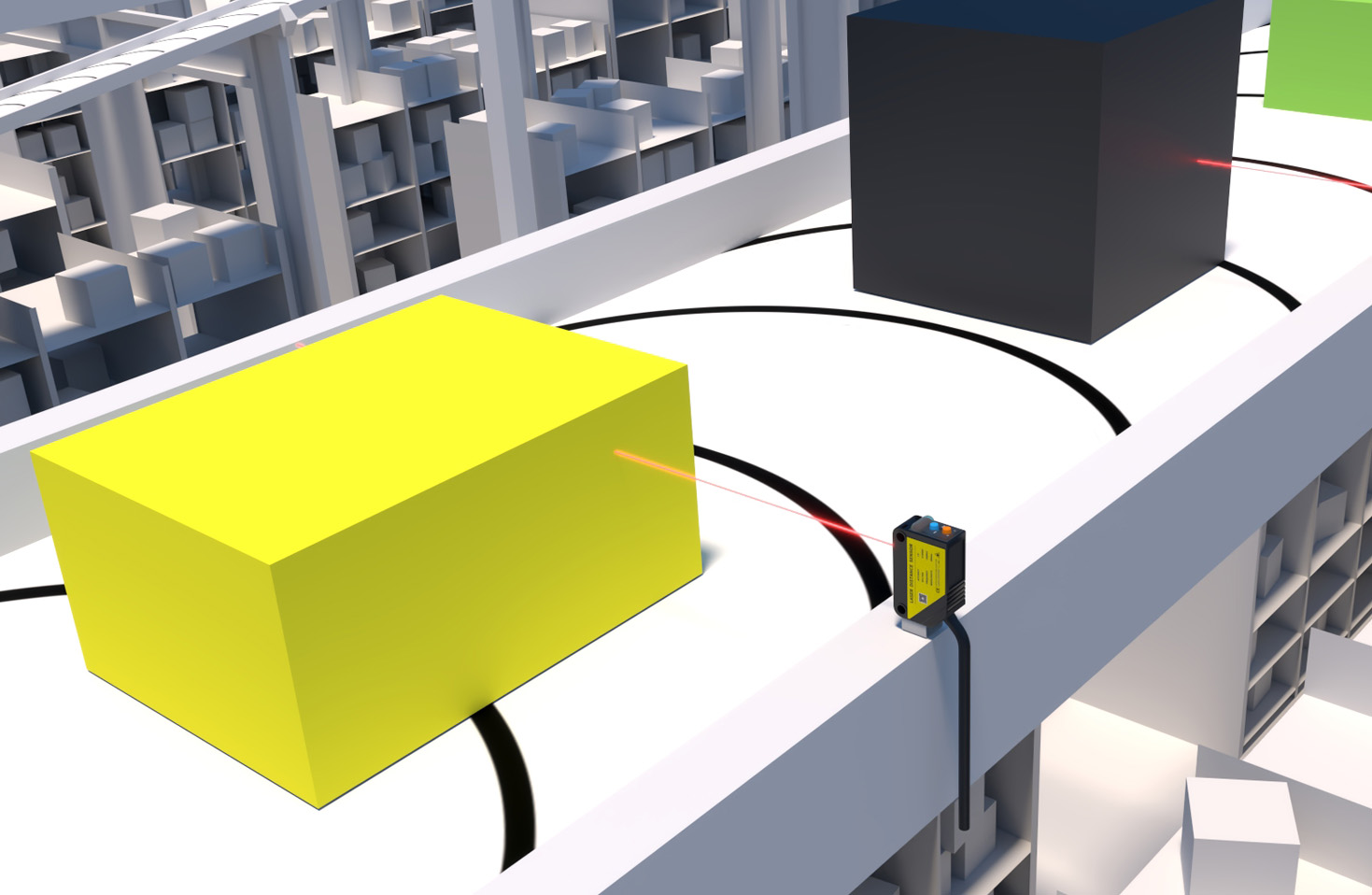
In the rapidly evolving landscape of industrial automation and precision engineering, Lucheng laser distance sensors have emerged as a cornerstone technology for accurate, non-contact measurement. These sensors utilize advanced laser triangulation or time-of-flight (ToF) principles to deliver high-resolution distance data, enabling real-time monitoring and control in diverse applications. The core advantage lies in their ability to measure with micron-level precision over varying distances, from a few millimeters to several hundred meters, depending on the model and configuration.
The operational principle of a Lucheng laser sensor typically involves emitting a focused laser beam toward a target surface. The reflected light is captured by a sensitive receiver, such as a CCD or CMOS array. By analyzing the position or phase shift of the reflected beam, the sensor's internal processor calculates the exact distance to the target. This method ensures immunity to electromagnetic interference and minimal impact from ambient light, making it suitable for harsh industrial environments like manufacturing floors, construction sites, and logistics hubs.
Key features of Lucheng laser distance sensors include high sampling rates, often exceeding 10 kHz, which allows for dynamic measurement of moving objects. They boast robust housings rated at IP67 or higher, providing resistance to dust, moisture, and mechanical shocks. Additionally, integrated interfaces such as analog outputs (4-20 mA, 0-10 V), digital communication protocols (RS-232, RS-485, Ethernet/IP, PROFINET), and programmable logic controller (PLC) compatibility facilitate seamless integration into existing automation systems.
Applications span across multiple sectors. In automotive assembly, these sensors verify part dimensions and align components with sub-millimeter accuracy. In warehouse automation, they monitor inventory levels by measuring stack heights and guiding robotic arms for precise picking and placement. The construction industry leverages them for surveying, leveling, and monitoring structural deformations. Furthermore, in agricultural machinery, Lucheng sensors assist in controlling implement height and optimizing seed placement depth.

When selecting a Lucheng laser distance sensor, engineers must consider parameters like measurement range, resolution, linearity error, and response time. Environmental factors such as target surface properties (color, reflectivity), temperature fluctuations, and potential obstructions also influence performance. Regular calibration and maintenance, including lens cleaning and firmware updates, are recommended to sustain long-term accuracy.
The future trajectory for Lucheng and similar laser sensors points toward enhanced miniaturization, lower power consumption, and smarter functionalities. Integration with Industrial Internet of Things (IIoT) platforms enables predictive maintenance and data analytics, transforming raw distance measurements into actionable insights. As industries increasingly prioritize efficiency and quality control, Lucheng laser distance sensors will continue to play a pivotal role in driving innovation and operational excellence.