Proximity sensors are indispensable components in modern mining operations, providing critical detection and measurement capabilities in harsh and demanding environments. These sensors enhance safety, optimize automation, and improve operational efficiency by detecting the presence or absence of objects without physical contact. In the mining industry, where conditions involve extreme dust, moisture, vibration, and potential explosive atmospheres, specialized proximity sensors are engineered to meet rigorous standards. This article explores the primary types of proximity sensors utilized in mining applications, detailing their operating principles, key features, and typical use cases.
1. Inductive Proximity Sensors
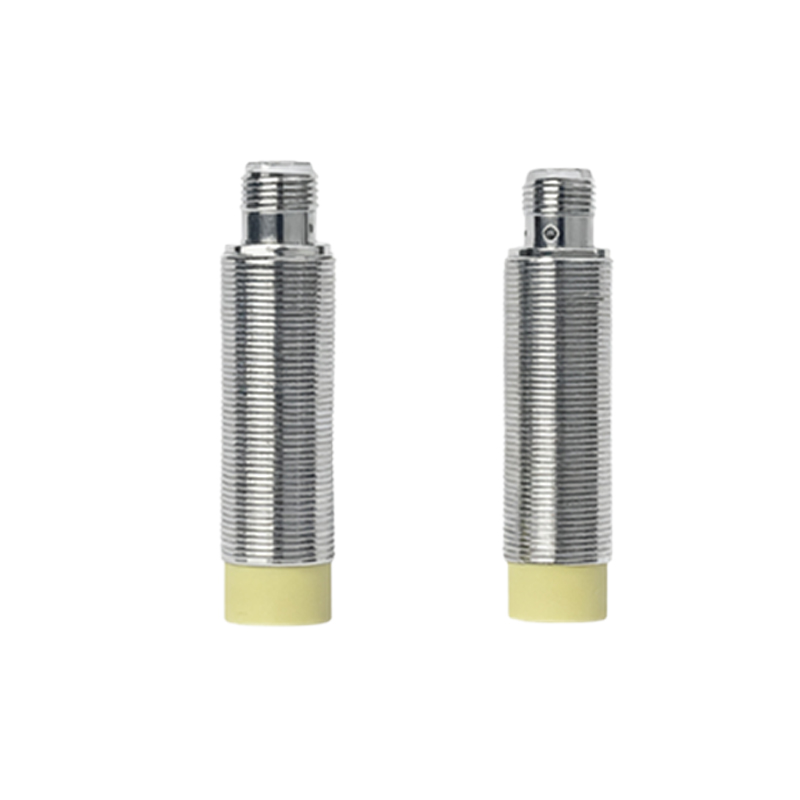
Inductive proximity sensors are among the most common types used in mining, particularly for detecting metallic objects. They operate on the principle of electromagnetic induction. The sensor generates an oscillating electromagnetic field from its coil. When a ferrous or non-ferrous metal target enters this field, it induces eddy currents, causing a change in the oscillation amplitude. This change is detected by the sensor's circuitry, triggering an output signal.
In mining, inductive sensors are prized for their robustness. They are typically housed in rugged, sealed enclosures (often rated IP67, IP68, or IP69K) to withstand dust, mud, and high-pressure washdowns. Common applications include:
- Position Sensing: Detecting the position of buckets, shovels, or conveyor components on excavators and loaders.
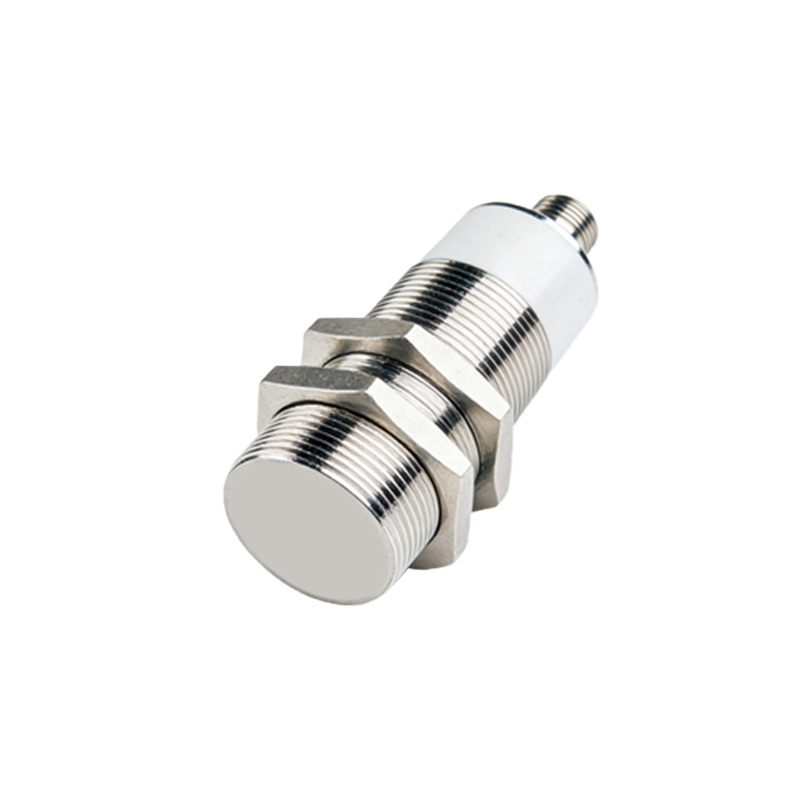
- Limit Switching: Serving as non-contact limit switches on drilling rigs or roof bolters to prevent over-travel.
- Speed Monitoring: Counting gear teeth or detecting rotor blades to monitor the speed of crushers, fans, or conveyor drives.
Their main limitation is that they only detect metals, but this is often an advantage in metallic machinery-dense mining environments, as they are immune to non-metallic debris like coal dust or rock chips.
2. Capacitive Proximity Sensors
Capacitive proximity sensors can detect both metallic and non-metallic materials, including liquids, powders, and granular solids. They function by measuring changes in capacitance. The sensor's active face and the detected object form two plates of a capacitor. As an object approaches, it alters the dielectric constant of the space, changing the capacitance and triggering the output.
This versatility makes them highly valuable in mining for material level detection and process control. Key applications include:
- Level Detection: Monitoring the level of bulk solids (like ore, coal, or limestone) in silos, bins, or hoppers.
- Liquid Interface Detection: Differentiating between layers of slurry or detecting the presence of water in sumps.
- Presence Detection: Sensing non-metallic materials on conveyor belts, such as detecting rock or coal lumps.
These sensors often feature sensitivity adjustments to ignore unwanted backgrounds (like bin walls) and focus on the target material. Their enclosures are similarly ruggedized for mining conditions.
3. Ultrasonic Proximity Sensors
Ultrasonic sensors operate by emitting high-frequency sound waves and measuring the time taken for the echo to return from a target object. They are effective for longer-range detection and can work with virtually any material that reflects sound.
In mining, their ability to function reliably in dusty or foggy atmospheres—where optical sensors might fail—is a significant advantage. Typical uses include:
- Distance Measurement: Precisely measuring the fill level in large, open-top bins or stockpiles.
- Collision Avoidance: Providing object detection for autonomous or remotely operated vehicles (LHDs, haul trucks) in underground mines.
- Conveyor Belt Profiling: Monitoring the volume or profile of material on a conveyor belt.
Advanced models feature temperature compensation to maintain accuracy despite ambient temperature fluctuations common in mines.
4. Photoelectric (Optical) Proximity Sensors
Photoelectric sensors use a light beam (usually infrared, visible red, or laser) to detect objects. They come in several configurations: through-beam (separate emitter and receiver), retro-reflective (with a reflector), and diffuse (reflective), where the sensor and target are on the same side.
While dust and dirt can challenge optical sensors, modern designs with high-power LEDs, robust housings, and dirt-defying optics are employed in controlled or less severe mining areas. Applications include:
- Object Counting: Counting coal cars or ore carts on rails.
- Breakage Detection: Sensing the break or slippage of a conveyor belt.
- Position Verification: Ensuring a crusher's feed chute is correctly aligned or a door is securely closed on a vehicle.
Laser-based versions offer high precision for alignment tasks on long-wall shearers or tunneling equipment.
5. Magnetic Proximity Sensors (Reed Switches/Hall Effect)
Magnetic sensors detect the presence of a