In the vast and intricate world of industrial automation and control systems, proximity sensors stand as fundamental components. However, professionals across different sectors and regions often encounter these devices under various names. This article delves into the alternative terminologies for proximity sensors, clarifying the nomenclature used within the electrical and automation engineering fields.
The most common and technically precise name is, indeed, the Proximity Sensor. This term broadly defines a device that detects the presence or absence of an object within a specified range without any physical contact. The core principle involves emitting an electromagnetic field or a beam of radiation and looking for changes in the field or return signal. The target object is often referred to as the "actuator."
A widely used alternative name is Proximity Switch. This terminology is deeply rooted in industrial control parlance. Engineers and technicians frequently use "switch" because the sensor's primary function is to switch an electrical circuit on or off based on the detection event. It acts as a solid-state switching device. In control cabinet diagrams and ladder logic (e.g., PLC programming), you will almost exclusively see them denoted as switches (e.g., "Prox Switch" for a capacitive sensor on a tank). This name emphasizes the output function rather than the sensing technology.
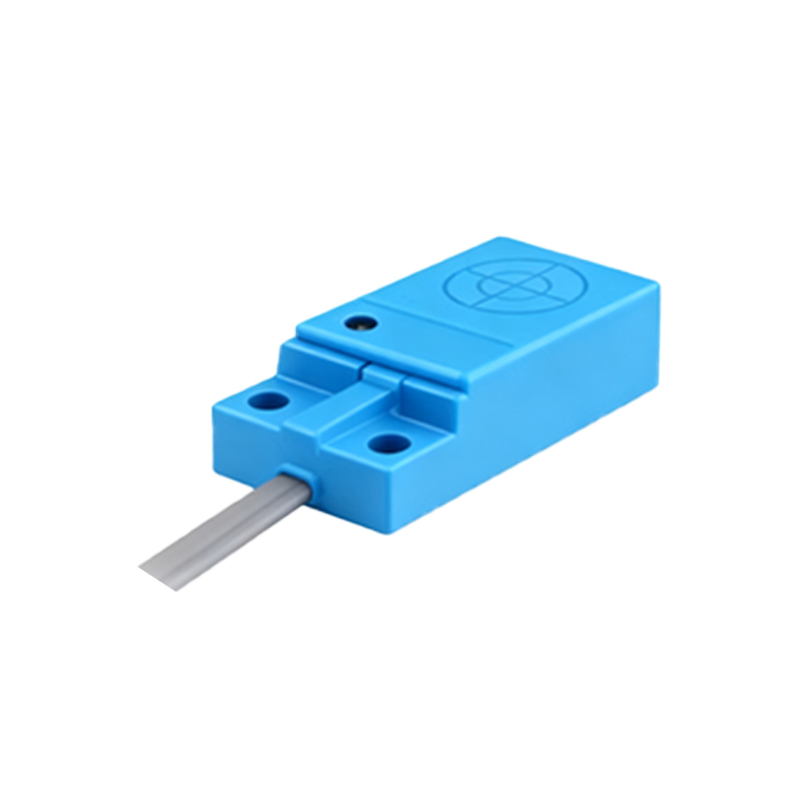
Another prevalent term is Non-Contact Sensor. This is a more generic, umbrella category that includes proximity sensors. It highlights the key distinguishing feature from mechanical limit switches: the absence of physical contact. Other devices like ultrasonic sensors or laser distance sensors also fall under this broad category. Therefore, while all proximity sensors are non-contact sensors, not all non-contact sensors are proximity sensors (which typically have a shorter, fixed sensing range).
Depending on the specific technology they employ, proximity sensors are often named more precisely:
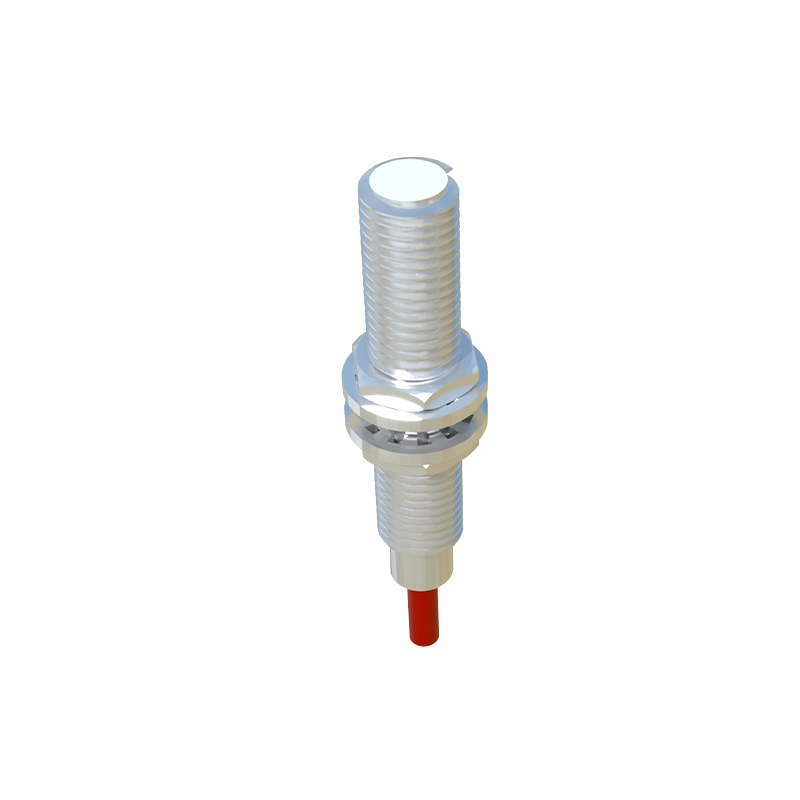
Inductive Proximity Sensor/Switch: These detect metallic objects (primarily ferrous metals like steel and iron, but some can sense non-ferrous metals). They are sometimes colloquially called "Metal Detectors" in simple material handling contexts, though this can cause confusion with security or treasure-hunting equipment. In heavy industry, they are simply called "Inductive Sensors."
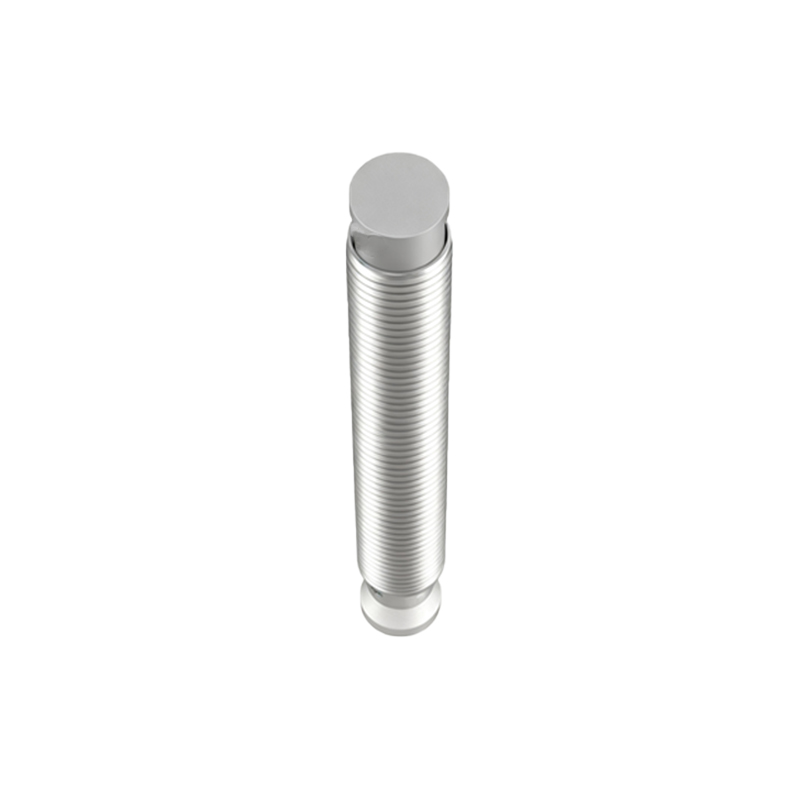
Capacitive Proximity Sensor/Switch: These can detect both metallic and non-metallic materials (liquids, plastics, wood, granules). They are often specified as "Capacitive Sensors" especially in packaging, food processing, or chemical industries where detecting non-metals is crucial.
Magnetic Proximity Sensor/Switch: These detect permanent magnets. They are commonly known as "Reed Switches" (for the glass-tube type) or "Hall Effect Sensors." The term "Magnetic Pickup" is also used, particularly in automotive and rotational speed sensing applications.
Photoelectric Sensor: While sometimes grouped separately, photoelectric sensors (through-beam, retro-reflective, diffuse) perform non-contact proximity detection using light. They are frequently called "Photo Eyes," "Optical Sensors," or "Light Barriers."
Regional and industry-specific jargon also plays a role. In some European documentation, you might find the term "Approach Sensor." In automotive manufacturing lines, a generic "prox" (pronounced "procks") is common shorthand. In material handling and logistics, "Object Detection Sensor" is a functional descriptor. For sensors that provide analog output proportional to distance, rather than just a switch signal, the term "Distance Sensor" or "Displacement Sensor" is more accurate, though these are technically a subset of proximity sensors.
Understanding these names is critical for effective specification, procurement, and troubleshooting. A maintenance technician looking for a replacement might search for a "capacitive proximity switch," while a design engineer might specify an "inductive non-contact sensor" on a bill of materials. PLC programmers will reference the "prox switch" input address.
In summary, the humble proximity sensor wears many hats. Whether you call it a proximity switch, a non-contact sensor, or a more technology-specific name like an inductive sensor, the fundamental purpose remains: to provide a reliable, wear-free signal for automation control. Familiarity with this varied lexicon ensures clear communication and efficient operation in any industrial environment. Always cross-reference the technical specifications—sensing principle, sensing range, output type, and target material—to ensure you have the correct device, regardless of the name it is given.