In the realm of industrial automation, precision measurement is paramount. Among the various technologies enabling this, coaxial distance measurement laser sensors stand out for their exceptional accuracy, reliability, and versatility. Unlike traditional triangulation sensors, coaxial sensors emit a laser beam and receive its reflection along the same optical axis. This fundamental design principle eliminates the parallax error common in triangulation methods, making them ideal for applications involving highly reflective, transparent, or low-contrast surfaces.
The core operating principle of a coaxial laser sensor is based on laser triangulation, but with a critical coaxial twist. A laser diode projects a focused spot onto the target surface. The diffusely reflected light from this spot is then captured by a high-resolution CMOS or CCD array through the same main objective lens. A built-in beam splitter or a semi-transparent mirror within the sensor head separates the outgoing and incoming light paths. The position of the light spot on the receiver array shifts proportionally to the distance to the target. This shift is analyzed by sophisticated internal processors to calculate the exact distance with micron-level resolution. This coaxial optical path ensures that the measurement is largely independent of the target's surface inclination, color, or material, providing stable readings even on challenging surfaces like polished metal, glass, or glossy plastics.
The advantages of coaxial laser sensors are numerous. First and foremost is their high accuracy and resolution, often down to the sub-micron range, which is essential in semiconductor manufacturing, precision assembly, and quality inspection. Their insensitivity to surface characteristics allows for consistent performance across a diverse product line without the need for constant recalibration. Furthermore, the compact design of the sensor head facilitates integration into tight spaces on production lines or robotic arms. The robust housing typically offers high protection ratings (e.g., IP67), ensuring reliable operation in harsh industrial environments with dust, coolant, or vibrations.
Applications for coaxial distance measurement laser sensors are vast and growing. In the electronics industry, they are indispensable for measuring component heights, PCB warpage, and solder paste thickness. Automotive manufacturers rely on them for gap and flush measurement between body panels, brake disc thickness monitoring, and robotic guidance during assembly. In the field of precision machining, they verify part dimensions, control tool wear compensation, and ensure flatness. They also play a crucial role in 3D scanning and profiling systems, where their ability to handle complex surfaces is leveraged.
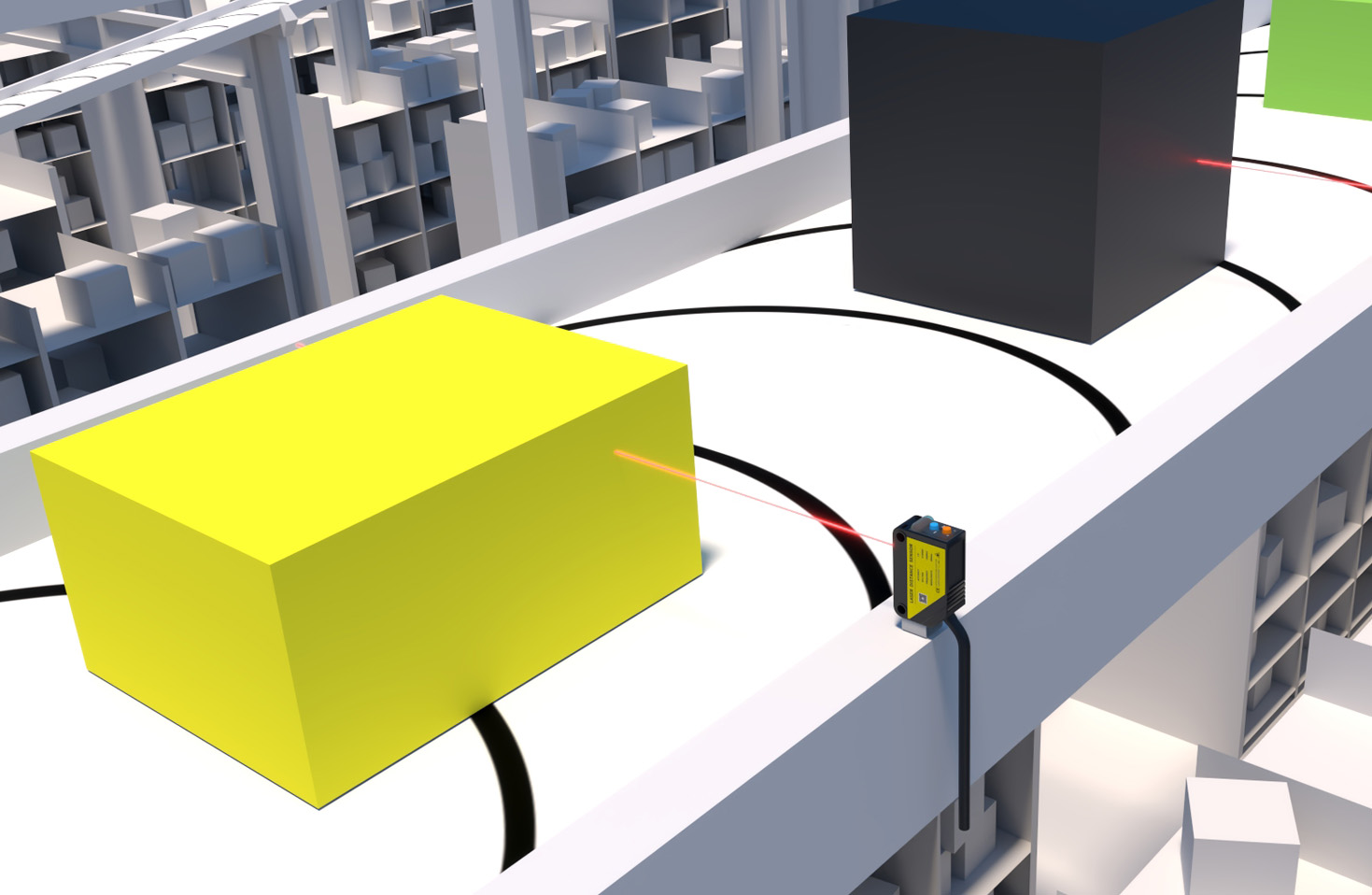
Selecting the right coaxial laser sensor requires careful consideration of several key parameters. The measuring range defines the minimum and maximum distances over which the sensor can operate accurately. Resolution indicates the smallest detectable distance change. Linearity error specifies the deviation from a perfectly straight line in the sensor's output over its entire range. The spot size is critical for measuring small features or edges. Response time, or measurement frequency, determines how fast the sensor can take readings, which is vital for high-speed production lines. Environmental factors such as ambient light immunity and operating temperature range must also align with the application conditions. Leading manufacturers offer models with different laser classes (typically Class 2), interface options (analog, digital, Ethernet), and software suites for configuration and data analysis.
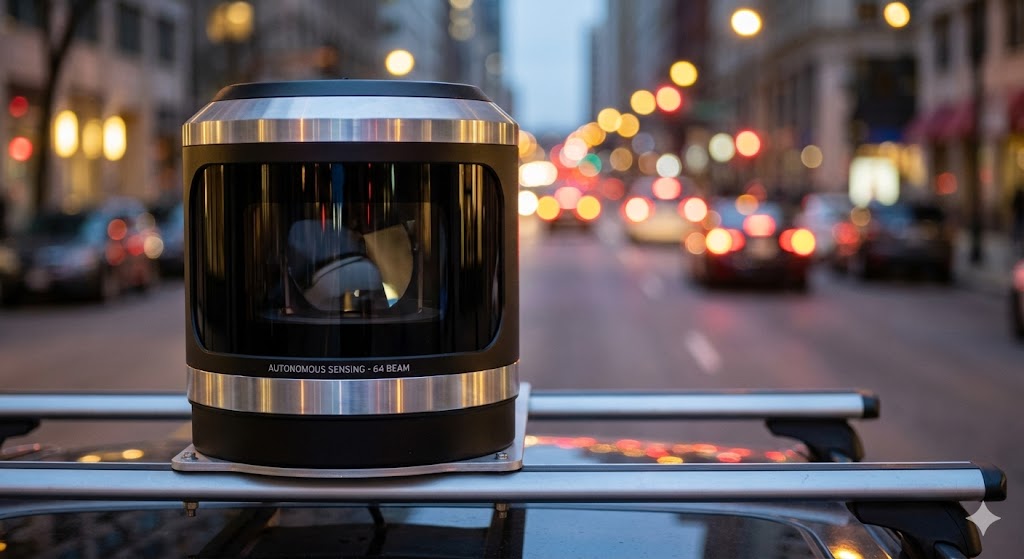
In conclusion, coaxial distance measurement laser sensors represent a sophisticated and powerful solution for non-contact metrology. Their unique optical design overcomes the limitations of conventional sensors, delivering unparalleled precision on the most demanding surfaces. As industries continue to push the boundaries of miniaturization and quality control, the role of these sensors will only become more central. Engineers and system integrators are encouraged to thoroughly evaluate their specific application needs against the sensor specifications to harness the full potential of this transformative technology.