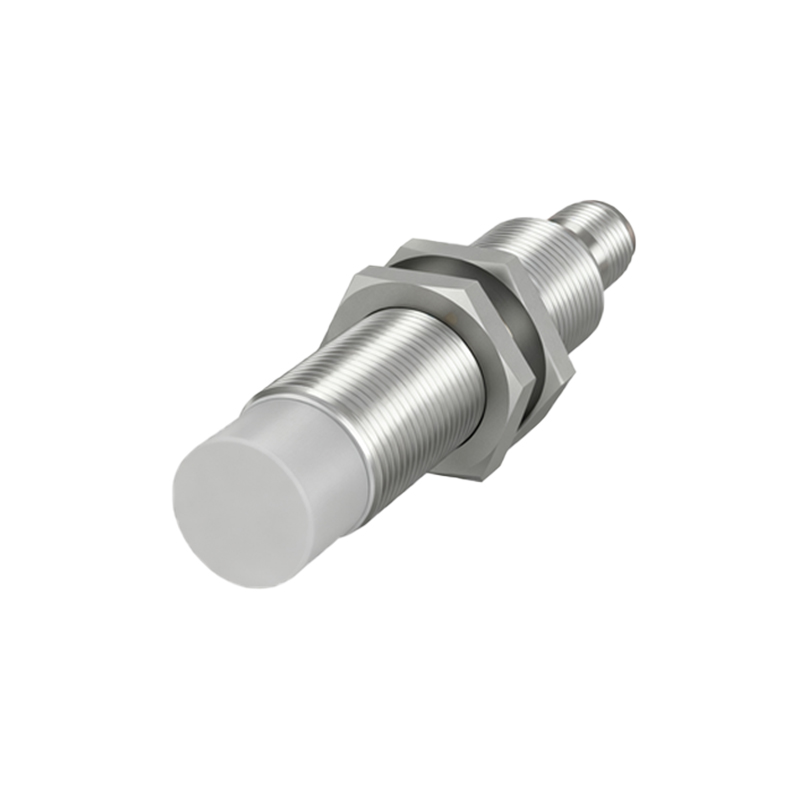
The global industrial automation landscape is witnessing a transformative phase, with proximity sensors emerging as a cornerstone technology. These non-contact detection devices, crucial for position sensing, object detection, and counting in myriad applications, are experiencing a sustained surge in annual demand. This growth trajectory is fundamentally driven by the relentless march of Industry 4.0, the expansion of the Internet of Things (IoT), and the increasing automation across diverse sectors.
Analyzing the annual demand requires a multi-faceted approach. Historically, the automotive manufacturing sector has been the largest consumer, utilizing inductive and capacitive proximity sensors extensively in assembly lines for part presence verification, robotic guidance, and quality control. The annual demand from this sector remains robust, fueled by the shift towards electric vehicles (EVs) and advanced driver-assistance systems (ADAS), which incorporate sophisticated sensing technologies. However, the growth rate is now being eclipsed by other burgeoning industries.
The electronics and semiconductor manufacturing industry represents a high-growth segment. The miniaturization of components and the need for ultra-precise, non-contact detection in cleanroom environments have skyrocketed the demand for high-performance, miniature proximity sensors. Annual procurement in this sector is characterized by a need for sensors with exceptional repeatability and resistance to environmental interference.
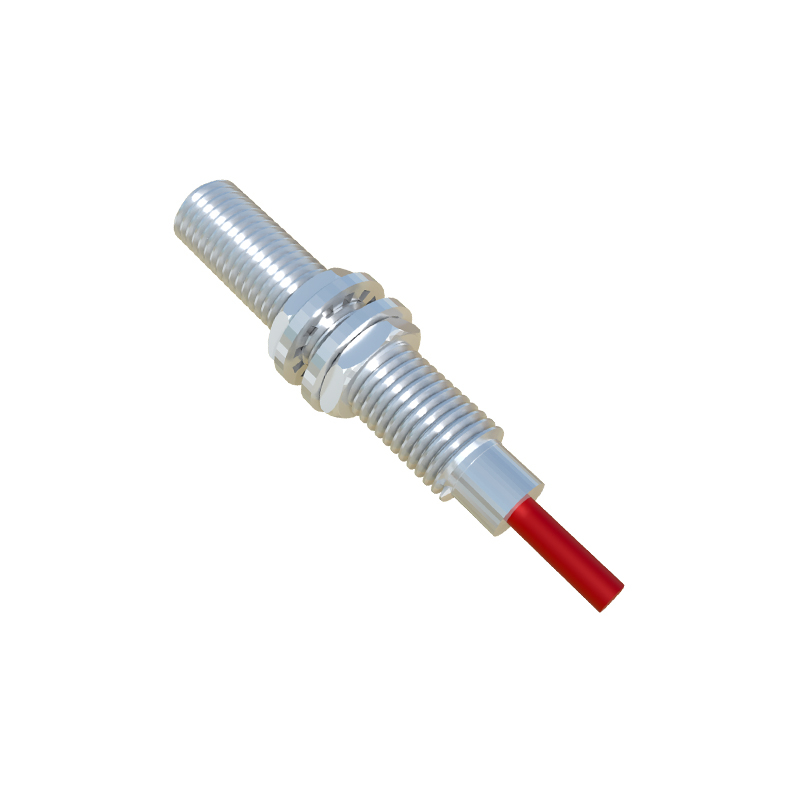
Furthermore, the logistics and packaging industry's automation wave is a significant demand driver. Warehouses and distribution centers deploying automated guided vehicles (AGVs), robotic pick-and-place systems, and smart conveyor networks rely heavily on proximity sensors for navigation, pallet detection, and inventory management. This sector's annual demand is projected to exhibit a compound annual growth rate (CAGR) significantly above the market average over the next five years.
Another critical factor influencing annual volume is the technological evolution within the sensor category itself. The rise of IO-Link enabled smart sensors is reshaping demand patterns. These sensors offer not just detection but also diagnostic data, parameterization, and easier integration into Industrial IoT (IIoT) frameworks. Consequently, annual demand is gradually shifting from standard models towards these intelligent variants, adding value but also influencing pricing and supply chain dynamics.
Geographically, the Asia-Pacific region, led by China, Japan, and South Korea, accounts for the largest share of annual demand, supported by its massive manufacturing base. North America and Europe follow, with demand strongly tied to advanced manufacturing and automotive industries. Emerging economies are also contributing to demand growth as they invest in industrial modernization.
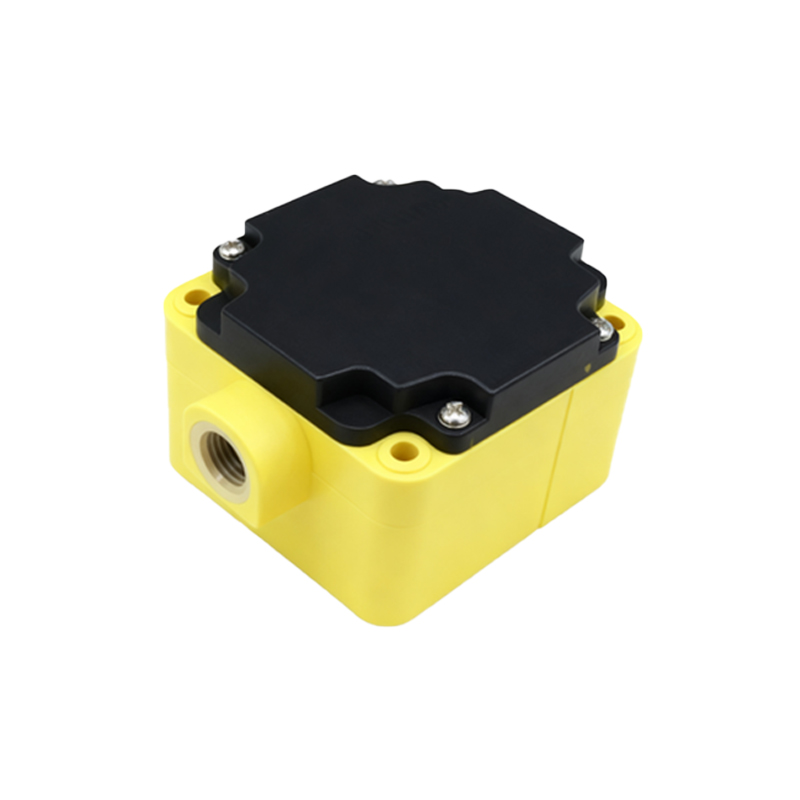
Market analysts consistently project the global proximity sensor market to maintain a healthy CAGR of approximately 6-8% over the coming decade. This translates into a substantial annual increase in unit shipments and market value. Key challenges that could modulate demand include global supply chain volatility for raw materials (like semiconductors within the sensors themselves) and economic cycles that affect capital expenditure in manufacturing. However, the underlying trends of automation, digitalization, and smart manufacturing provide a strong, long-term bullish outlook for annual proximity sensor demand.
In conclusion, the annual demand for proximity sensors is not a static figure but a dynamic indicator of industrial health and technological adoption. It is propelled by core industries modernizing their operations and new applications continuously emerging. For OEMs, system integrators, and end-users, understanding these demand drivers is essential for strategic planning, inventory management, and technological roadmap development. The future points towards smarter, more connected, and more specialized proximity sensors, with their annual demand serving as a key metric for the pace of the Fourth Industrial Revolution.