Infrared proximity sensors have become indispensable components in modern automation, robotics, and consumer electronics. These devices detect the presence or absence of objects within a specified range without physical contact, utilizing infrared light to measure distance or motion. As demand for smart technology grows, manufacturers of infrared proximity sensors are continuously advancing their designs to meet diverse industrial needs.
The core technology behind infrared proximity sensors involves emitting infrared radiation through an LED and capturing the reflected signal via a photodetector. The intensity or time-of-flight of the returned signal is analyzed to determine proximity. Key advantages include high accuracy, low power consumption, and immunity to ambient light interference when properly calibrated. Leading manufacturers focus on enhancing these attributes, developing sensors with improved resolution, faster response times, and compact form factors.
In the industrial sector, infrared proximity sensors are widely used for object detection in assembly lines, packaging machinery, and safety systems. For instance, they can halt equipment when a worker enters a hazardous zone, preventing accidents. Automotive applications include parking assistance systems and occupant detection for airbag deployment. Consumer electronics, such as smartphones and tablets, integrate these sensors to disable touchscreens during calls, conserving battery life.
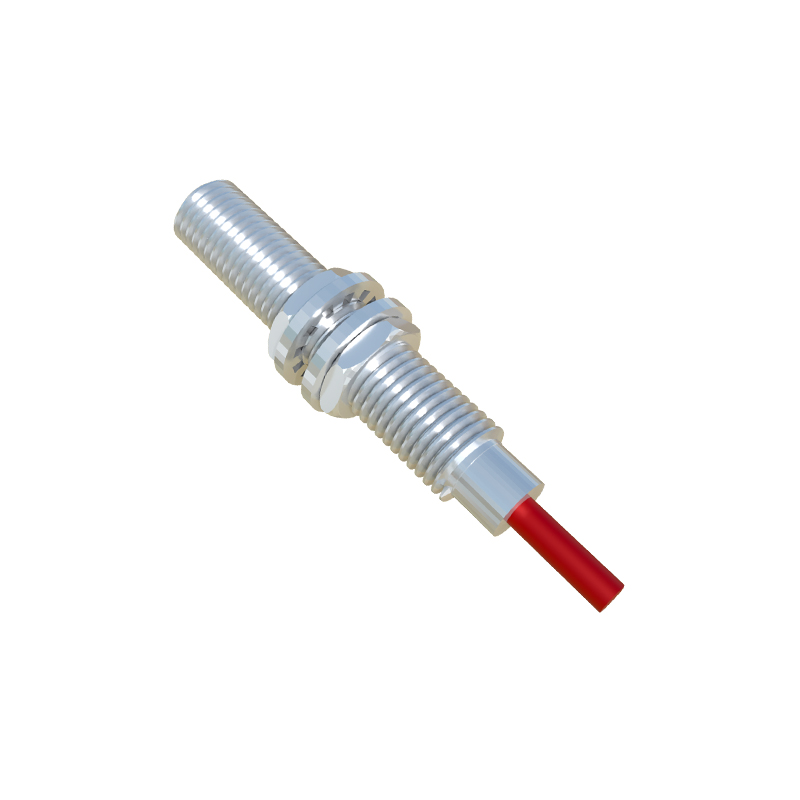
Manufacturers differentiate themselves through innovation in materials and circuitry. Some employ advanced algorithms for signal processing, reducing false triggers in complex environments. Others incorporate dual-emitter designs to enhance detection reliability. Environmental durability is also a priority; many industrial-grade sensors are built to withstand extreme temperatures, moisture, and vibrations.
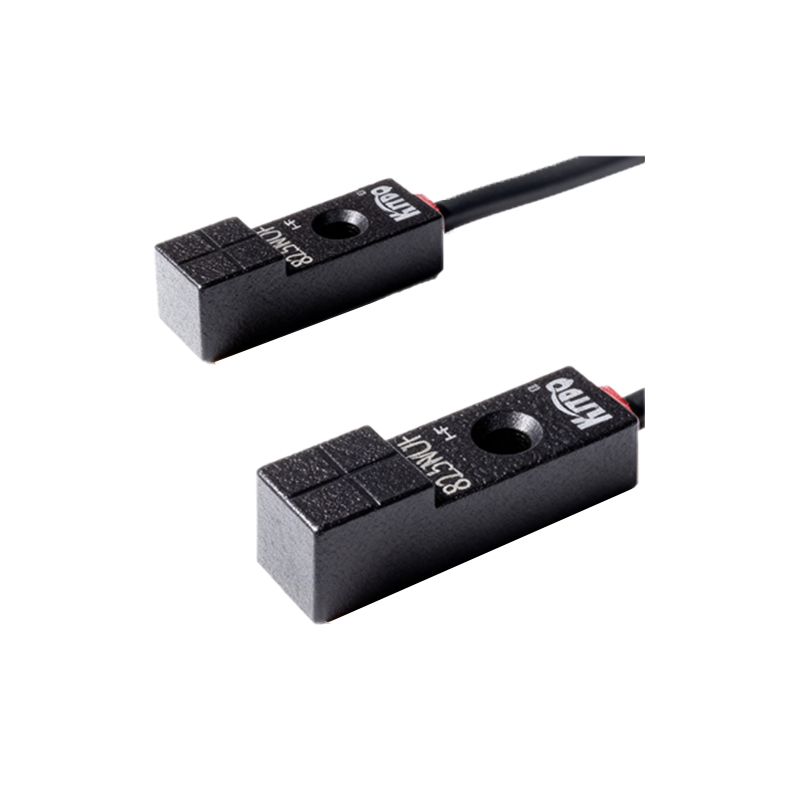
The supply chain for infrared proximity sensors involves specialized component suppliers, including semiconductor foundries for IR LEDs and photodiodes. Manufacturers often collaborate with clients to customize sensors for specific applications, such as medical devices or agricultural automation. Quality control is rigorous, with testing for consistency across batches to ensure compliance with international standards like ISO and IEC.
Emerging trends include the integration of infrared proximity sensors with IoT platforms, enabling real-time monitoring and data analytics. Miniaturization continues, allowing embedding in wearable devices and smart home gadgets. Additionally, energy-efficient designs support sustainable technology initiatives, aligning with global green manufacturing goals.
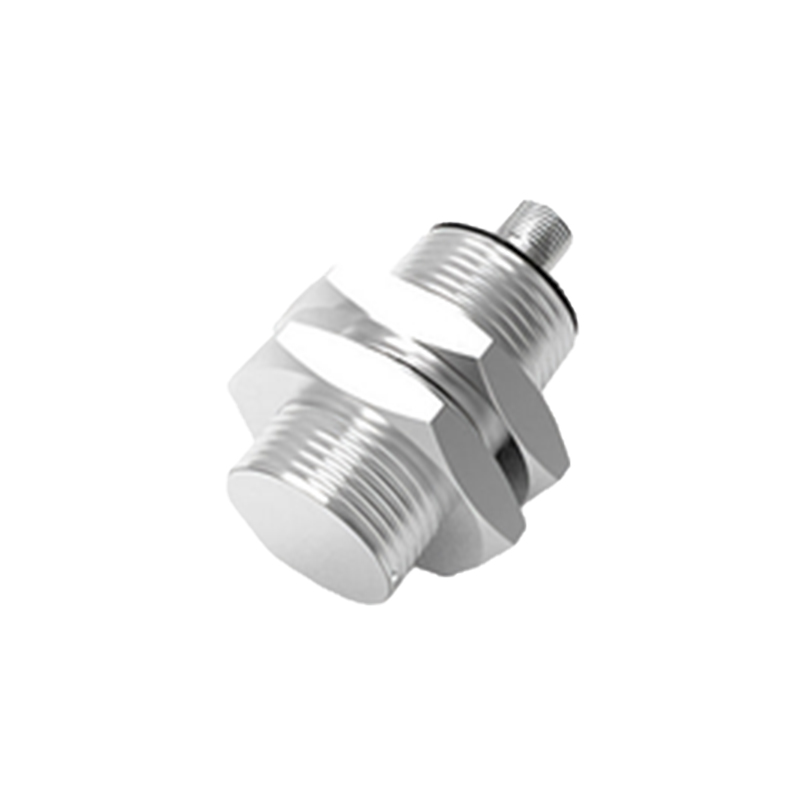
Challenges faced by manufacturers include cost pressures from mass production and competition from alternative technologies like ultrasonic or capacitive sensors. However, infrared sensors maintain an edge in precision and versatility. Future developments may involve multisensor fusion, combining infrared with other sensing modalities for enhanced functionality.
In summary, infrared proximity sensor manufacturers play a critical role in enabling automation and smart device innovation. Through continuous research and adaptation, they drive progress across industries, from manufacturing to healthcare. As technology evolves, these sensors will likely become even more integral to interconnected, intelligent systems worldwide.