Proximity sensors, as non-contact detection devices, have become indispensable components in modern industrial automation and control systems. Their primary function is to detect the presence or absence of an object within a specified range without any physical contact. This technology, based on electromagnetic fields, infrared light, or ultrasonic sound waves, offers a robust solution for countless applications, from assembly line object counting to precise machine positioning. Understanding their core operational principles is key to appreciating their strengths and limitations.
The most significant advantage of proximity sensors is their non-contact nature. This eliminates mechanical wear and tear on both the sensor and the target object, leading to dramatically increased operational lifespan and reduced maintenance costs. Unlike mechanical limit switches, which suffer from contact fatigue, proximity sensors offer exceptional reliability over millions of operating cycles. This characteristic makes them ideal for harsh environments where dust, oil, or moisture would quickly degrade physical contacts.
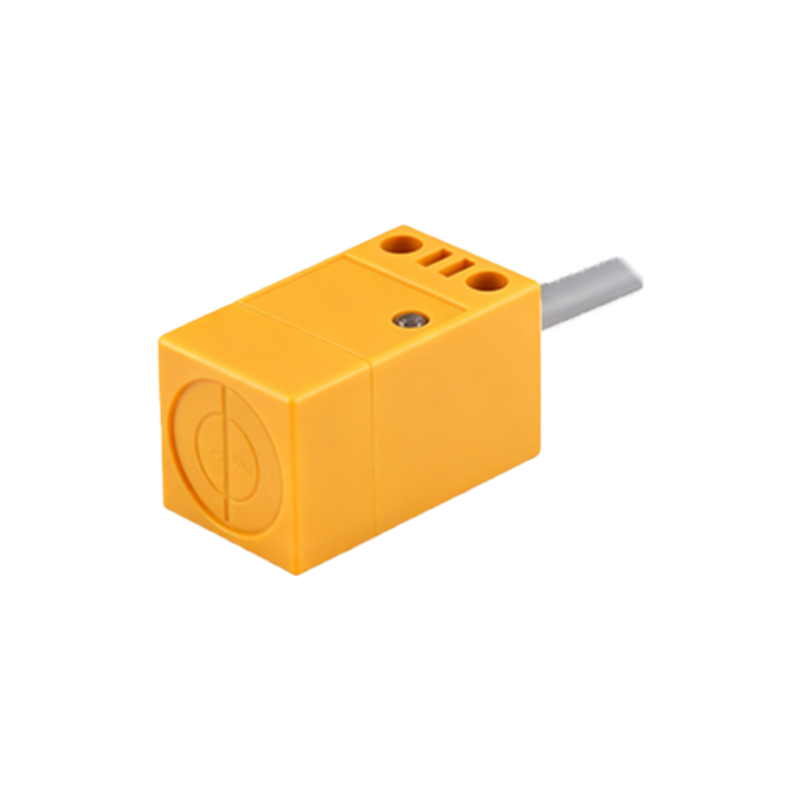
Another major benefit is their high-speed response and switching frequency. Modern inductive and capacitive proximity sensors can detect objects and send a signal in microseconds, enabling their use in high-speed production lines, packaging machinery, and robotics where rapid, precise detection is critical. This speed contributes directly to increased throughput and efficiency in automated processes.
Furthermore, these sensors are renowned for their robustness. Many models feature solid-state construction with no moving parts, housed in rugged, sealed enclosures rated for IP67 or higher. This allows them to perform reliably in demanding conditions involving temperature extremes, vibration, and exposure to coolants or washdown procedures. Their ability to function without being affected by the surface condition of the target (like color or reflectivity, for photoelectric types) is another operational strength, ensuring consistent performance.
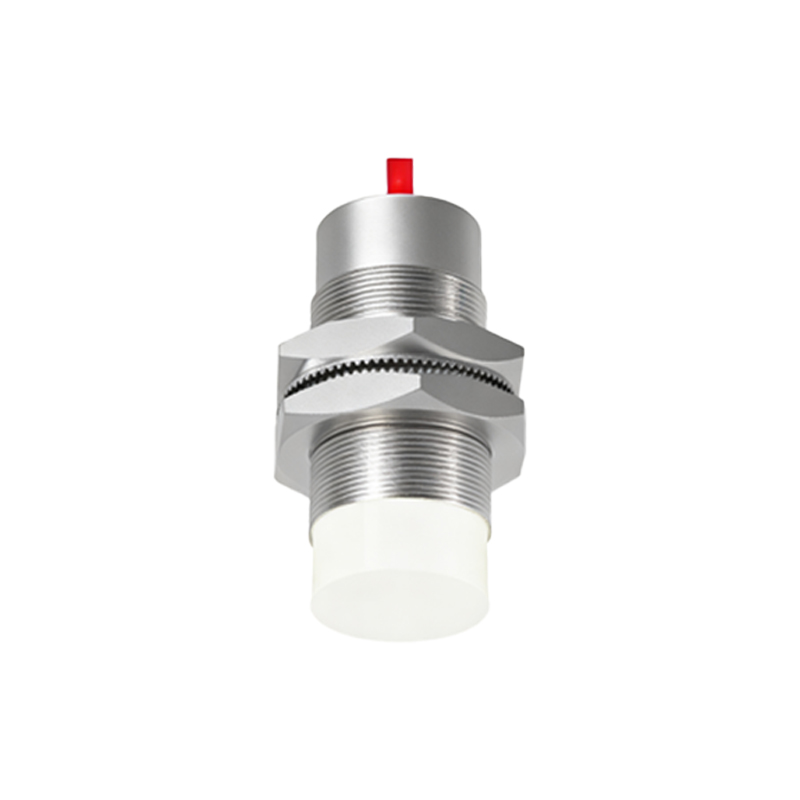
However, proximity sensors are not without their disadvantages. One of the primary limitations is their finite sensing range. The detection distance is typically short, ranging from a few millimeters to several tens of millimeters, depending on the sensor type and size. This requires precise installation and positioning, which can increase design complexity and installation time. Objects outside this specific range will not be detected, limiting their application for longer-range needs.
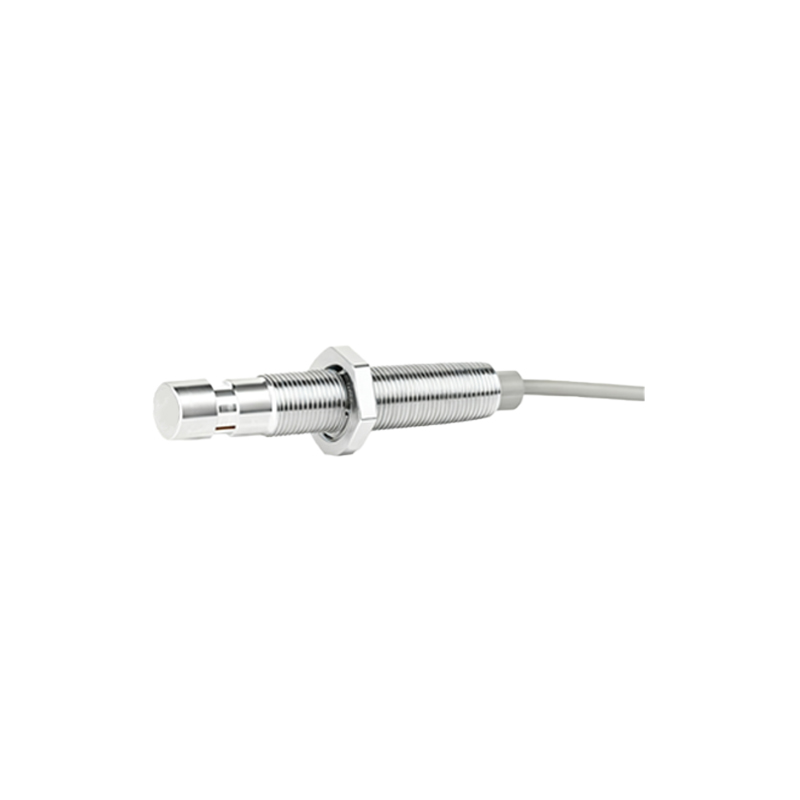
Another critical drawback is susceptibility to environmental interference. Inductive sensors, for instance, can be affected by external electromagnetic fields from motors or welding equipment. Capacitive sensors might falsely trigger due to changes in humidity or the presence of non-target materials. Ultrasonic sensors can be challenged by air turbulence, temperature gradients, or absorbent target surfaces. Careful sensor selection and shielding are often necessary to mitigate these issues.
The material dependency of certain sensor types is a significant constraint. Standard inductive proximity sensors only detect metallic objects, primarily ferrous metals like steel. While versions for non-ferrous metals exist, their sensing range is reduced. Capacitive sensors can detect non-metals but are more prone to environmental noise. This material specificity must be carefully matched to the application, potentially limiting flexibility.
Finally, cost can be a consideration. While simple inductive sensors are cost-competitive, specialized models with longer ranges, analog outputs, or specific housing materials can be significantly more expensive than basic mechanical switches. The total cost of ownership, however, often favors proximity sensors due to their longevity and reduced downtime.
In conclusion, the selection of a proximity sensor requires a careful trade-off analysis. Their advantages—non-contact operation, high speed, longevity, and robustness—make them superior for most modern automated tasks. Engineers must weigh these against the disadvantages of limited range, environmental sensitivity, material restrictions, and initial cost. The key to successful implementation lies in thoroughly understanding the application requirements: target material, required sensing distance, environmental conditions, and necessary response speed. By doing so, the unparalleled reliability and efficiency of proximity sensors can be fully leveraged to create more resilient and productive industrial systems.