The LE-126 proximity sensor represents a significant advancement in industrial automation, offering reliable non-contact detection for a wide range of applications. Designed with robust engineering principles, this inductive proximity sensor excels in harsh environments where precision and durability are paramount. Its core functionality relies on electromagnetic field generation, enabling the detection of metallic objects without physical contact, thereby reducing mechanical wear and enhancing operational efficiency.
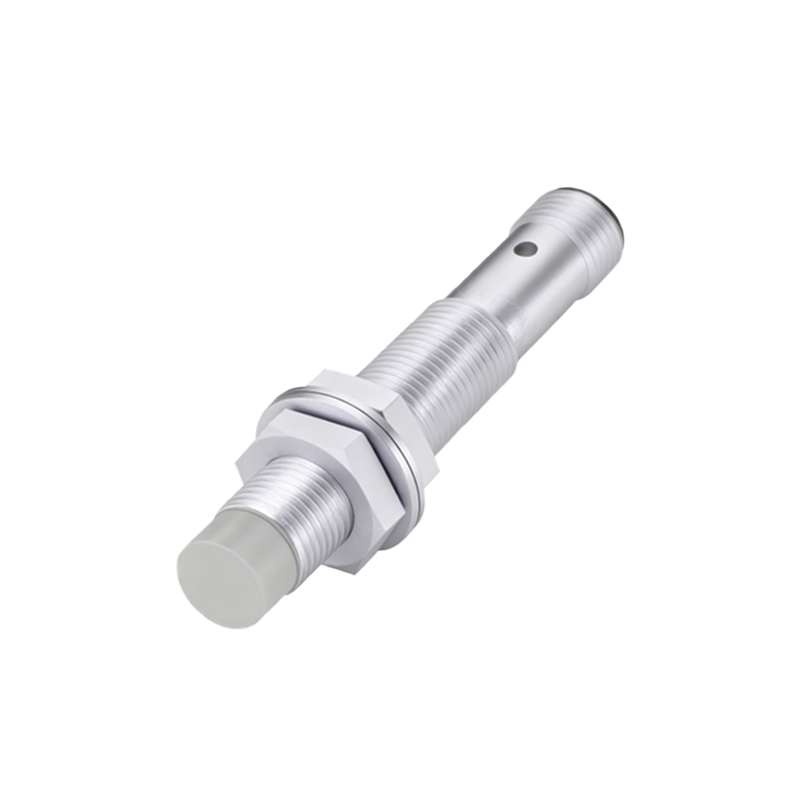
One of the key features of the LE-126 is its high switching frequency, which allows for rapid detection in high-speed production lines. The sensor operates effectively within a temperature range of -25°C to 70°C, making it suitable for diverse industrial settings, from automotive manufacturing to material handling systems. With a sensing distance of up to 8mm, depending on the target material, it provides consistent performance even in the presence of dust, oil, or moisture. The housing is typically constructed from nickel-plated brass or stainless steel, ensuring resistance to corrosion and mechanical impacts.
Installation and integration of the LE-126 are straightforward, thanks to its standardized M12 or M18 threaded designs. Many models include LED indicators for operational status, simplifying maintenance and troubleshooting. The sensor outputs a digital signal, compatible with PLCs (Programmable Logic Controllers) and other control systems, facilitating seamless integration into existing automation networks. Additionally, short-circuit and overload protection features enhance system safety, minimizing downtime due to electrical faults.
In practical applications, the LE-126 is widely used for position sensing, object counting, and end-of-travel detection. For instance, in conveyor systems, it ensures precise package positioning, while in robotic arms, it aids in accurate component placement. The sensor's immunity to environmental interference, such as vibration or electromagnetic noise, further solidifies its reliability. Regular calibration is rarely needed, reducing long-term maintenance costs.
Looking ahead, the LE-126 aligns with Industry 4.0 trends by supporting smart factory initiatives. Its low power consumption and compatibility with IoT (Internet of Things) platforms enable predictive maintenance and real-time monitoring. Engineers appreciate its versatility, as it can be configured for normally open or normally closed operations, adapting to specific control logic requirements. Overall, the LE-126 proximity sensor stands as a cornerstone in modern industrial automation, driving efficiency and innovation across sectors.