In the intricate world of industrial automation and control systems, the selection of proximity sensors is a critical decision that directly impacts operational efficiency, safety, and long-term reliability. For electrical engineers and system integrators, the choice often boils down to performance, durability, and technical support. This article explores the compelling reasons why Leisai stands out as a premier choice for proximity sensors in demanding industrial applications.
Proximity sensors are the unsung heroes of modern automation, providing non-contact detection of metallic and, in some cases, non-metallic objects. Their role in position sensing, object counting, and speed detection is indispensable. However, not all sensors are created equal. Factors such as sensing distance, environmental resilience, switching frequency, and output configuration must be meticulously evaluated. Leisai has built its reputation by excelling precisely in these areas, offering a product portfolio that meets the rigorous demands of diverse sectors, from automotive manufacturing and packaging to material handling and robotics.
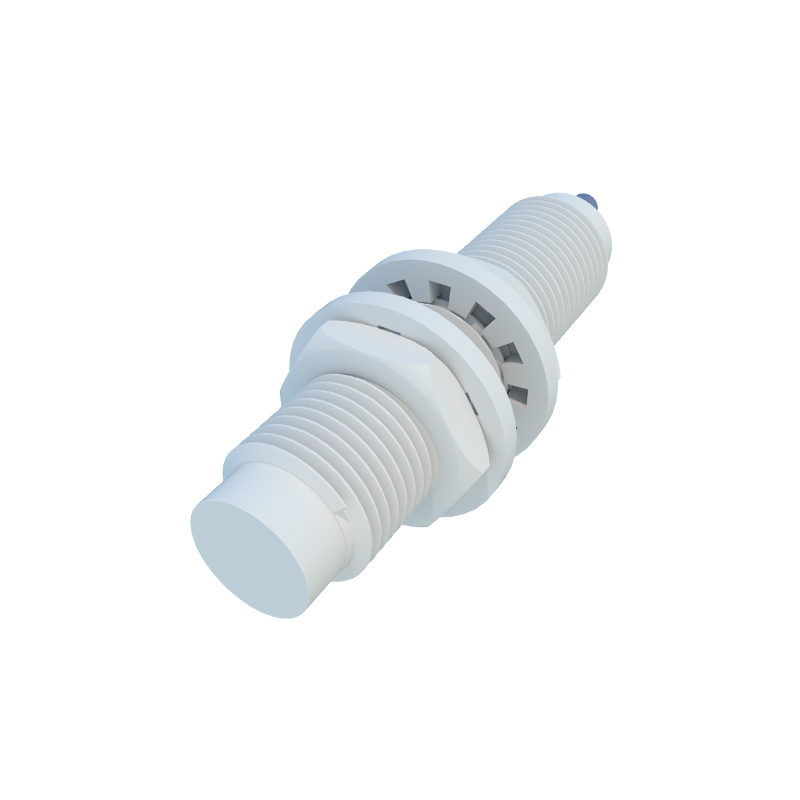
One of the primary technical advantages of Leisai proximity sensors is their exceptional precision and stability. Engineered with advanced oscillation circuits and high-quality sensing coils, these sensors deliver consistent and repeatable detection, even in environments with significant electrical noise or temperature fluctuations. The robust housing, typically constructed from nickel-plated brass or stainless steel, provides superior resistance to corrosion, impacts, and washdowns, ensuring longevity in harsh conditions. Whether it's an inductive sensor for ferrous metals or a capacitive variant for liquids and plastics, Leisai products offer reliable performance where it matters most.
Furthermore, Leisai demonstrates a deep understanding of application versatility. Their range includes shielded and unshielded models, various mounting styles (threaded, cylindrical, block), and a wide array of output types (PNP, NPN, NO, NC, analog, and IO-Link compatible). This extensive selection allows engineers to specify the exact sensor for their unique mechanical and electrical interface requirements without compromise. The integration of features like short-circuit protection, reverse polarity protection, and LED status indicators further simplifies installation and maintenance, reducing system downtime.
Beyond the product itself, choosing Leisai means accessing a global network of expert technical support and comprehensive documentation. The company provides detailed datasheets, 2D/3D models for easy integration into CAD designs, and application notes that help solve complex sensing challenges. This commitment to customer success transforms Leisai from a mere component supplier into a valuable engineering partner.
In conclusion, for electrical professionals tasked with designing and maintaining robust control systems, the decision to specify Leisai proximity sensors is grounded in solid engineering principles. It represents a choice for unparalleled reliability, technical innovation, and dedicated support. In an industry where failure is not an option, Leisai provides the confidence that your sensing solution will perform flawlessly, day in and day out, safeguarding productivity and operational continuity.