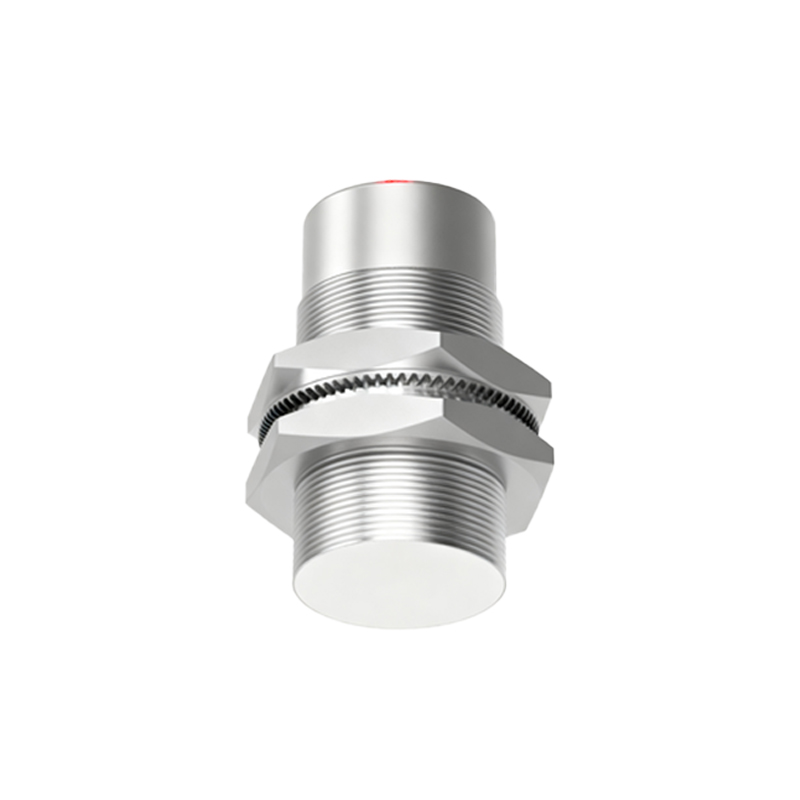
In today's demanding industrial landscape, equipment must perform reliably under extreme conditions. Wide temperature proximity sensors have emerged as critical components, designed to maintain precise detection capabilities across a broad thermal range. Unlike standard sensors that may falter in severe environments, these robust devices ensure continuous operation in applications ranging from cryogenic storage facilities to high-temperature manufacturing processes.
The core technology behind wide temperature proximity sensors involves advanced materials and innovative engineering. Manufacturers utilize specialized housing materials, such as stainless steel alloys and high-temperature plastics, to protect internal electronics from thermal stress. The sensing elements themselves are often based on inductive, capacitive, or magnetic principles, calibrated to deliver consistent performance despite temperature fluctuations. Key design considerations include thermal expansion compensation, temperature-stable oscillator circuits, and protective coatings that prevent condensation or ice formation in sub-zero conditions.
Typical operating ranges for these sensors span from -40°C to +100°C, with some specialized models capable of functioning from -60°C to +150°C. This versatility makes them indispensable in industries like automotive testing, where sensors monitor components in thermal chambers; food processing, with frequent washdowns at varying temperatures; and renewable energy, particularly in solar and wind installations exposed to outdoor extremes. The sensors provide non-contact detection of metallic or non-metallic objects, offering solutions for position sensing, limit switching, and object counting in environments where traditional sensors would fail.
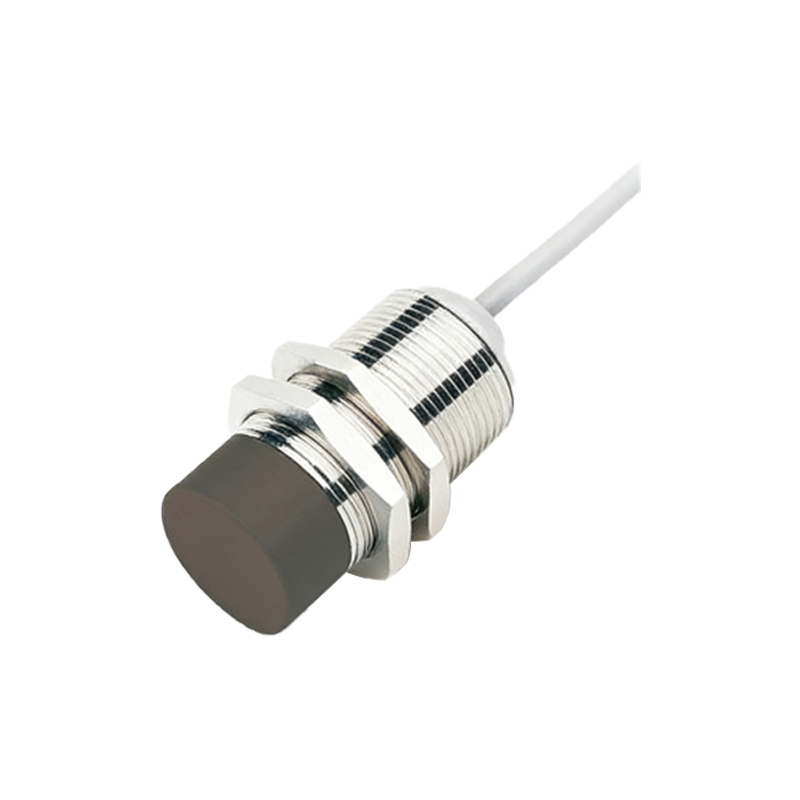
Installation and maintenance practices significantly impact sensor longevity. Proper mounting avoids direct exposure to heat sources like exhaust manifolds or cooling units, while adequate shielding minimizes electromagnetic interference in electrically noisy settings. Regular verification of sensing distance and output signal integrity helps identify potential issues before they lead to system downtime. Many modern sensors incorporate diagnostic LEDs or IO-Link communication for real-time health monitoring, simplifying predictive maintenance routines.
The evolution of wide temperature proximity sensors continues with miniaturization and enhanced connectivity. Emerging designs feature reduced housing sizes without compromising durability, enabling installation in space-constrained applications. Integration with Industrial Internet of Things (IIoT) platforms allows for data logging of temperature profiles and detection events, facilitating process optimization. As industries push operational boundaries, these sensors will remain vital for enabling automation in the world's most challenging environments, ensuring safety, efficiency, and reliability where temperature is anything but constant.