In the realm of industrial automation and control systems, proximity sensors stand as critical components for detecting the presence or absence of objects without physical contact. Among the diverse types available, separable or split-type proximity sensors offer unique advantages in terms of installation flexibility and maintenance efficiency. This article delves into the working principles, key features, applications, and selection criteria for separable proximity sensors, providing a thorough understanding for engineers and technicians in the electrical and automation fields.
Separable proximity sensors, as the name implies, consist of two distinct parts: a sensing head and a separate amplifier or controller unit. This design allows the sensing element to be installed in tight or harsh environments—such as high-temperature zones, areas with limited space, or locations subject to heavy vibration—while the amplifier can be mounted in a more accessible, protected enclosure. The two components are connected via a cable, typically ranging from a few centimeters to several meters in length, depending on the model and application requirements.
The operating principle of these sensors is based on electromagnetic, capacitive, or inductive technologies, with inductive types being the most common in industrial settings. An inductive separable proximity sensor generates an electromagnetic field from the sensing head. When a metallic object enters this field, it causes a change in the oscillation amplitude, which is detected and processed by the amplifier unit. The amplifier then outputs a signal, such as a switch contact or a voltage pulse, to indicate the object's presence. This separation minimizes the impact of environmental factors on the sensing electronics, enhancing reliability and longevity.
Key features of separable proximity sensors include high environmental resistance, adjustable sensing ranges, and robust construction. Many models are rated IP67 or higher, making them resistant to dust, water, and oil ingress. The ability to adjust sensitivity or sensing distance via the amplifier allows for fine-tuning in diverse applications, from detecting small fasteners to large machinery parts. Additionally, the separable design simplifies maintenance and replacement; if the sensing head is damaged, it can be swapped out without disturbing the amplifier wiring, reducing downtime and labor costs.
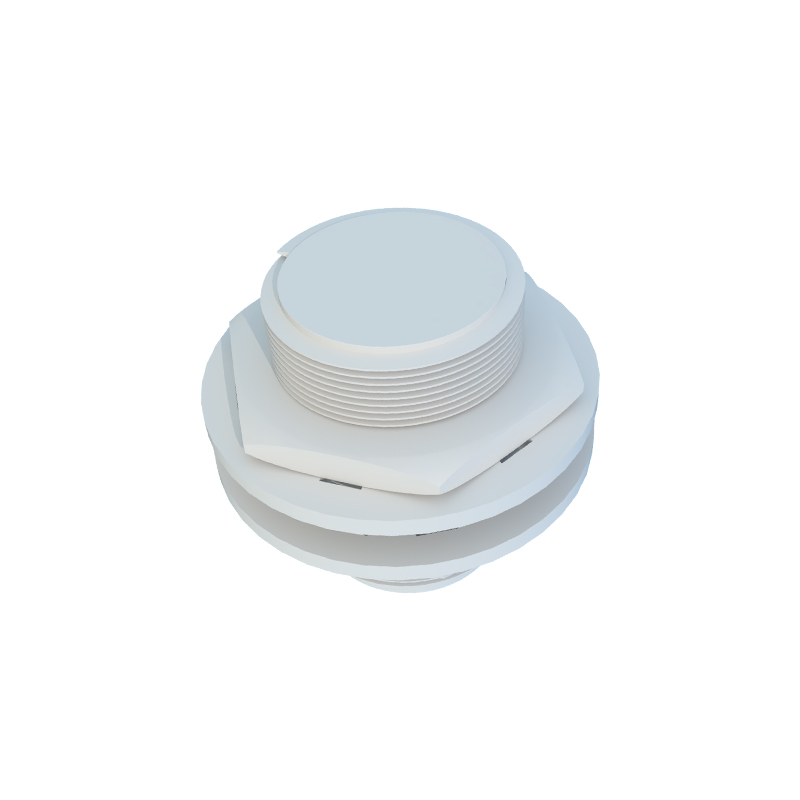
Applications for these sensors are widespread across industries. In automotive manufacturing, they monitor the position of robotic arms or verify component placement on assembly lines. In packaging machinery, they detect labels, caps, or product presence to ensure proper sequencing. The food and beverage industry utilizes them in washdown environments where sensors must withstand frequent cleaning with corrosive chemicals. Moreover, in material handling and logistics, separable proximity sensors aid in object counting, positioning on conveyors, and safety interlocking for automated guided vehicles (AGVs).
When selecting a separable proximity sensor, engineers must consider several factors. First, the sensing technology should match the target material—inductive for metals, capacitive for non-metals like plastics or liquids. The sensing range must accommodate the application's distance requirements, with typical ranges from 1 mm to 40 mm for standard models. Environmental conditions, such as temperature extremes, humidity, and exposure to chemicals, dictate the housing material and IP rating. Electrical specifications, including supply voltage (e.g., 10-30 V DC) and output type (e.g., NPN, PNP, or analog), should align with the control system. Finally, cable length and connector types are crucial for ensuring reliable signal transmission without interference.
Installation best practices involve securing the sensing head firmly to avoid misalignment, which could cause false triggers. The cable should be routed away from power lines or motors to prevent electromagnetic interference. Regular testing and calibration, as per manufacturer guidelines, help maintain optimal performance. With proper selection and maintenance, separable proximity sensors can significantly enhance system efficiency, safety, and productivity.
In conclusion, separable proximity sensors represent a versatile solution for challenging industrial environments. Their split design offers practical benefits in installation, durability, and serviceability, making them a preferred choice for many automation projects. As technology advances, we can expect further innovations in miniaturization, smart diagnostics, and connectivity, solidifying their role in the evolving landscape of industrial automation.