Selecting the ideal proximity sensor is a critical decision that directly impacts the efficiency, safety, and reliability of automated systems. With a vast array of technologies and specifications available, navigating the options can be daunting. This guide provides a structured approach to help engineers, technicians, and procurement specialists make an informed choice, ensuring the sensor perfectly matches the application's demands.
The first and most crucial step is to clearly define the application requirements. What is the primary purpose? Is it for object detection, position control, counting, or end-of-travel monitoring? Next, identify the target material. Is it metallic (ferrous like steel, or non-ferrous like aluminum, copper), non-metallic (plastic, wood, glass), or a liquid? Different sensor technologies interact with materials in distinct ways. The required sensing distance, or nominal range, must be determined, always considering a safety margin. Environmental factors are equally important. Will the sensor be exposed to extreme temperatures, humidity, washdowns, chemicals, or strong electromagnetic interference? Understanding these conditions is essential for selecting a sensor with an appropriate ingress protection (IP) rating and robust construction.
Once requirements are mapped, the focus shifts to sensor technology. The four primary types are Inductive, Capacitive, Ultrasonic, and Photoelectric.
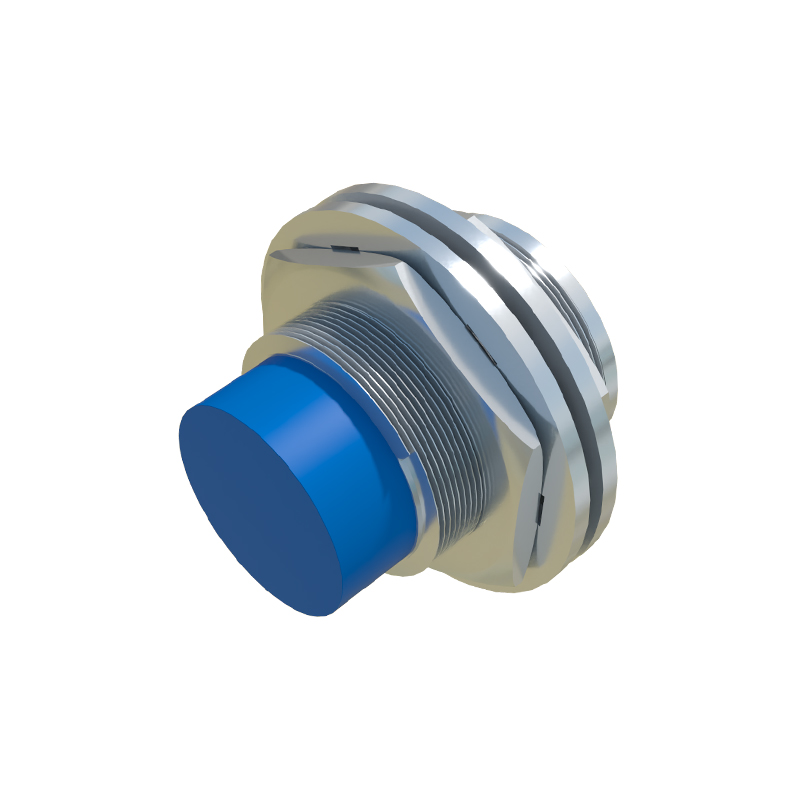
Inductive proximity sensors are the workhorses for detecting metallic objects. They generate an electromagnetic field and detect eddy current losses in the target. They are robust, contactless, and ideal for harsh industrial environments. Key specifications include sensing range (typically up to 60mm), the type of metal (standard models are tuned for steel), and output configuration (e.g., NPN or PNP). They cannot detect non-metals.
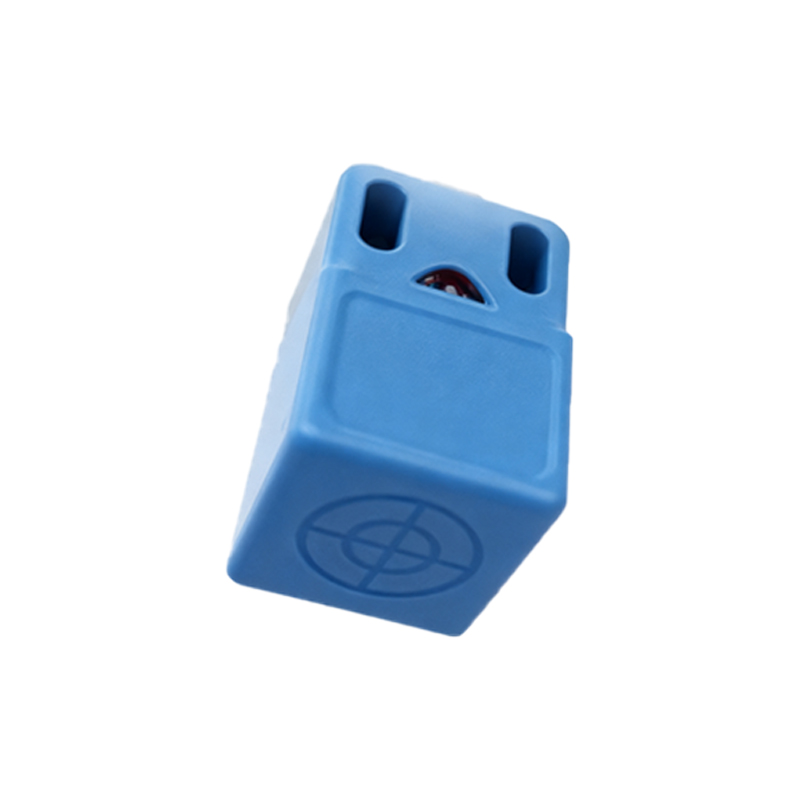
Capacitive proximity sensors can detect both metallic and non-metallic materials, including liquids, powders, and plastics. They function by detecting changes in capacitance caused by the presence of any material that alters the dielectric constant. They are perfect for level detection in tanks, material handling, and applications involving non-conductive targets. Their sensing range is generally shorter than inductive sensors.
Ultrasonic sensors use sound waves beyond human hearing. They measure the time taken for an emitted sound pulse to bounce back from a target. This technology excels at detecting objects of virtually any material, shape, or color, and is superb for measuring distance and presence over longer ranges (up to several meters). They perform well in dusty or foggy environments where photoelectric sensors might fail but can be affected by temperature gradients and soft, sound-absorbing materials.
Photoelectric sensors operate by emitting a beam of light (visible, infrared, or laser) and detecting its reflection or interruption. They offer the longest sensing ranges and are highly versatile. Sub-types include through-beam (longest range, separate emitter and receiver), retro-reflective (uses a reflector), and diffuse (proximity mode, single unit). They are sensitive to target color, reflectivity, and transparency, and their performance can degrade in dirty or highly reflective environments.
Beyond core technology, several key specifications demand attention. Output type is fundamental: discrete (digital) outputs like NPN (sinking) or PNP (sourcing) are common for simple on/off detection, while analog outputs (4-20mA, 0-10V) provide continuous distance information. The sensor's housing size and shape (barrel, rectangular, ring-shaped) must fit the mechanical constraints. Connection method (pre-wired cable or quick-disconnect) affects installation and maintenance ease. Finally, consider special features like built-in timers, logic functions, or industry-specific certifications (e.g., ATEX for hazardous areas).
A practical selection process involves these steps: 1) Define the target material and required sensing distance. 2) Assess the operating environment (temperature, contaminants). 3) Choose the core technology based on steps 1 and 2. 4) Specify the electrical requirements (supply voltage, output type) to match the control system (PLC). 5) Determine the necessary housing, size, and mounting style. 6) Validate the choice by consulting manufacturer datasheets, which provide precise performance graphs and conditions. Always test the sensor with the actual target material under real conditions if possible.
Avoiding common pitfalls saves time and cost. Do not assume all metals are detected equally by an inductive sensor; always check the reduction factor for non-ferrous metals. Do not overlook the sensor's repeatability and temperature drift specifications for precision applications. Never install a sensor at its maximum rated distance; use 60-70% of the nominal range for reliable operation. Ensure the electrical load (current draw of the connected device) does not exceed the sensor's switching capacity.
In conclusion, there is no universal "best" proximity sensor. The optimal choice is a systematic match between the application's physical, environmental, and electrical requirements