Phoenix Contact proximity sensors represent a cornerstone of modern industrial automation, offering reliable non-contact detection for a wide range of applications. These sensors are engineered to deliver precision, durability, and seamless integration within complex control systems. Unlike mechanical switches, proximity sensors detect the presence or absence of an object without physical contact, thereby minimizing wear and tear and ensuring long-term operational stability.
The operational principle of Phoenix Contact inductive proximity sensors is based on generating an electromagnetic field. When a metallic object enters this field, it causes a change in the oscillation amplitude, which is detected by the sensor's circuit, triggering an output signal. This technology allows for the detection of various metals, including steel, aluminum, and copper, with high repeat accuracy. For non-metallic objects, such as plastics, liquids, or glass, Phoenix Contact offers capacitive proximity sensors. These function by detecting changes in capacitance when an object enters the sensing field, making them versatile for diverse material detection.
Key features of Phoenix Contact proximity sensors include robust housing designs, often rated at IP67 or higher, providing exceptional resistance to dust, moisture, and mechanical impacts. This makes them suitable for harsh industrial environments like automotive manufacturing, packaging lines, and material handling systems. Many models incorporate advanced diagnostics via IO-Link communication, enabling real-time monitoring of parameters such as switching distance, temperature, and signal strength. This connectivity facilitates predictive maintenance, reducing downtime and enhancing overall system efficiency.
Installation and integration are streamlined through standardized mounting options and compatibility with common industrial interfaces. The sensors support various output types, including PNP, NPN, and analog outputs, allowing flexible integration into PLCs (Programmable Logic Controllers) and other control units. Furthermore, their compact form factors enable installation in space-constrained applications without compromising performance.
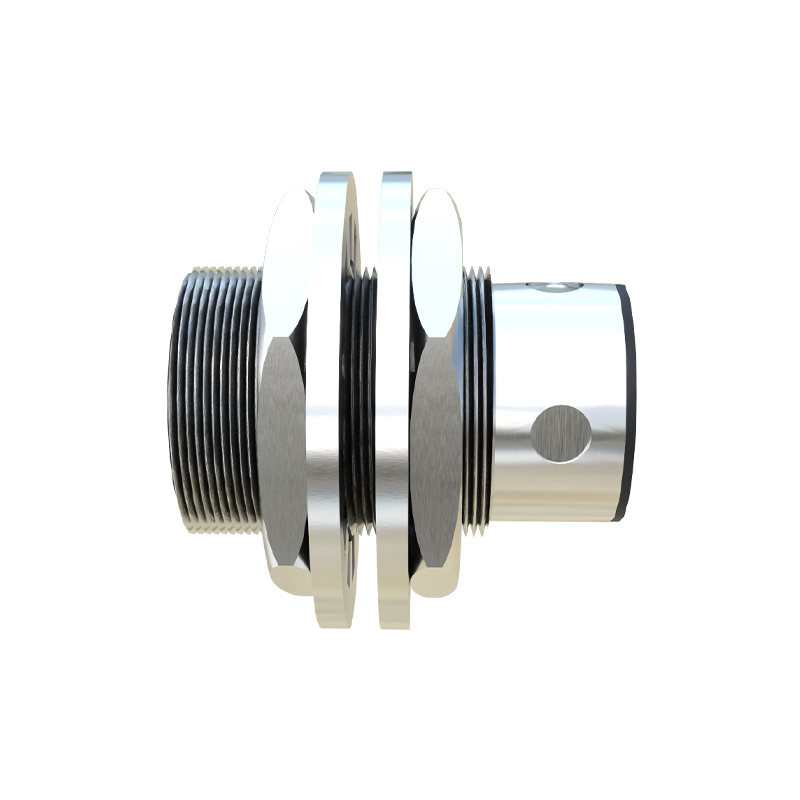
In practical applications, Phoenix Contact proximity sensors are pivotal in position sensing, object counting, and end-of-travel detection. For instance, in conveyor systems, they accurately detect the position of items, ensuring smooth sorting and routing. In robotic arms, these sensors provide precise feedback for pick-and-place operations, enhancing automation accuracy. The automotive industry relies on them for verifying component presence in assembly stations, while the food and beverage sector utilizes stainless-steel variants for hygienic, washdown environments.
Selecting the appropriate proximity sensor involves considering factors such as sensing range, target material, environmental conditions, and required output. Phoenix Contact's extensive portfolio includes cylindrical and rectangular designs, shielded and unshielded versions, and specialized models for high-temperature or corrosive atmospheres. Engineers must also account for electrical specifications, ensuring compatibility with the system's voltage and current requirements.
Maintenance of these sensors is generally minimal due to their non-contact nature. However, regular checks for contamination, misalignment, and cable integrity are recommended to sustain optimal performance. The integration of smart features like teach-in functionality allows for easy adjustment of sensing parameters, adapting to changing operational needs without hardware modifications.
In conclusion, Phoenix Contact proximity sensors are integral to advancing industrial automation, offering a blend of reliability, innovation, and adaptability. Their ability to operate in demanding conditions while providing accurate data supports the evolution towards smarter, more connected factories. As industries continue to embrace Industry 4.0, the role of these sensors in enabling efficient and resilient automation systems becomes increasingly significant, driving productivity and operational excellence across global manufacturing landscapes.