The GM701S proximity sensor represents a significant advancement in non-contact detection technology, designed specifically for demanding industrial environments. As an inductive proximity sensor, it operates on the principle of electromagnetic field generation and eddy current detection. When a metallic target enters its active sensing range, it disrupts the oscillator's field, triggering a solid-state output switch. This fundamental operation makes it exceptionally reliable for position sensing, object counting, and automated machinery control where physical contact is undesirable or impractical.
Constructed with a robust nickel-plated brass housing, the GM701S offers an IP67 protection rating, ensuring resistance to dust ingress and temporary immersion in water. This durability is critical for applications in automotive manufacturing, packaging lines, and material handling systems where exposure to coolants, oils, and particulate matter is common. The sensor features a built-in LED status indicator, providing immediate visual confirmation of both power presence and output activation, which simplifies installation and troubleshooting procedures.
Key technical parameters define its performance envelope. The GM701S typically operates within a DC voltage range of 10-30V DC, with a nominal current consumption below 15mA. Its sensing distance, a crucial specification, is rated at 8mm for standard mild steel targets. It is vital to note that this sensing range can vary with different metals; for instance, the effective range for stainless steel might be reduced, while for copper or aluminum, it is significantly less due to lower conductivity and permeability. The sensor provides a Normally Open (NO) configuration, with a switching frequency capable of reaching 1kHz, allowing for high-speed detection tasks. Output is via a 2-meter PVC cable or an M12 quick-disconnect connector, offering flexibility for various cabinet and machine designs.
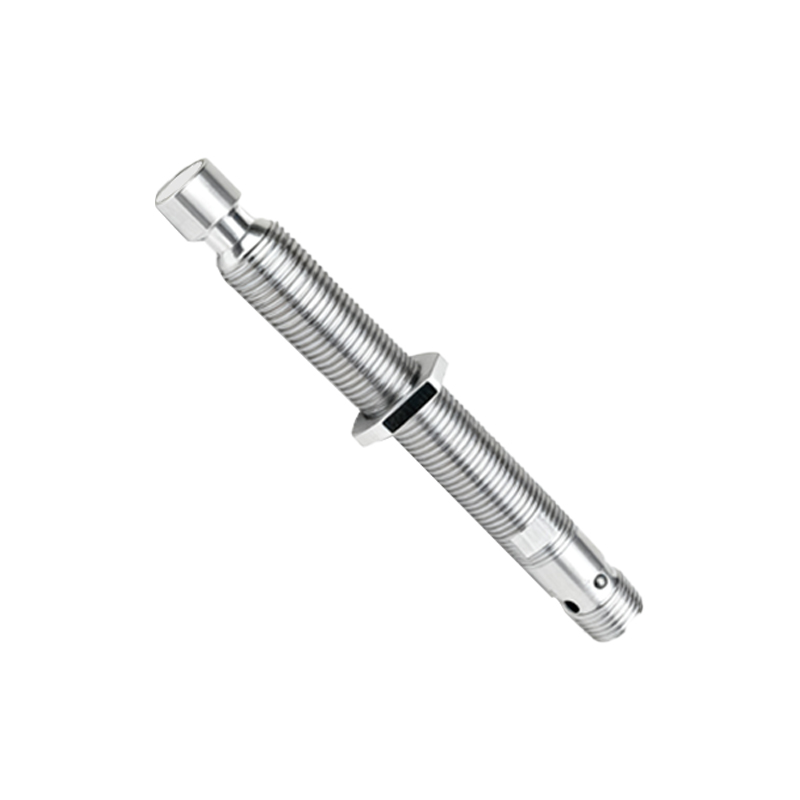
In practical application, correct installation is paramount for optimal performance. Engineers must account for the sensor's "blind zone"—the area immediately in front of the sensing face where detection is not possible. Furthermore, mounting in metallic surfaces requires careful consideration of flush or non-flush mounting specifications to avoid reduction of the nominal sensing distance. Environmental factors such as extreme temperatures, strong electromagnetic interference from nearby motors or welders, and chemical exposure must be evaluated against the sensor's operational specifications to ensure long-term reliability.
The GM701S finds extensive use across multiple sectors. In automated assembly, it verifies the presence of components like pistons or bearings before a robotic arm engages. On conveyor systems, it counts packages or detects jams. Within CNC machining centers, it serves as a tool breakage detector or a limit switch for axis movement. Its robustness also makes it suitable for harsh outdoor applications in forestry or agricultural machinery. When integrating the GM701S into a control system, pairing it with a compatible PLC or relay module is straightforward, though attention must be paid to wiring—ensuring correct polarity and the use of a protective fuse or circuit breaker in the supply line.
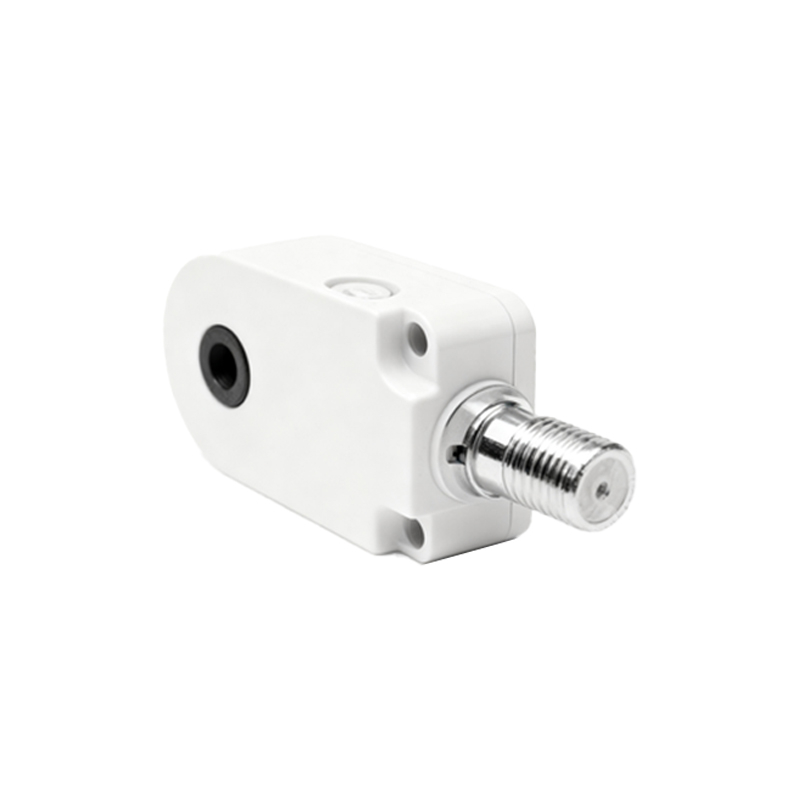
Maintenance of the GM701S is minimal but essential. Regular checks should include cleaning the sensing face of accumulated debris, verifying the tightness of mounting hardware to prevent vibration-induced misalignment, and testing the output under controlled conditions to confirm response time and consistency. Failure modes are often linked to cable damage from continuous flexing or exposure to cutting fluids, or internal component failure due to voltage spikes. Implementing proper cable management and surge protection can dramatically extend the sensor's service life.
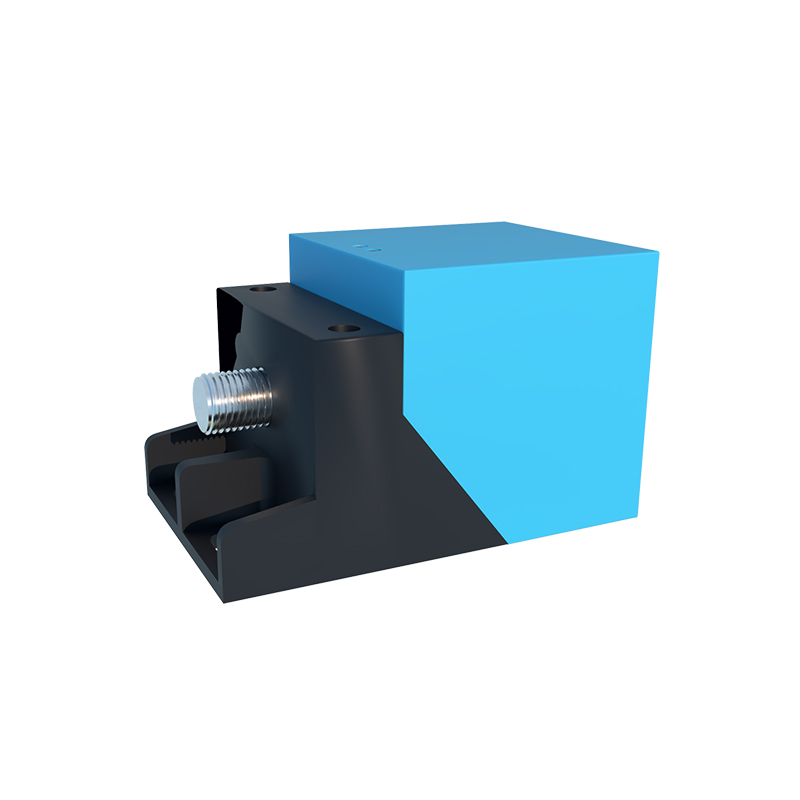
In conclusion, the GM701S proximity sensor is a versatile and rugged component that addresses core needs in industrial automation. Its design balances sensitivity, durability, and ease of integration. For system designers and maintenance engineers, understanding its specifications, correct installation practices, and ideal application scenarios is key to leveraging its full potential, thereby enhancing machine efficiency, safety, and uptime in complex production ecosystems.