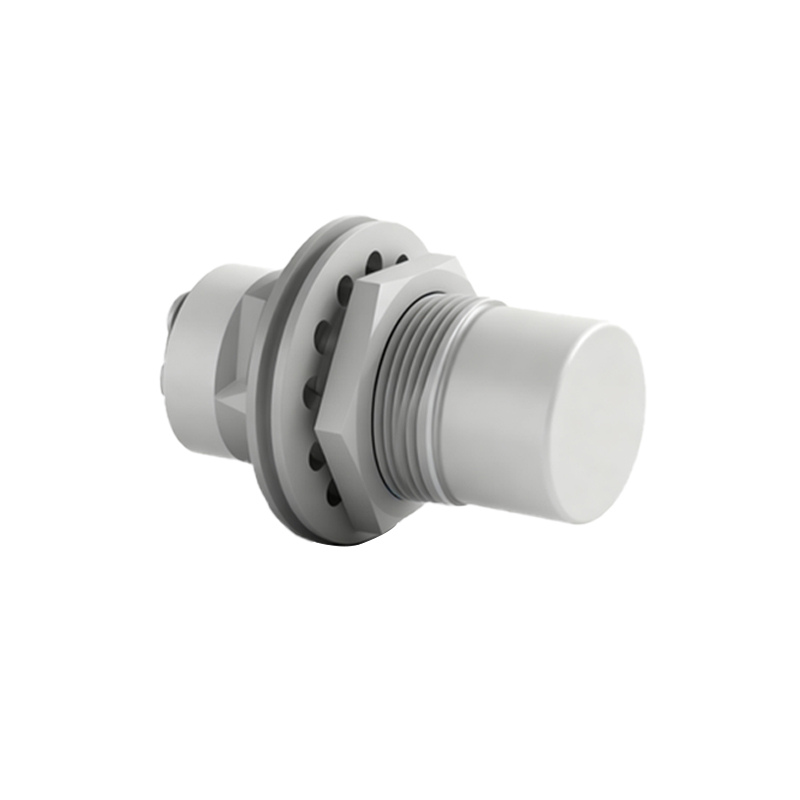
In the industrial landscape of Xiangzhou District, proximity sensors have become indispensable components for automation, safety, and efficiency. Among these, metal proximity sensors stand out due to their reliability and versatility in detecting ferrous and non-ferrous metals without physical contact. This article delves into the technology, applications, and benefits of metal proximity sensors, tailored to the needs of engineers and industry professionals in Xiangzhou.
Metal proximity sensors operate on electromagnetic principles. Inductive sensors, the most common type for metal detection, generate an oscillating electromagnetic field. When a metal object enters this field, eddy currents are induced, altering the oscillation amplitude or frequency. This change triggers the sensor's output signal, indicating the presence of the metal. Key parameters include sensing range, which typically ranges from a few millimeters to several centimeters, and response time, often in microseconds, ensuring rapid detection for high-speed processes. In Xiangzhou's manufacturing hubs, such as electronics and machinery plants, these sensors are crucial for tasks like part counting, position verification, and conveyor belt monitoring.
The selection of metal proximity sensors depends on environmental factors and application requirements. In Xiangzhou's humid coastal climate, sensors with high IP ratings (e.g., IP67 or IP68) are essential to resist moisture and dust ingress. For harsh industrial environments, models with robust housing materials like stainless steel or nickel-plated brass offer durability against corrosion and mechanical stress. Additionally, factors like temperature tolerance—often from -25°C to 70°C—and output types (e.g., NPN, PNP, or analog) must align with local control systems. Engineers in Xiangzhou should prioritize sensors with certifications like CE or UL to ensure compliance with international safety standards, which are increasingly adopted in the district's export-oriented industries.
Applications of metal proximity sensors in Xiangzhou span various sectors. In automotive manufacturing, they enable precise detection of engine components or assembly line parts, reducing errors and downtime. In packaging and logistics, sensors monitor metal containers or robotic arms, enhancing automation in warehouses. The food processing industry, though less metal-intensive, uses specialized sensors for equipment safety checks. Case studies from Xiangzhou's industrial parks highlight how integrating these sensors with PLCs (Programmable Logic Controllers) and IoT networks has improved productivity by up to 20%, thanks to real-time data collection and predictive maintenance capabilities.
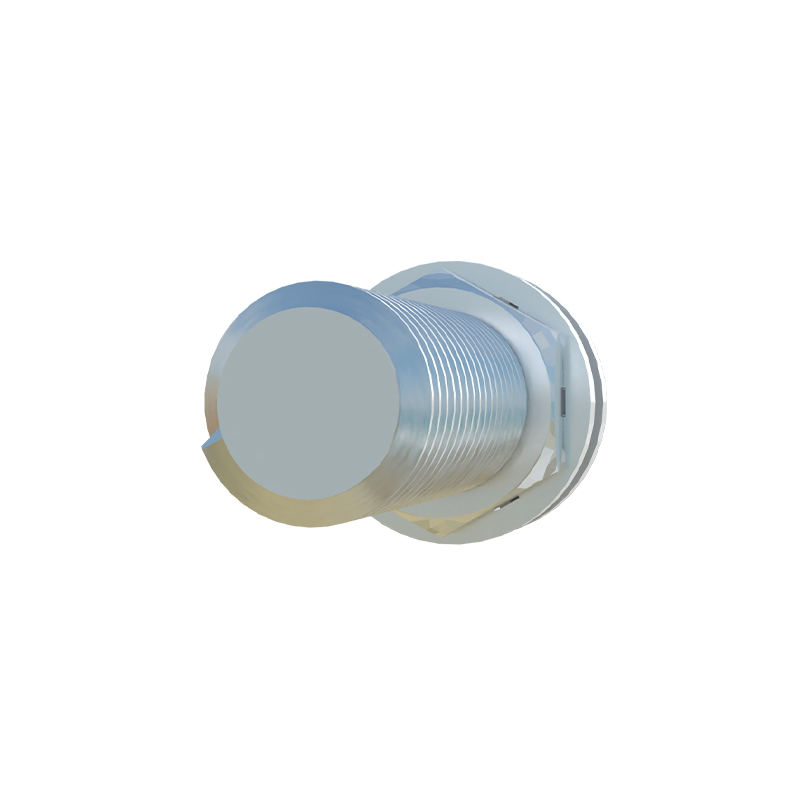
Advancements in sensor technology are shaping Xiangzhou's industrial future. Smart sensors with IO-Link communication allow for parameter adjustment and diagnostics remotely, reducing maintenance costs. Energy-efficient designs help factories in Xiangzhou meet sustainability goals by minimizing power consumption. Looking ahead, trends like miniaturization and enhanced sensitivity will drive adoption in emerging fields such as robotics and renewable energy. For engineers in Xiangzhou, staying updated with these innovations is key to optimizing systems and maintaining a competitive edge in the global market.
In summary, metal proximity sensors are vital tools in Xiangzhou District's industrial ecosystem. By understanding their technical aspects, environmental adaptability, and diverse applications, professionals can leverage these devices to boost efficiency and safety. As Xiangzhou continues to grow as a manufacturing hub, investing in high-quality sensors and ongoing training will ensure long-term success in an automated world.