Capacitive proximity sensors are widely used in industrial automation for non-contact detection of various objects. Unlike inductive sensors that only detect metals, capacitive sensors can detect both metallic and non-metallic materials, including liquids, powders, and plastics. This versatility makes them essential in applications ranging from level sensing to object positioning.
A key component in optimizing capacitive sensor performance is the use of metal foil or shims. These thin conductive layers are often applied to adjust the sensor's sensing range or to enhance detection consistency. When a capacitive sensor is used to detect non-metallic materials, the dielectric constant of the target material influences the sensing distance. By attaching metal foil to the sensor face or the target surface, the effective dielectric constant changes, allowing for more reliable detection. For instance, in packaging lines where cardboard boxes vary in thickness, a metal foil backing can standardize the sensor response, reducing false triggers.
The working principle of capacitive sensors relies on changes in capacitance. The sensor generates an electrostatic field. When an object enters this field, it alters the capacitance, triggering an output signal. Metal foil amplifies this effect because metals have high conductivity and permittivity, leading to a stronger capacitive coupling. This is particularly useful in low-sensitivity scenarios, such as detecting thin plastic films or glass containers. Engineers often calibrate sensors using foil to achieve precise thresholds, especially in hygienic environments like food processing, where sensor heads must remain uncontaminated.
In practical installations, metal foil serves multiple purposes. It can shield sensors from external interference, such as electromagnetic noise from motors or conveyors. Additionally, foil extensions enable detection through non-metallic barriers. For example, a sensor mounted outside a plastic tank can detect liquid levels inside by attaching foil to the inner wall, creating a capacitive bridge. This method avoids direct contact with corrosive fluids, extending sensor lifespan.

However, improper use of metal foil can cause issues. Overlapping foil or leaving air gaps may lead to inconsistent readings. It's crucial to ensure smooth application without wrinkles. The foil thickness also matters; typically, aluminum or copper foils between 0.05mm to 0.2mm are recommended. For high-temperature environments, heat-resistant materials like stainless steel foil are preferred. Regular maintenance checks should include inspecting foil integrity, as damage or oxidation can degrade performance.
Advancements in capacitive sensor technology have integrated smart features, such as IO-Link communication, which allows remote adjustment of parameters like sensitivity and switching points. Metal foil compatibility remains a consideration in these systems, with some sensors offering auto-calibration modes to adapt to foil-assisted setups. This reduces setup time and enhances adaptability in dynamic production lines.
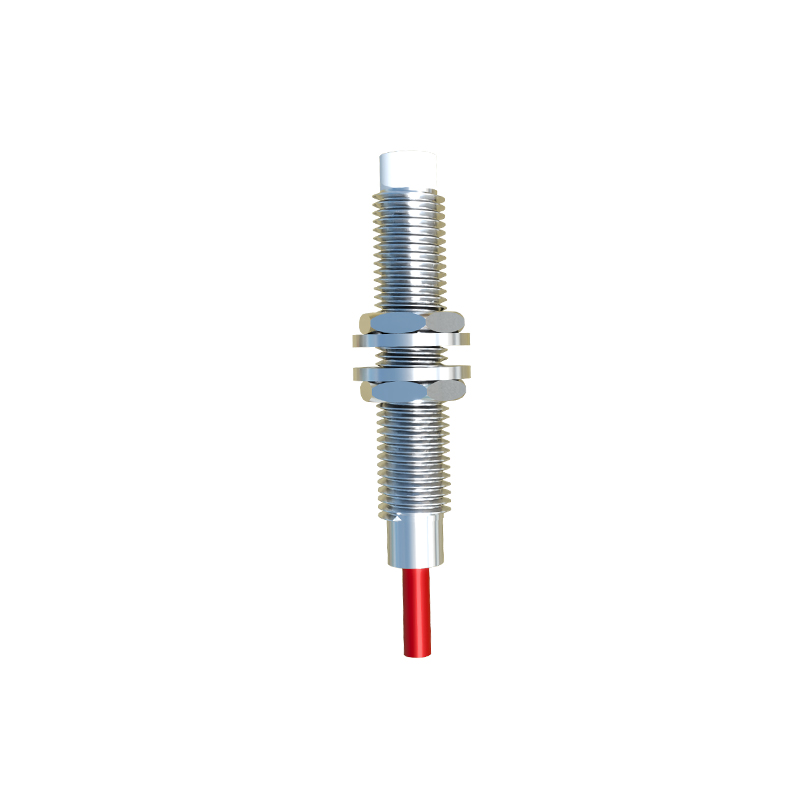
In summary, metal foil is a simple yet powerful tool for optimizing capacitive proximity sensors. Its ability to modify sensing characteristics makes it invaluable in complex industrial applications. By understanding the interplay between foil properties and sensor design, engineers can achieve higher reliability and efficiency in automation processes. As industries move toward smarter manufacturing, the role of such auxiliary components continues to evolve, supporting precision and innovation.