Welding proximity switch sensors are critical components in modern industrial automation, particularly in manufacturing environments where precision, durability, and reliability are paramount. These sensors detect the presence or absence of metallic objects without physical contact, making them ideal for harsh welding conditions characterized by high temperatures, spatter, and electromagnetic interference. Unlike standard proximity sensors, welding-specific models are engineered with robust housings, often made of stainless steel or specialized alloys, to withstand intense heat and mechanical stress. They typically feature enhanced shielding against welding spatter, which can accumulate and impair sensor functionality over time.
The operational principle of welding proximity switches relies on electromagnetic fields or capacitive sensing technologies. Inductive proximity sensors, the most common type for welding applications, generate an oscillating electromagnetic field. When a metallic target enters this field, it induces eddy currents that alter the oscillation amplitude, triggering a switch signal. This non-contact detection ensures minimal wear and tear, extending the sensor's lifespan even in continuous operation. Key specifications to consider include sensing distance, which ranges from a few millimeters to several centimeters, and response time, often in microseconds, crucial for high-speed production lines.
In welding systems, these sensors perform diverse functions, such as monitoring weld gun position, detecting workpiece presence, or ensuring proper fixture alignment. For instance, in robotic welding cells, proximity switches verify that components are correctly positioned before initiating the weld cycle, preventing defects and equipment damage. They also integrate with programmable logic controllers (PLCs) to enable automated sequences, enhancing efficiency and reducing human intervention. Environmental resilience is a defining feature; many sensors are rated IP67 or higher for dust and water resistance, with operating temperatures exceeding 100°C to endure near-weld zones.
Installation and maintenance practices significantly impact sensor performance. Proper mounting, using brackets that minimize vibration exposure, is essential to avoid false triggers. Regular cleaning to remove spatter buildup—using non-abrasive tools or automated cleaning systems—helps maintain accuracy. Additionally, selecting sensors with diagnostic capabilities, like LED indicators for status monitoring, can streamline troubleshooting. Industry standards, such as IEC 60947-5-2, guide the selection and testing of these devices to ensure compatibility with industrial safety and performance norms.
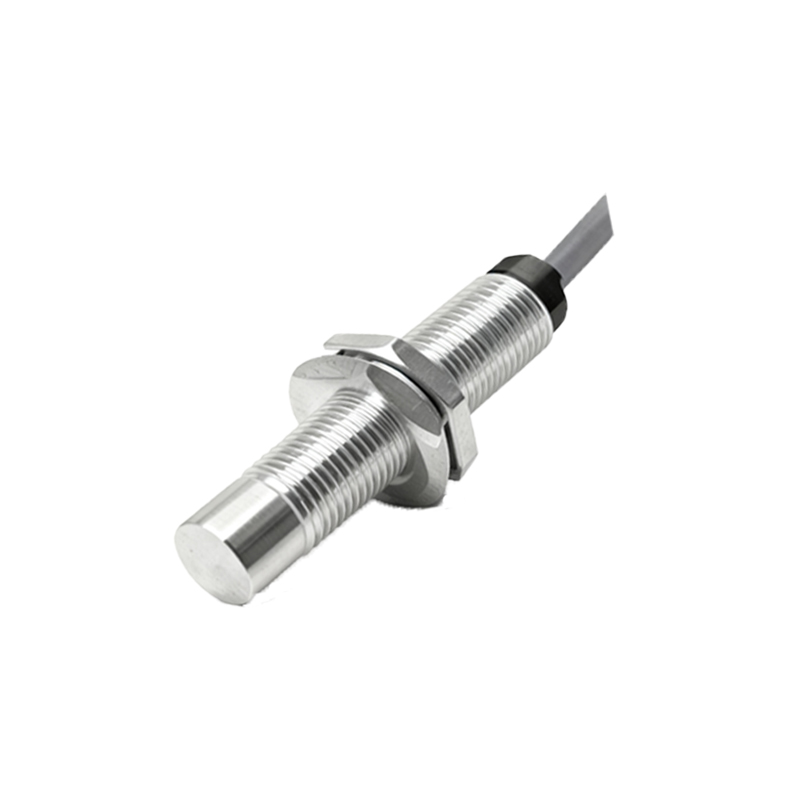
Advancements in welding proximity switch technology focus on improving durability and smart features. Newer models incorporate self-monitoring functions that alert operators to potential failures, reducing downtime. Materials like ceramic faces or Teflon coatings offer enhanced spatter resistance, while compact designs allow installation in confined spaces. As Industry 4.0 evolves, these sensors increasingly support connectivity via IO-Link or Ethernet protocols, enabling real-time data collection for predictive maintenance and process optimization. In summary, welding proximity switches are indispensable for achieving precision, safety, and efficiency in automated welding, driving productivity in sectors from automotive to heavy machinery manufacturing.