In the rapidly evolving landscape of industrial automation and IoT, smart proximity sensors have emerged as a cornerstone technology, redefining how machines interact with their environment. Unlike traditional proximity sensors that simply detect the presence or absence of an object, smart proximity sensors integrate advanced functionalities such as digital communication, self-diagnostics, parameter configurability, and data processing. This article delves into the technical merits, operational principles, and practical applications of these intelligent devices, providing a comprehensive assessment of their performance and value in modern industrial settings.
At their core, smart proximity sensors operate on the same fundamental principles as their conventional counterparts—inductive, capacitive, ultrasonic, or photoelectric sensing. However, the distinction lies in the embedded intelligence. For instance, an inductive smart proximity sensor not only detects metallic objects but can also communicate detailed information like sensing distance adjustments, temperature status, output current levels, and diagnostic alerts via standardized industrial protocols such as IO-Link, PROFINET, or EtherNet/IP. This bidirectional communication enables real-time monitoring and remote configuration, significantly reducing downtime and maintenance costs. The integration of microprocessors and memory chips allows these sensors to store parameter sets, adapt to different operating conditions, and even perform predictive maintenance by analyzing wear patterns or environmental changes.
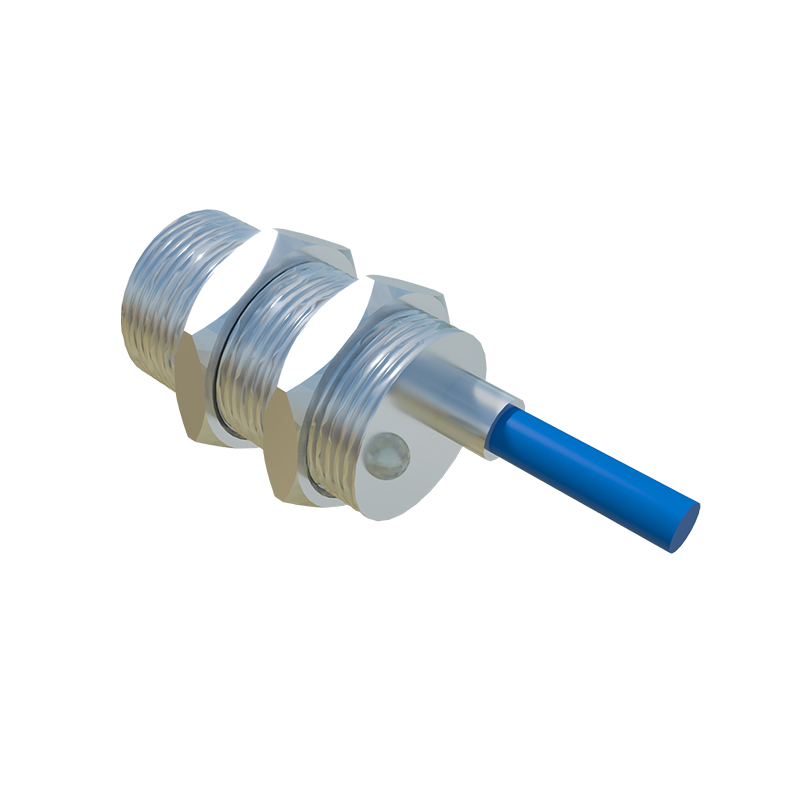
One of the most compelling advantages of smart proximity sensors is their enhanced accuracy and reliability. Through advanced signal processing algorithms, they can filter out electrical noise, compensate for temperature drifts, and minimize false triggers—common challenges in harsh industrial environments like manufacturing floors, automotive assembly lines, or food processing plants. For example, in a high-vibration setting, a smart ultrasonic sensor can dynamically adjust its sensitivity to maintain consistent detection, whereas a standard sensor might produce erratic outputs. Additionally, features like teach-in functionality (allowing quick calibration via a button or software command) simplify installation and setup, making them accessible even for less experienced technicians.
From an application perspective, smart proximity sensors are versatile across diverse sectors. In automotive manufacturing, they ensure precise positioning of robotic arms during welding or assembly, while in packaging machinery, they monitor fill levels and detect label positions with high repeatability. The logistics industry leverages them for automated guided vehicle (AGV) navigation and warehouse inventory tracking, where real-time data on object proximity is critical for efficiency. Moreover, their compatibility with Industry 4.0 frameworks facilitates seamless integration into smart factories, enabling data-driven decision-making and holistic system optimization. For instance, sensor data can be fed into cloud platforms for analytics, helping predict equipment failures or optimize production cycles.
Despite their benefits, adopting smart proximity sensors involves considerations. The initial investment is higher than for conventional sensors, primarily due to the added electronics and communication modules. However, the total cost of ownership often justifies this, as reduced maintenance, fewer wiring requirements (thanks to daisy-chaining or network setups), and improved process efficiency lead to long-term savings. Compatibility with existing control systems is another factor; while most modern PLCs and controllers support industrial Ethernet protocols, legacy systems may require gateways or adapters. Furthermore, cybersecurity becomes paramount, as networked sensors are potential entry points for cyber threats—implementing secure communication protocols and regular firmware updates is essential.
In terms of performance metrics, key parameters to evaluate include sensing range, response time, switching frequency, environmental ratings (IP67/IP69K for dust and water resistance), and operating temperature ranges. Smart sensors typically excel in these areas, with some models offering response times as low as 0.1 ms and switching frequencies up to 5 kHz, suitable for high-speed applications. Their durability in extreme conditions—whether exposed to chemicals, oils, or mechanical stress—makes them a robust choice for demanding industries.
Looking ahead, the evolution of smart proximity sensors is poised to accelerate with advancements in AI and edge computing. Future iterations may incorporate machine learning algorithms for adaptive sensing or energy-harvesting capabilities for wireless operation. As industries continue to prioritize automation and connectivity, these sensors will play an increasingly pivotal role in enabling smarter, more responsive systems.
In conclusion, smart proximity sensors represent a significant leap forward in sensing technology. By combining reliable detection with intelligent features, they enhance operational efficiency, reduce downtime, and support the transition to digitalized industrial ecosystems. For engineers and decision-makers, evaluating their specific application needs against the technical capabilities of these sensors is crucial to harnessing their full potential. While not every scenario may require such advanced functionality, in complex or data-intensive environments, smart proximity sensors prove to be a worthwhile investment, driving productivity and innovation.