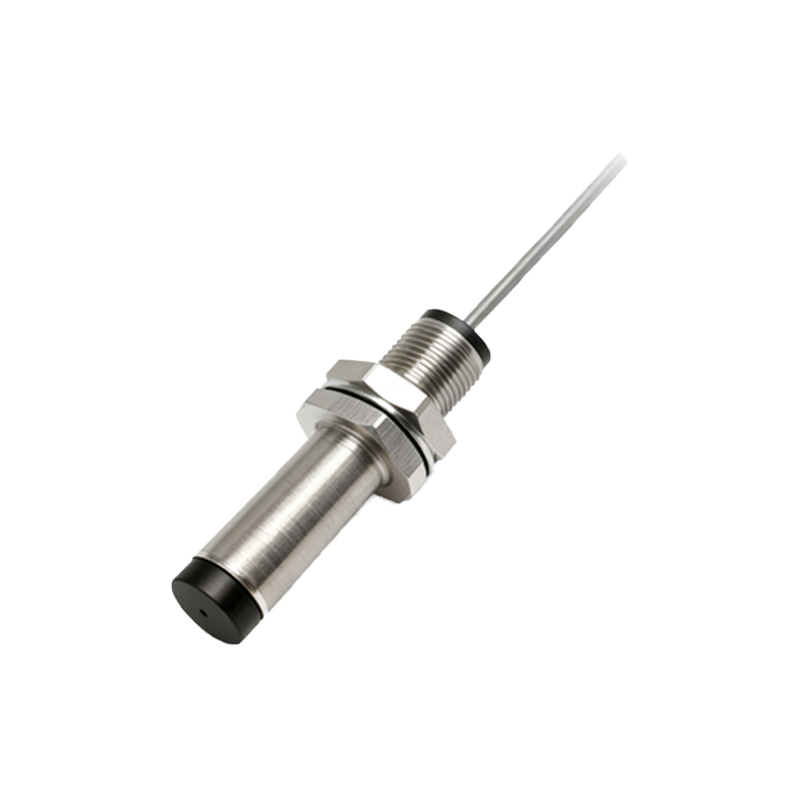
In the world of industrial automation and control systems, proximity switches are indispensable components for detecting the presence or absence of objects without physical contact. A common question among engineers and technicians is: do proximity switches have indicator lights? The answer is yes, many modern proximity sensors are equipped with built-in LED indicators, and this feature plays a crucial role in enhancing functionality, diagnostics, and operational efficiency.
Proximity switches, including inductive, capacitive, and photoelectric types, often incorporate indicator lights as a standard or optional feature. These LEDs typically serve multiple purposes. Primarily, they provide visual confirmation of the sensor's operational status. When the sensor detects a target within its sensing range, the LED illuminates, signaling that the switch is activated. This immediate feedback is invaluable during installation, alignment, and troubleshooting processes, allowing personnel to quickly verify that the sensor is functioning correctly without relying solely on control system readouts.
The indicator lights in proximity switches are designed to be highly visible, even in challenging industrial environments. They are usually located on the housing of the sensor and may emit different colors—commonly green, red, or yellow—to denote various states. For instance, a steady green light might indicate power supply integrity, while a flashing red light could signal detection activity or a fault condition. Some advanced models feature multi-color LEDs that change based on operational modes, such as teach-in functions or output switching status, providing a comprehensive at-a-glance diagnostic tool.
From a technical perspective, integrating an LED does not significantly impact the sensor's performance. Manufacturers ensure that the power consumption of the indicator is minimal, preventing interference with the sensor's primary detection circuitry. The LED circuit is often isolated to maintain the reliability and accuracy of the sensing element. Additionally, the inclusion of an indicator light aligns with industry standards for user-friendly design, facilitating easier maintenance and reducing downtime in automated systems.
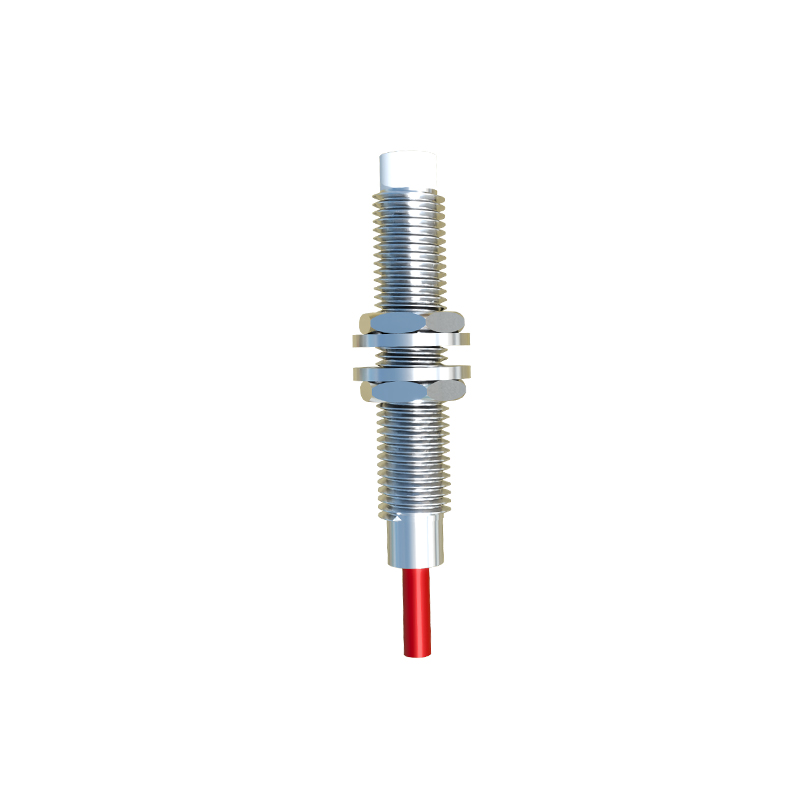
In applications where proximity switches are deployed—such as conveyor systems, robotic arms, or safety interlocks—the visual indicator enhances operational safety and efficiency. Operators can quickly identify malfunctioning sensors in a production line, enabling prompt replacements or adjustments. Moreover, during commissioning, the LED assists in fine-tuning the sensing distance and alignment, ensuring optimal performance without the need for additional diagnostic equipment.
However, it is important to note that not all proximity switches come with indicator lights. Some specialized or compact models may omit this feature to reduce size or cost, particularly in high-volume OEM applications where space is constrained. In such cases, external indicators or control panel interfaces are used for monitoring. Therefore, when selecting a proximity sensor, engineers should consider the specific requirements of the application, including whether an integrated LED is necessary for diagnostics and ease of use.
In summary, most contemporary proximity switches are equipped with indicator lights, offering clear visual feedback that supports installation, operation, and maintenance. These LEDs contribute to the overall reliability and user-friendliness of industrial sensors, aligning with the evolving demands of smart manufacturing and automation. As technology advances, we can expect further integration of diagnostic features, including enhanced indicator systems, to improve system visibility and productivity in diverse industrial settings.