In the realm of industrial automation and control systems, proximity sensors are indispensable components for detecting the presence or absence of objects without physical contact. A common question that arises among engineers and technicians is: Can proximity sensors effectively detect aluminum objects? The answer is nuanced, depending on the type of proximity sensor and the specific application requirements.
Proximity sensors primarily fall into two categories: inductive and capacitive. Inductive proximity sensors are widely used for detecting metallic objects. They operate by generating an electromagnetic field. When a metal object enters this field, it induces eddy currents, causing a change in the sensor's oscillation amplitude, which triggers detection. However, aluminum presents a unique challenge due to its electrical conductivity and permeability. Aluminum is a non-ferrous metal with lower magnetic permeability compared to ferrous metals like iron or steel. Standard inductive sensors are optimized for ferrous metals, and their sensing range for aluminum is typically reduced. For instance, if a sensor has a nominal sensing distance of 10 mm for steel, it might only detect aluminum at about 40-60% of that distance, depending on the alloy and surface conditions. To address this, specialized inductive sensors with higher frequency oscillations or factor-1 designs are available, which can improve detection reliability for aluminum by compensating for its material properties.
Capacitive proximity sensors, on the other hand, can detect both metallic and non-metallic materials by measuring changes in capacitance. They are sensitive to the dielectric constant of the target object. Aluminum, being a conductive material, can be detected effectively by capacitive sensors, often at similar ranges as other metals. However, capacitive sensors may also respond to environmental factors like humidity or dust, requiring careful calibration. In applications where aluminum detection is critical, such as in aerospace or automotive manufacturing, engineers often opt for capacitive sensors or customized inductive models to ensure accuracy.
Another consideration is the surface condition and thickness of the aluminum object. Anodized or coated aluminum surfaces can affect detection, as coatings may reduce conductivity or alter electromagnetic interactions. Thin aluminum sheets might not provide sufficient mass for reliable inductive sensing, necessitating sensor adjustments or alternative technologies like ultrasonic sensors. Ultrasonic proximity sensors use sound waves and are material-agnostic, making them suitable for aluminum detection regardless of metallic properties, though they may be influenced by temperature or air turbulence.
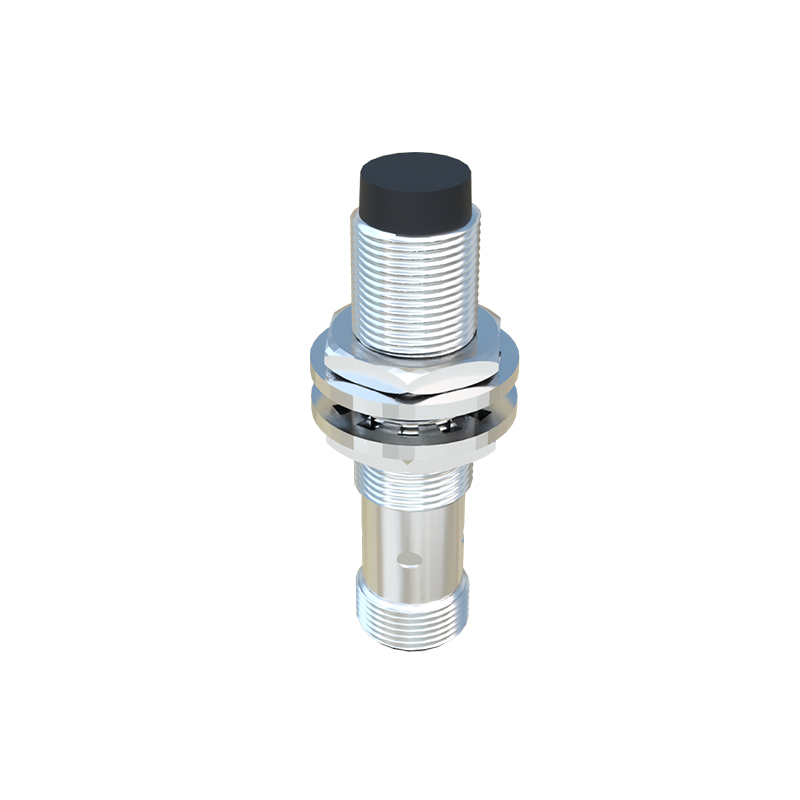
In practice, selecting the right proximity sensor for aluminum involves evaluating factors such as sensing distance, response time, environmental conditions, and cost. For example, in conveyor systems handling aluminum cans, inductive sensors with factor-1 correction are commonly employed for high-speed detection. In contrast, capacitive sensors might be preferred for monitoring aluminum liquid levels in tanks due to their sensitivity to conductive fluids. It's also essential to consult manufacturer datasheets, which often specify correction factors for different materials, including aluminum alloys like 6061 or 7075.
To optimize performance, engineers should conduct real-world testing with the actual aluminum parts, considering variables like sensor mounting, alignment, and interference from nearby metals. Regular maintenance and calibration can mitigate issues like drift or false triggers. As technology advances, smart sensors with IoT capabilities are emerging, offering enhanced diagnostics and adaptability for challenging materials like aluminum.
In summary, proximity sensors can indeed detect aluminum objects, but success hinges on choosing the appropriate sensor type and configuring it correctly. While inductive sensors may require adjustments for reduced range, capacitive and ultrasonic sensors provide versatile alternatives. By understanding the material characteristics and application demands, professionals can implement reliable detection solutions that enhance efficiency and safety in industrial settings.