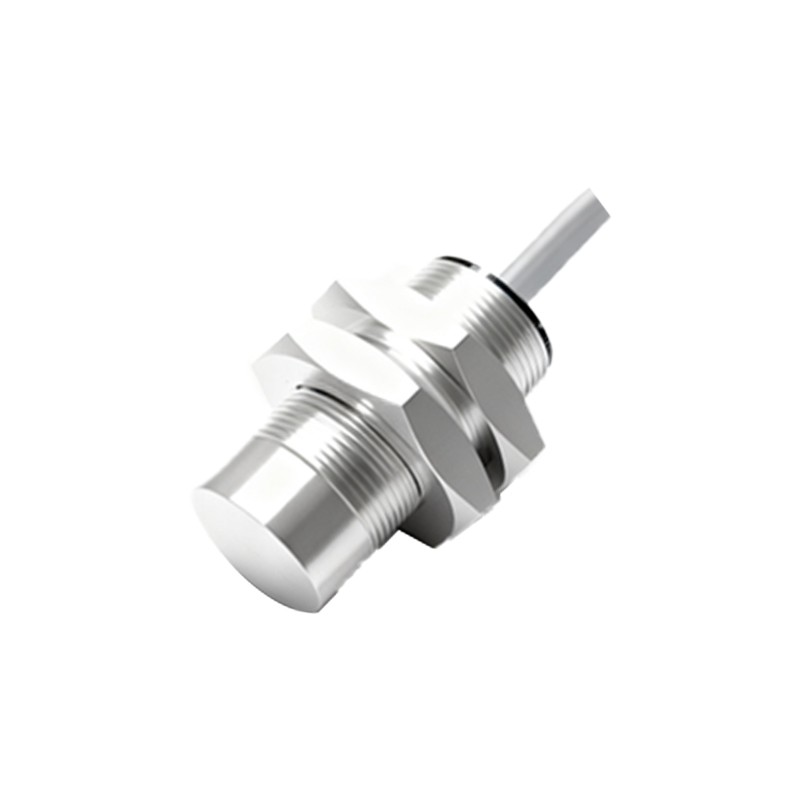
In the realm of industrial automation, proximity sensors have become indispensable components, driving efficiency, precision, and safety across various applications. These non-contact devices detect the presence or absence of objects within a specific range without physical interaction, making them ideal for harsh environments where durability and reliability are paramount. The working principle of proximity sensors is based on electromagnetic fields, capacitive changes, or ultrasonic waves, depending on the type. Inductive sensors, for instance, are widely used for detecting metallic objects, while capacitive sensors can identify both metallic and non-metallic materials. Ultrasonic sensors, on the other hand, measure distance by emitting sound waves and calculating the time taken for echoes to return.
The integration of proximity sensors in industrial settings, such as manufacturing lines, robotics, and material handling systems, has revolutionized operational workflows. They enable precise positioning of components, count items on conveyor belts, monitor machine movements, and ensure safety by halting equipment when human presence is detected in hazardous zones. This not only reduces downtime and maintenance costs but also minimizes the risk of accidents, contributing to a safer workplace. For example, in automotive assembly plants, proximity sensors are deployed to verify the correct placement of parts, ensuring quality control and consistency. In packaging industries, they facilitate automated sorting and filling processes, boosting throughput and reducing waste.
Advancements in sensor technology have led to the development of more compact, energy-efficient, and intelligent proximity sensors. Modern variants feature enhanced sensitivity, longer detection ranges, and resistance to environmental factors like dust, moisture, and temperature fluctuations. Some are equipped with digital interfaces, allowing seamless integration with programmable logic controllers (PLCs) and industrial IoT systems for real-time data analytics and predictive maintenance. This connectivity enables factories to transition towards smart manufacturing, where sensors collect data to optimize production schedules, predict equipment failures, and adapt to changing demands dynamically.
Despite their benefits, selecting the right proximity sensor requires careful consideration of factors such as the target material, detection distance, environmental conditions, and output requirements. For instance, in applications involving non-metallic objects, capacitive sensors are preferred, while inductive sensors excel in metal detection scenarios. Installation and calibration are also critical to ensure accurate performance; misalignment or interference from other electronic devices can lead to false readings. Regular maintenance, including cleaning and testing, helps sustain sensor longevity and reliability.
Looking ahead, the future of proximity sensors in industrial automation appears promising, with trends pointing towards miniaturization, wireless capabilities, and enhanced AI-driven functionalities. As industries embrace Industry 4.0, these sensors will play a pivotal role in creating adaptive, interconnected systems that prioritize efficiency and safety. By leveraging proximity sensors, businesses can achieve higher productivity, reduced operational costs, and improved compliance with safety regulations, ultimately driving innovation and competitiveness in the global market. In summary, proximity sensors are not just tools but catalysts for transformation in modern industrial landscapes, enabling smarter, safer, and more sustainable operations.