In modern industrial automation and machinery, proximity sensors are critical components for non-contact object detection, ensuring precise positioning, safety, and operational efficiency. However, these sensors are often mounted in hazardous environments where accidental impacts from moving parts, tools, or materials can occur. A sensor collision can lead to immediate failure, calibration drift, or reduced lifespan, resulting in costly downtime and maintenance. Therefore, the design and implementation of a robust anti-collision strategy for sensor brackets is not merely an accessory consideration but a fundamental engineering requirement for system reliability.
The primary function of a proximity sensor bracket is to provide a stable, precise, and repeatable mounting point. An anti-collision design extends this function by incorporating features that protect the sensor body and its sensing face from direct mechanical shock. The core principle is to manage and dissipate impact energy before it reaches the sensitive internal components of the sensor. Several design philosophies can be employed to achieve this.
First, material selection is paramount. Brackets fabricated from ductile materials like certain grades of aluminum or engineered plastics can absorb energy through deformation. While a steel bracket offers high strength, its stiffness may transmit more shock to the sensor. A strategic approach involves using a layered or composite design. For instance, a rigid aluminum bracket can be paired with energy-absorbing polyurethane or rubber isolators at the mounting points between the bracket and the machine frame, and between the bracket and the sensor itself. These isolators act as dampers, filtering out high-frequency vibrations and mitigating the force of low-speed impacts.
Second, geometric design plays a crucial role. A well-designed bracket should incorporate physical barriers or shrouds that deflect objects away from the sensor. This can be a simple bent metal plate extending beyond the sensor's face or a more elaborate tubular guard. The key is to ensure the guard does not interfere with the sensor's effective sensing range or field of view. Angling the bracket so that the sensor is not perpendicular to the most likely path of travel for potential impacts can also be effective; a glancing blow is far less damaging than a direct frontal collision.
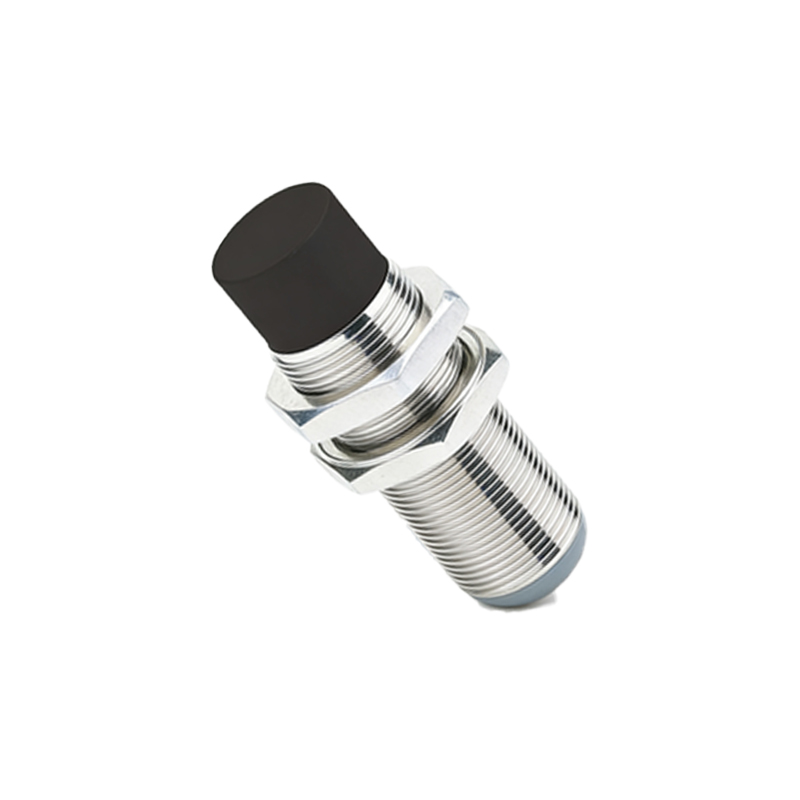
Third, the mounting strategy itself is a line of defense. Using break-away or sacrificial mounting elements is a highly effective, though more complex, solution. In this design, the bracket is attached to the machine using shear pins or frangible bolts with a carefully calculated shear strength. Upon a collision exceeding a set force threshold, these pins break, allowing the entire bracket and sensor assembly to detach and swing away, preventing damage to the sensor. The system can then be quickly reset by replacing the inexpensive shear pins. Alternatively, spring-loaded or pivoting brackets can be used, which displace upon impact and return to position automatically.
Beyond physical design, integration with the control system enhances protection. Sensors with built-in diagnostics can signal pre-failure conditions or minor misalignments. Mounting the bracket in a way that allows for easy adjustment and realignment after a minor bump is essential for maintaining accuracy. Regular preventive maintenance checks should include inspecting brackets for stress cracks, loose fasteners, and ensuring isolators have not hardened or degraded.
Environmental factors must also be considered. In corrosive atmospheres, bracket material and coating must resist degradation, as a weakened bracket fails under impact. In high-vibration environments, locking fasteners and thread-locking compounds are necessary to prevent self-loosening, which could alter the sensor's position and make it more vulnerable.
In conclusion, protecting proximity sensors from collision through intelligent bracket design is a multifaceted engineering challenge. It requires a holistic view encompassing material science, mechanical design, and system integration. The optimal solution is often a combination of energy-absorbing materials, protective geometry, and thoughtful mounting. Investing in a robust anti-collision bracket system directly contributes to increased machine uptime, reduced maintenance costs, and the long-term accuracy and reliability of the automation process. It is a clear example of where proactive mechanical design prevents reactive and expensive electrical repairs.