In the realm of industrial automation and control systems, proximity sensors are indispensable components. Their primary function is to detect the presence or absence of an object within a specified sensing range without any physical contact. This non-contact detection capability makes them ideal for harsh environments, high-speed applications, and scenarios requiring high reliability. Understanding their technical specifications is paramount for engineers to select the right sensor for a given application. This guide delves into the core technical parameters that define proximity sensor performance.
First and foremost, the Sensing Principle dictates fundamental behavior. The two most common types are Inductive and Capacitive. Inductive proximity sensors generate an electromagnetic field and detect the eddy current losses caused by metallic targets. They are exclusively for detecting metals, with different response characteristics for ferrous (like steel) and non-ferrous metals (like aluminum or copper). Capacitive proximity sensors, on the other hand, detect both metallic and non-metallic materials (plastics, wood, liquids, granules) by sensing changes in capacitance caused by the dielectric constant of the target material.
The Sensing Distance (Sn) is a critical specification. Defined as the nominal operating distance at which the sensor reliably switches under standardized conditions (typically with a defined target material and size), it is not the maximum detection range. Engineers must account for real-world factors like target material, size, temperature, and supply voltage variations. A related parameter is the Assured Operating Distance (Sa), which is a guaranteed switching distance under all permissible operating conditions, typically 0 to 81% of Sn. This is the safe distance for design purposes.
Hysteresis is a vital feature for stable switching. It is the difference between the switch-on point (as the target approaches) and the switch-off point (as the target recedes). This prevents chattering or rapid on/off cycling when a target is positioned near the sensing threshold, ensuring clean output signals.
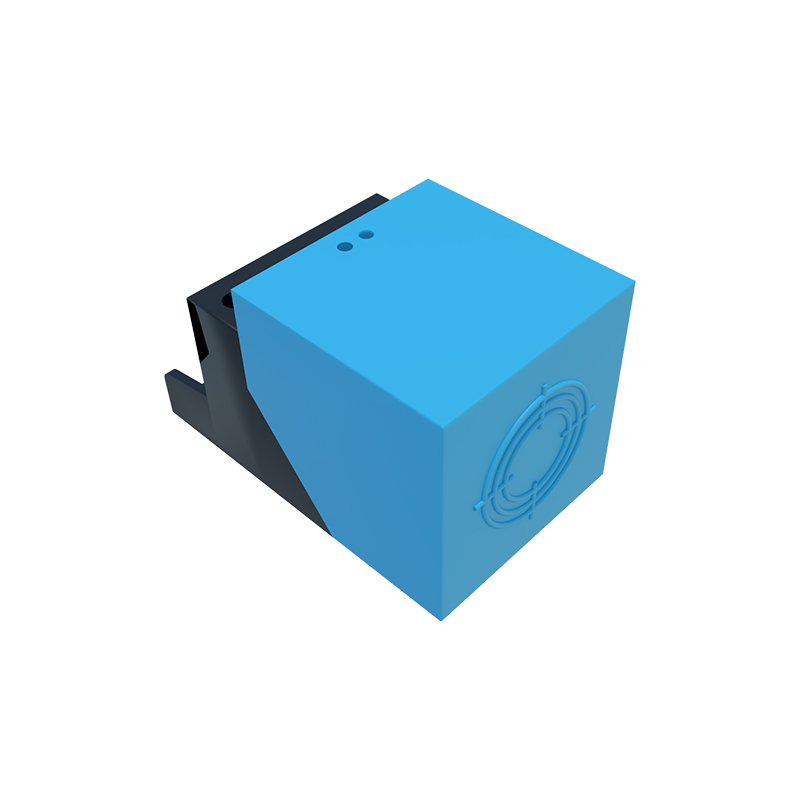
Electrical specifications are equally crucial. Supply Voltage (Ue) defines the operating voltage range (e.g., 10-30 VDC or 20-250 VAC). Output Configuration specifies whether the sensor is NPN (sinking) or PNP (sourcing) for DC models, and the type of output (e.g., normally open (NO), normally closed (NC), or complementary). The Output Current (Ie) indicates the maximum continuous load current the sensor can handle. Switching Frequency defines the maximum number of on/off cycles per second the sensor can perform, a key factor for high-speed counting or positioning applications.
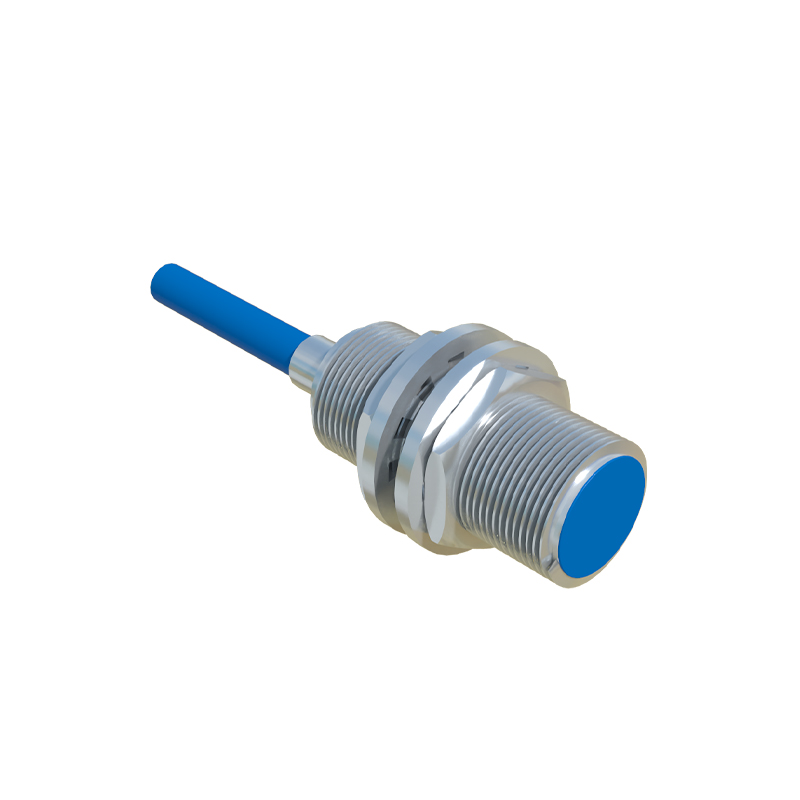
Environmental ratings ensure longevity. The Ingress Protection (IP) Rating (e.g., IP67, IP69K) indicates the level of protection against solid particles and liquids. An IP67 rating, for instance, means the sensor is dust-tight and can withstand temporary immersion in water. Temperature Range specifies the ambient operating and storage temperature limits. For inductive sensors, the Temperature Drift specification indicates how much the sensing distance may change over the permissible temperature range, often expressed as a percentage of Sn.
Mounting considerations include Flush Mounting capability. A sensor designed for flush mounting can be installed embedded in metal without false triggering from the surrounding material. Non-flush mount sensors offer a longer sensing range but require a clear lateral area. Housing Material (e.g., nickel-plated brass, stainless steel, PBT plastic) is selected based on chemical exposure, mechanical stress, and required hygiene standards.
Additional features enhance functionality. Short-Circuit Protection safeguards the sensor output from damage. Reverse Polarity Protection prevents damage if DC power wires are connected incorrectly. LED Indicators provide visual status of power and switching state for easy diagnostics. For analog output sensors, key specs include Output Signal Type (e.g., 0-10V, 4-20mA) and its corresponding Measuring Range.
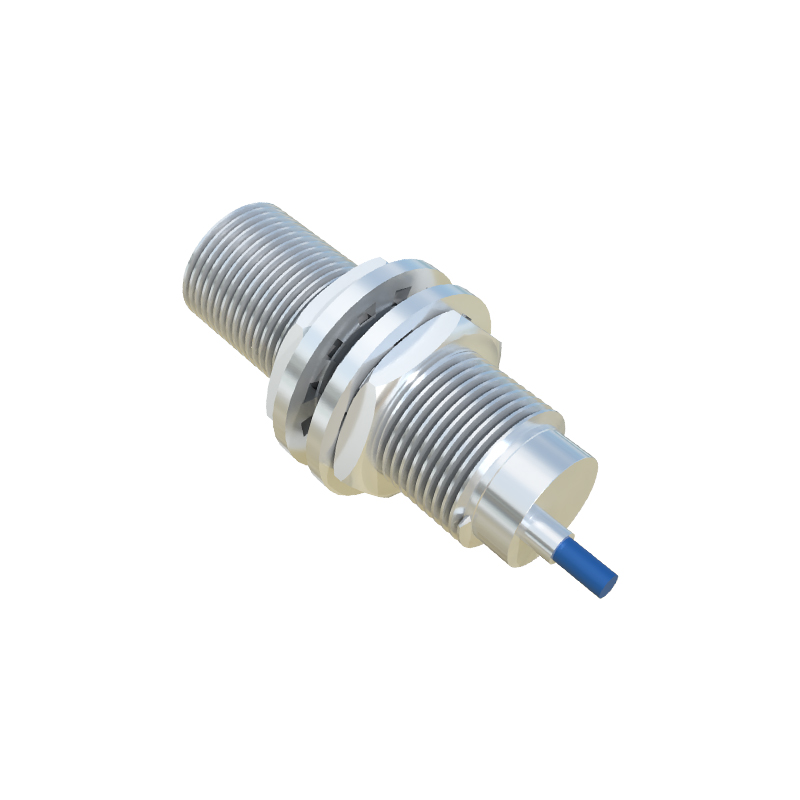
In conclusion, selecting a proximity sensor is a systematic process of matching these technical specifications to the application's demands: target material, required sensing distance, environmental conditions, electrical interface, and dynamic requirements. A thorough analysis of the datasheet parameters—Sensing Principle, Sn, Hysteresis, electrical ratings, and environmental protection—ensures optimal performance, reliability, and longevity in any automated system. Always consult manufacturer datasheets, as specifications can vary between models and brands.