In the rapidly evolving landscape of industrial automation, the Magc4 proximity light sensor stands as a pivotal innovation, redefining precision, reliability, and efficiency in diverse applications. As an electrical engineer with extensive field experience, I have witnessed firsthand how this advanced sensor technology addresses critical challenges in manufacturing, robotics, and safety systems. The Magc4 sensor utilizes a sophisticated combination of infrared light emission and reception to detect objects without physical contact, ensuring minimal wear and tear while maintaining high accuracy in harsh environments. Its robust design incorporates materials resistant to dust, moisture, and electromagnetic interference, making it ideal for sectors like automotive assembly, packaging, and material handling.
One of the key advantages of the Magc4 is its adjustable sensing range, which can be fine-tuned from a few millimeters to several meters, depending on the model. This flexibility allows engineers to customize installations for specific tasks, such as monitoring conveyor belt movements or ensuring proper alignment in robotic arms. The sensor's rapid response time, often in the microsecond range, enables real-time feedback loops that enhance process control and reduce downtime. Additionally, its low power consumption aligns with modern sustainability goals, contributing to energy-efficient operations without compromising performance.
From a technical perspective, the Magc4 operates on the principle of modulated light waves, which minimizes false triggers caused by ambient light sources. This is achieved through a built-in microprocessor that analyzes signal patterns, distinguishing between target objects and environmental noise. The sensor outputs digital or analog signals compatible with PLCs (Programmable Logic Controllers) and IoT (Internet of Things) platforms, facilitating seamless integration into smart factory ecosystems. In safety applications, such as machine guarding, the Magc4 can trigger emergency stops when intrusions are detected, protecting personnel from accidents and ensuring compliance with international standards like ISO 13849.
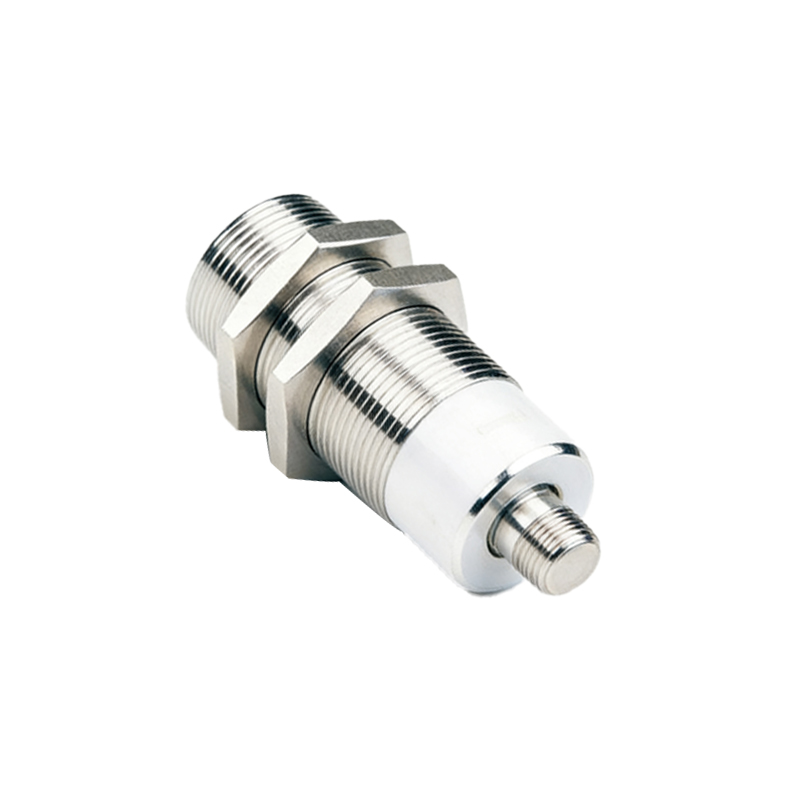
Despite its advanced features, the Magc4 is designed for ease of installation and maintenance. Many models feature LED indicators for status monitoring and simple calibration procedures that reduce setup time. However, engineers should consider factors like target material, surface reflectivity, and environmental conditions during deployment to optimize performance. For instance, dark or transparent objects may require sensor adjustments or specialized variants. Regular testing and alignment checks are recommended to sustain long-term reliability, especially in high-vibration settings.
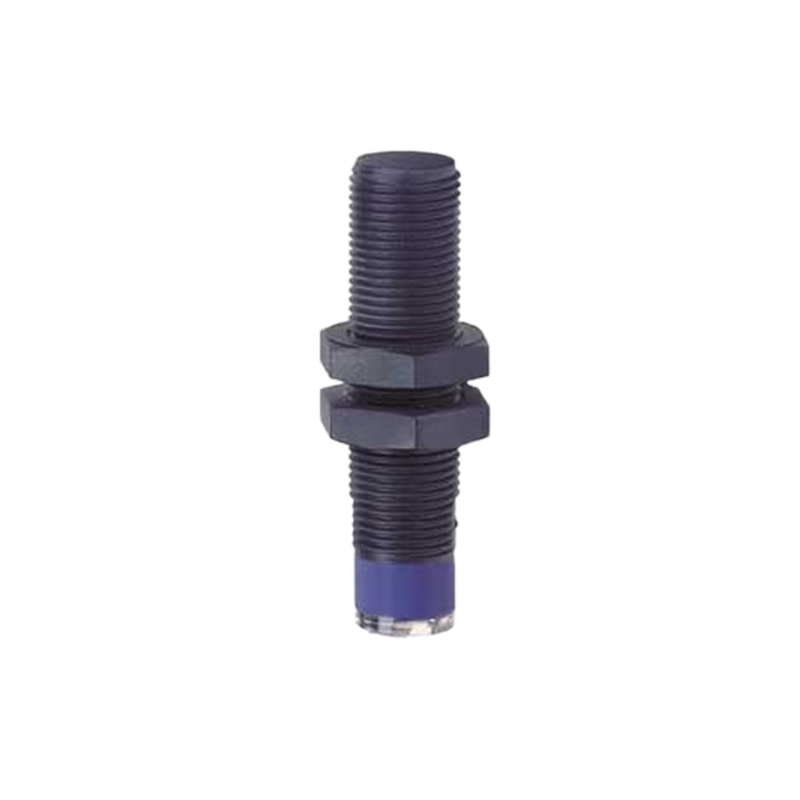
Looking ahead, the integration of Magc4 sensors with AI-driven analytics promises to unlock new potentials in predictive maintenance and quality assurance. By collecting data on operational patterns, these sensors can help identify anomalies before failures occur, minimizing costly disruptions. As industries embrace Industry 4.0, the Magc4 proximity light sensor is poised to become a cornerstone of automated systems, driving innovation while upholding safety and efficiency. For engineers and technicians, mastering its capabilities is not just an option but a necessity in staying competitive in today's dynamic market.