In the realm of sensor manufacturing, the integrity of pin connections is paramount. Laser welding has emerged as a superior method for joining sensor pins, offering unparalleled precision, repeatability, and strength. This advanced process utilizes a focused laser beam to create a high-quality weld between the pin and its substrate, typically a printed circuit board (PCB) or a ceramic housing. The non-contact nature of laser welding minimizes mechanical stress and thermal distortion, which is critical for delicate sensor components.
The process begins with precise fixturing of the sensor assembly. The pins, often made of alloys like Kovar or stainless steel, must be perfectly aligned. The laser system, typically a fiber or pulsed Nd:YAG laser, is then programmed with specific parameters: power, pulse duration, frequency, and spot size. These parameters are meticulously tailored based on the materials' thermal conductivity, reflectivity, and joint geometry. A key advantage is the localized heat input, which creates a small, controlled heat-affected zone (HAZ). This prevents damage to nearby sensitive elements, such as MEMS structures or thin-film coatings within the sensor.
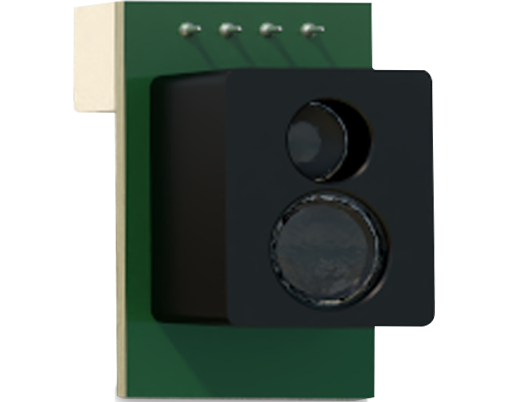
Several laser welding techniques are prevalent. Conduction welding is used for shallow, aesthetic seams where penetration is minimal. For deeper, stronger joints required in high-vibration environments, keyhole welding is employed. This technique vaporizes material to form a deep penetration weld. Furthermore, laser soldering, a variant using a filler material, is sometimes chosen for dissimilar metal joints. Real-time monitoring systems, often incorporating pyrometers or CMOS cameras, are integrated to ensure weld consistency and immediately flag defects like porosity or cracking.
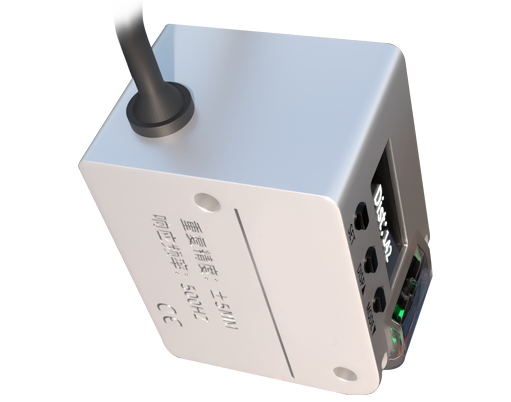
The benefits are substantial. Laser welds exhibit excellent electrical conductivity and mechanical robustness, ensuring reliable signal transmission and long-term durability under thermal cycling. The process is highly automatable, suited for high-volume production lines with consistent quality. However, challenges exist. Reflective materials can deflect energy, requiring wavelength optimization or surface treatments. Joint fit-up must be exceptionally precise, as gaps can lead to incomplete fusion. Therefore, thorough process development and validation are non-negotiable.
Best practices include implementing rigorous cleaning protocols to remove oxides and contaminants before welding, as these can cause defects. Environmental control, using argon or nitrogen shielding gas, is essential to prevent oxidation during the weld. Regular calibration of laser optics and power output is mandatory to maintain process stability. Finally, destructive and non-destructive testing—such as cross-sectioning, pull tests, and X-ray inspection—should be routine to verify weld integrity.

As sensor technology advances toward miniaturization and increased functionality, the demand for precise, reliable interconnection methods will only grow. Laser welding, with its flexibility and precision, is poised to remain a cornerstone technology in high-performance sensor assembly, enabling the next generation of industrial, automotive, and biomedical sensing devices.