In the realm of modern electronics, sensors act as the crucial interface between the physical world and digital systems. Among the most versatile and widely implemented are proximity sensors and magnetic sensors. While often mentioned in the same breath due to their non-contact detection capabilities, they operate on fundamentally different principles and serve distinct, yet sometimes complementary, roles in devices we use every day.
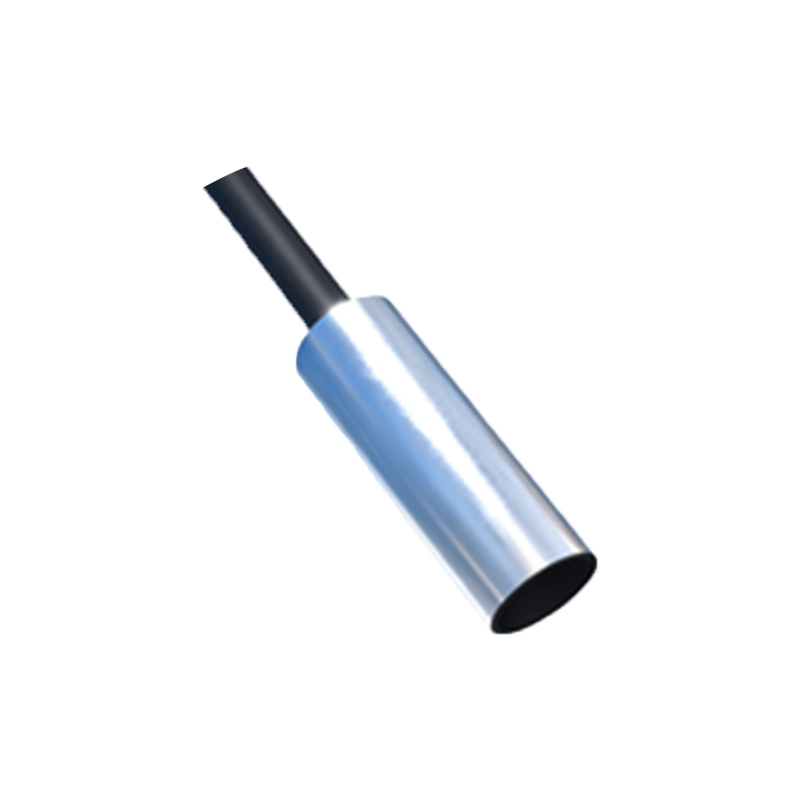
A proximity sensor is a device that detects the presence or absence of an object within a certain range without physical contact. The most common type found in consumer electronics is the infrared (IR) proximity sensor. It typically consists of an IR LED that emits an infrared beam and a photodiode that detects its reflection. When an object comes close, the reflected IR light is sensed, triggering a response. This technology is ubiquitous in smartphones, where it deactivates the touchscreen during a call to prevent accidental cheek presses, conserving battery and improving usability. Other types include capacitive proximity sensors, which detect changes in an electrical field caused by conductive objects, and ultrasonic sensors, which use sound waves. These are common in industrial automation, touchless faucets, and automotive parking assistance systems.
On the other hand, a magnetic sensor, specifically a Hall-effect sensor, detects changes in a magnetic field. When a magnet or a magnetic field is brought near the sensor, it generates a voltage proportional to the field's strength. This voltage is then interpreted by a circuit. This principle enables a vast array of applications. In smartphones and laptops, a Hall-effect sensor works with a small magnet in a flip cover to automatically sleep and wake the device. In automotive systems, they are indispensable for measuring wheel speed for anti-lock braking systems (ABS), detecting crankshaft position, and in electric window mechanisms. Furthermore, they form the basis for modern digital compasses (magnetometers) and are critical in brushless DC motors for precise control of the rotor's position.
The convergence of these technologies is where things get particularly interesting. Some advanced systems employ both. For instance, a laptop might use an IR proximity sensor to detect when a user is present to keep the screen on, while also using a Hall-effect sensor to determine if the lid is closed. In industrial settings, a magnetic sensor might be used for coarse positional detection of a machine part, while a proximity sensor provides fine, final alignment. This hybrid approach leverages the strengths of each: magnetic sensors are excellent for robust, long-range detection through non-magnetic barriers, while certain proximity sensors can detect a wider variety of materials with high precision at shorter ranges.
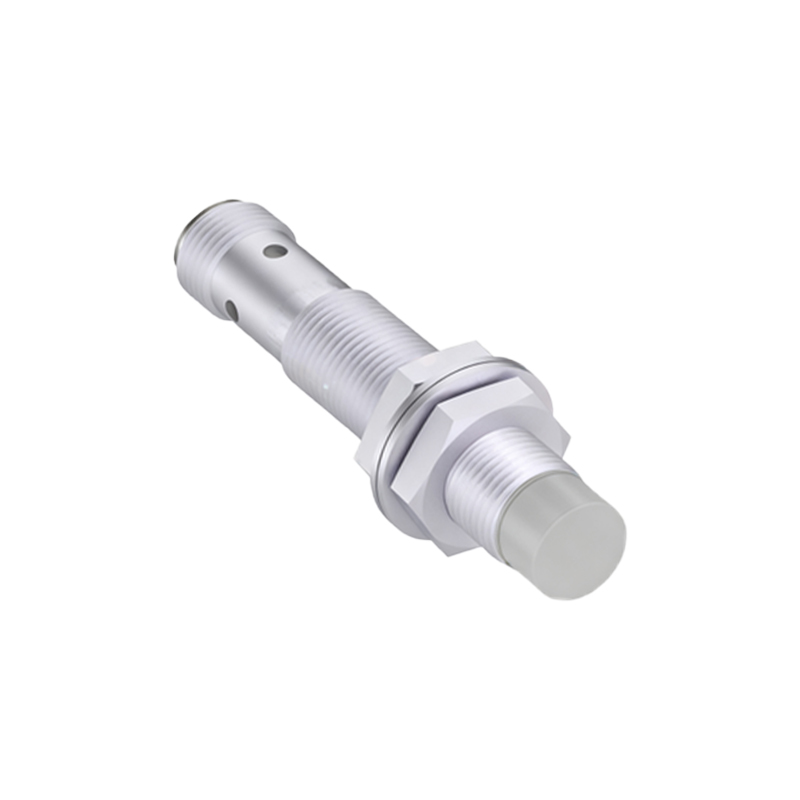
When selecting a sensor for an application, engineers must consider several factors. The nature of the target object is paramount. Is it metallic, magnetic, plastic, or organic? Magnetic sensors require a magnetic field, so they are ideal for detecting magnets or ferrous metals. IR proximity sensors can detect most solid objects but may struggle with transparent or highly reflective surfaces. Environmental conditions like dust, moisture, or ambient light also play a critical role. Inductive proximity sensors (a subtype that detects metals) and Hall-effect sensors are generally more immune to such contaminants than optical-based proximity sensors. Finally, requirements for range, response speed, power consumption, and cost dictate the final choice.
The evolution of these sensors continues to drive innovation. Miniaturization through Micro-Electro-Mechanical Systems (MEMS) has allowed magnetometers and proximity sensors to become standard in every smartphone. Future trends point towards increased integration, lower power consumption for IoT devices, and smarter sensors with embedded processing capabilities. For example, next-generation proximity sensors may incorporate time-of-flight (ToF) technology to not only detect presence but also accurately map distance and even simple gestures in three dimensions.
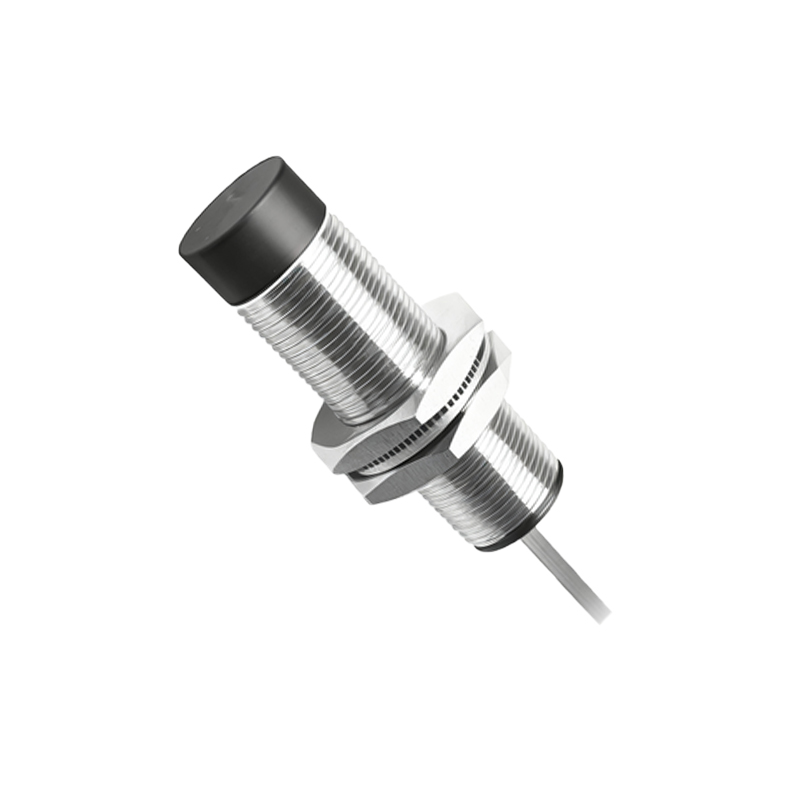
In conclusion, proximity sensors and magnetic sensors are foundational pillars of interactive and automated technology. From the simple act of your phone screen turning off during a call to the complex orchestration of an automotive assembly line, these silent sentinels translate physical phenomena into actionable digital data. Understanding their distinct operational principles—light/field reflection versus magnetic field disturbance—is key to appreciating their pervasive role and harnessing their potential in designing the intelligent systems of tomorrow. Their continued development will undoubtedly unlock new levels of convenience, efficiency, and interaction between humans and machines.