Manual sensor proximity switches represent a fundamental category of non-contact sensing devices widely employed across industrial automation and control systems. Unlike their automated counterparts that might be integrated into complex feedback loops, these switches are typically manually initiated or their sensing parameters are manually configured, offering a high degree of operator control for specific tasks. Their primary function is to detect the presence or absence of a target object within a defined sensing range without any physical contact, thereby eliminating mechanical wear and tear and enabling reliable operation in harsh environments.
The core technology behind most manual proximity switches is based on electromagnetic or capacitive principles. Inductive proximity switches are the most common type used for detecting metallic objects. They generate an oscillating electromagnetic field from a coil within the sensor head. When a conductive metal target enters this field, eddy currents are induced in the target, which dampens the oscillation. An internal circuit detects this change and triggers a solid-state output switch. The sensing distance, or "range," for these devices is often manually adjustable via a potentiometer or DIP switches on the unit, allowing an operator to fine-tune sensitivity to avoid false triggers from background metals or to detect specific metal types. For non-metallic targets like liquids, plastics, or wood, capacitive proximity switches are utilized. These generate an electrostatic field and detect changes in capacitance caused by the target material. Their sensitivity to different materials and detection distances can also be manually calibrated.
The term "manual" in this context frequently refers to the setup and adjustment phase rather than the continuous mode of operation. Key manual adjustments include:
1. Sensing Range Calibration: Operators can manually set the precise distance at which the switch activates, crucial for applications with varying target sizes or positions.
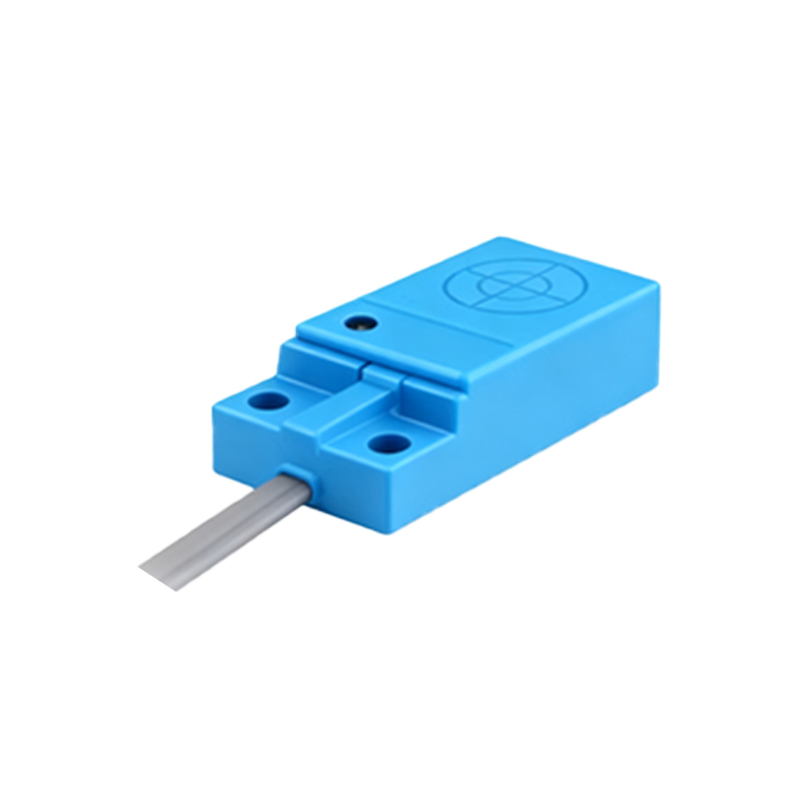
2. Output Configuration: Many models allow manual selection between Normally Open (NO) and Normally Closed (NC) output logic via a switch.
3. Response Time Adjustment: In some advanced units, the response speed can be manually slowed down or sped up to filter out signal noise or vibration.
4. Teaching/Mode Selection: Certain "teachable" sensors require a manual "teach" procedure where the sensor is presented with the target to learn and memorize its detection parameters.
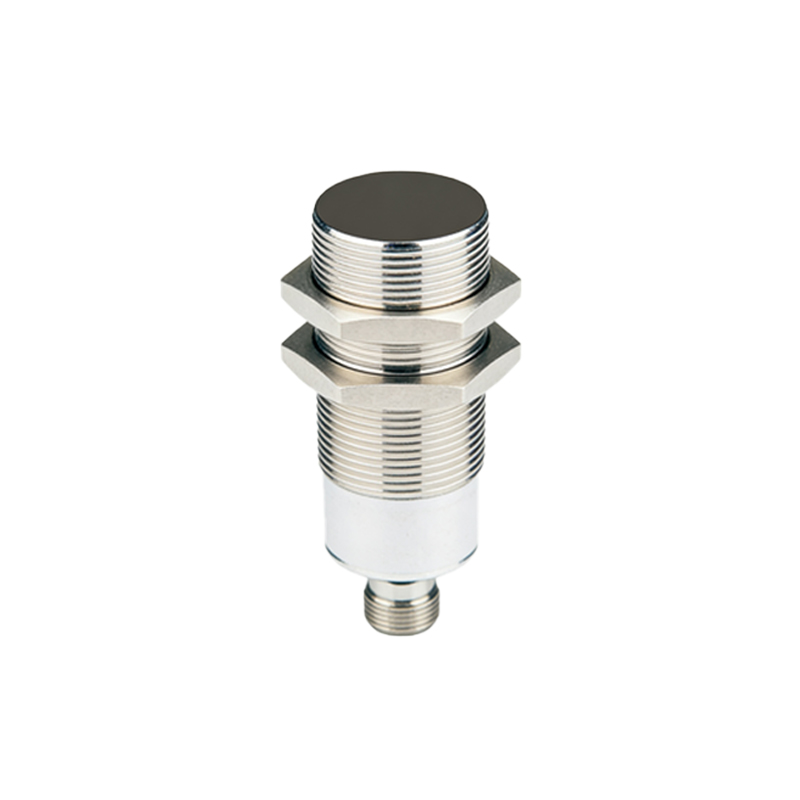
The advantages of using manual sensor proximity switches are significant. Their non-contact nature ensures a long operational life with minimal maintenance. They are highly resistant to environmental contaminants such as dust, oil, and moisture, especially those with high Ingress Protection (IP) ratings. The manual adjustability provides exceptional flexibility, enabling one sensor model to be adapted for multiple applications on the same production line simply by tweaking its settings. Furthermore, they offer fast response times, capable of detecting objects at high speeds, which is essential for counting, sorting, and speed monitoring applications.
In practical industrial applications, manual proximity switches are ubiquitous. They are commonly used as limit switches to determine the end-of-travel position of a machine part, such as a robotic arm or a conveyor gate. On assembly lines, they verify the presence of components, count passing items, or check for correct orientation. In packaging machinery, they ensure proper fill levels in containers. Machine safety systems often incorporate them as interlock switches to confirm that safety guards are closed before initiating a machine cycle. Their manual configurability is particularly valuable in prototyping, small-batch production, or maintenance scenarios where conditions may change frequently, and a versatile, adjustable sensor is more cost-effective than a fixed, application-specific one.
When selecting a manual proximity switch for a project, several critical factors must be considered. The first is the sensing technology: inductive for metals, capacitive for non-metals and liquids. The required sensing distance must be chosen with a safety margin, as environmental factors like temperature can affect performance. The housing material and shape (barrel, rectangular, etc.) should suit the physical installation space and environmental hazards. Electrical characteristics are paramount, including the operating voltage (e.g., 10-30V DC, 90-250V AC), output type (PNP/NPN for DC, relay for AC), and current rating. Finally, the connector type or cabling method must be compatible with the existing control system.
Installation and maintenance are straightforward but require attention to detail. Sensors should be mounted securely to prevent vibration-induced errors. It is crucial to ensure that only the intended target enters the sensing field; adjacent metal structures or moving parts can cause interference, which may require manual re-adjustment of the sensitivity. Regular functional checks are recommended to verify that the sensing distance and output signal remain consistent over time. Cleaning the sensor face from accumulated debris is often the only maintenance needed.
In conclusion, manual sensor proximity switches are indispensable, versatile tools in industrial automation. Their ability to provide reliable, non-contact detection combined with manual configurability for range, sensitivity, and output makes them adaptable to a vast array of control and monitoring tasks