In the world of industrial automation and machinery, proximity switch sensors are indispensable components. These non-contact sensors detect the presence or absence of an object within their sensing range without any physical contact. Their reliability, long operational life, and ability to function in harsh environments make them a cornerstone of modern control systems. Unlike mechanical limit switches, they have no moving parts to wear out, leading to minimal maintenance and high repeatability. This article explores the common types, fundamental working principles, key applications, and practical considerations for selecting the right proximity sensor for a specific task.
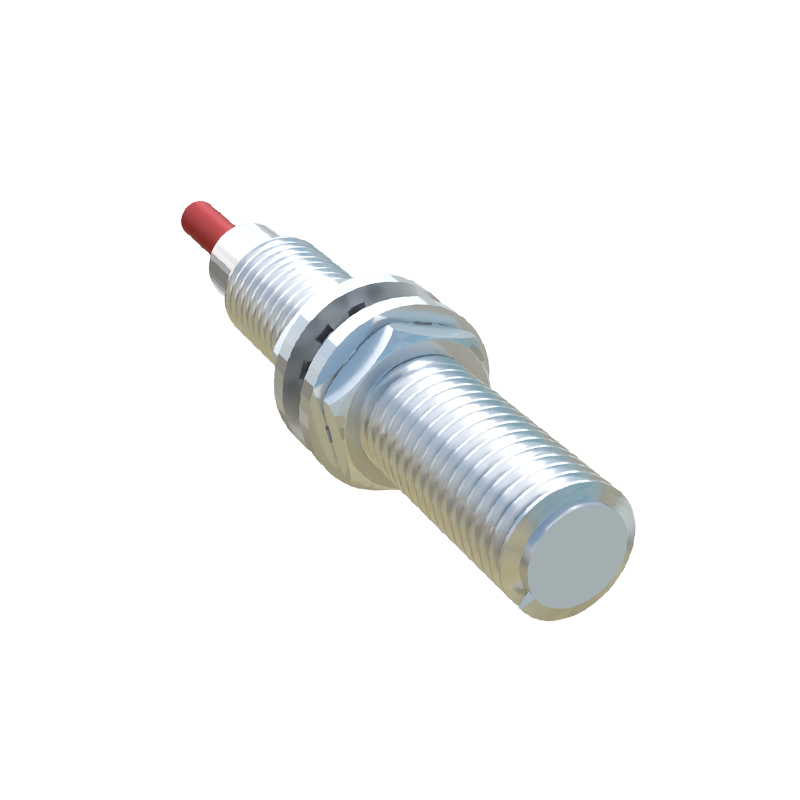
The operation of a proximity sensor is based on the disturbance of an electromagnetic field, sound wave, or light beam. The most prevalent technology is the inductive proximity sensor. Designed to detect metallic objects, typically ferrous metals like steel and iron, these sensors generate an oscillating electromagnetic field from a coil at their face. When a metal target enters this field, eddy currents are induced in the target, which dampens the oscillation of the sensor's circuit. This change is detected by the sensor's circuitry, triggering a solid-state output switch. Inductive sensors are highly robust, immune to dust, oil, and dirt, and are ideal for counting metal parts, determining position in machinery, or as end-of-travel detectors.
For applications requiring detection of non-metallic materials, capacitive proximity sensors are the tool of choice. They can detect a wide variety of materials including liquids, plastics, wood, glass, and granular substances. Their principle involves generating an electrostatic field between two electrodes. Any object entering this field alters the capacitance of the system, which is measured to trigger an output. This makes them perfect for level detection in tanks (liquid or solid), material handling, and detecting filled vs. empty containers on a production line. However, they can be more sensitive to environmental factors like humidity compared to inductive types.
Another major category is the photoelectric proximity sensor. These operate by emitting a beam of light (visible, infrared, or laser) and detecting changes in the received light. They are further divided into three main configurations. The through-beam type consists of separate emitter and receiver units; an object is detected when it breaks the light beam. This type offers the longest sensing range and high reliability. The retro-reflective type uses a single unit that emits light and a reflector that bounces it back; detection occurs when the beam is interrupted. The diffuse or proximity type has the emitter and receiver in one housing and detects an object by the light reflected directly from the target itself, making it simpler to install but with a shorter range. Photoelectric sensors are versatile for detecting objects of almost any material, color, or shape and are widely used in packaging, conveyor systems, and safety curtains.
Ultrasonic proximity sensors complete the common quartet. They work on a principle similar to sonar, emitting high-frequency sound waves and evaluating the echo reflected from a target. By measuring the time between emission and reception of the echo, they can determine the presence and distance of an object. Their key advantage is the ability to detect objects regardless of color, transparency, or material, making them excellent for clear glass detection, liquid level sensing, and applications with challenging surfaces. They can also handle dirty environments well but may be affected by temperature gradients or wind.
Selecting the appropriate proximity sensor requires careful analysis of the application parameters. The primary factors include the target material (metal, plastic, liquid), the required sensing distance (nominal range and any safety factor), the output type needed (NPN/PNP, NO/NC for compatibility with PLCs or controllers), the operating environment (temperature, presence of chemicals, washdown requirements), the electrical specifications (supply voltage, current consumption), and the physical size and mounting style (threaded barrel, rectangular). For instance, an inductive sensor would be specified for detecting a steel gear tooth, while a capacitive sensor would be chosen to sense the level of plastic pellets in a hopper.
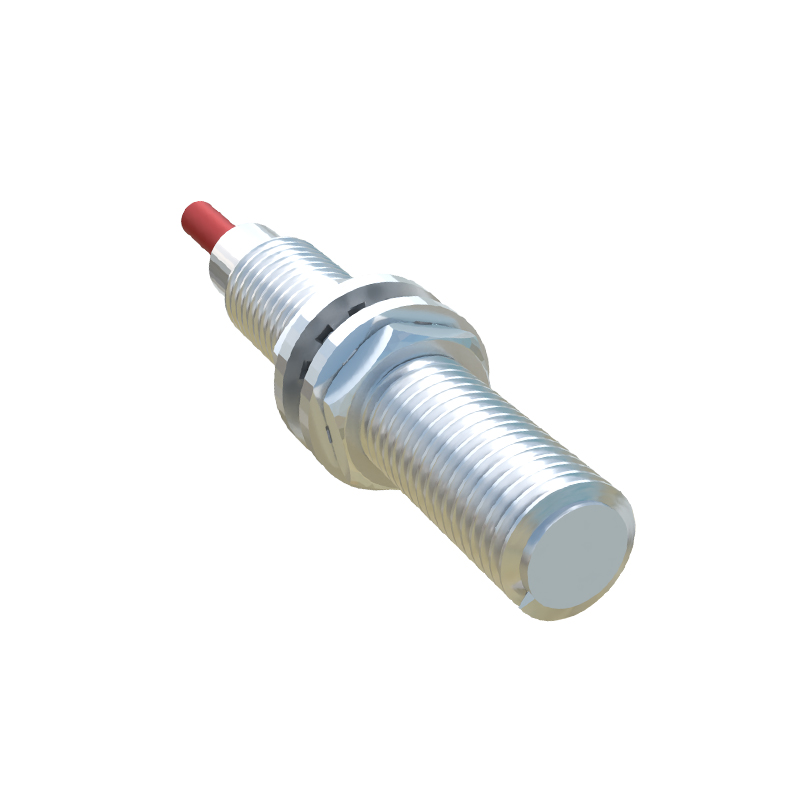
Installation is critical for optimal performance. Sensors must be mounted securely to avoid vibration-induced errors. For inductive and capacitive sensors, maintaining the correct "dead zone" around the sensing face is essential to prevent false triggers from the mounting bracket itself. Environmental factors like adjacent sensors, strong magnetic fields, or welding equipment can cause interference and must be considered during system design. Regular testing and maintenance, though minimal, ensure long-term reliability.
In conclusion, proximity switch sensors are vital enablers of automation, providing precise, reliable, and non-contact detection. Understanding the distinct capabilities of inductive, capacitive, photoelectric, and ultrasonic types allows engineers and technicians to deploy the most effective solution. By matching the sensor's technology to the target material and environmental conditions, systems achieve higher efficiency, reduced downtime, and improved safety. As technology advances, these sensors continue to evolve with enhanced intelligence, connectivity, and robustness, further solidifying their role