Distance proximity sensors are essential components in modern automation, robotics, and safety systems. These devices detect the presence or absence of objects within a specific range without physical contact, providing reliable data for control and monitoring. The structure of a typical distance proximity sensor is engineered for precision, durability, and adaptability across various environments.
At its core, a distance proximity sensor consists of several key structural elements. The housing or casing, usually made from materials like plastic, metal, or ceramic, protects internal components from external factors such as dust, moisture, and mechanical impact. This enclosure ensures the sensor's longevity and consistent performance in industrial settings.
Inside the housing, the emitter and receiver form the functional heart of the sensor. In ultrasonic sensors, the emitter generates high-frequency sound waves, while the receiver captures echoes reflected from objects. The time delay between emission and reception is calculated to determine distance. In infrared (IR) sensors, an IR LED emits light, and a photodiode or phototransistor detects reflected signals, with intensity variations indicating proximity. Inductive sensors, used for metal detection, rely on a coil and oscillator circuit that changes frequency when metal objects enter the electromagnetic field.
Supporting electronics, including a signal processor, amplifier, and output interface, are integrated into the sensor's structure. The processor analyzes raw data from the receiver, filtering noise and converting it into usable distance measurements. Amplifiers boost weak signals for accurate detection, while output interfaces—such as analog voltage, current loops, or digital protocols like IO-Link—transmit results to controllers like PLCs or microcontrollers.
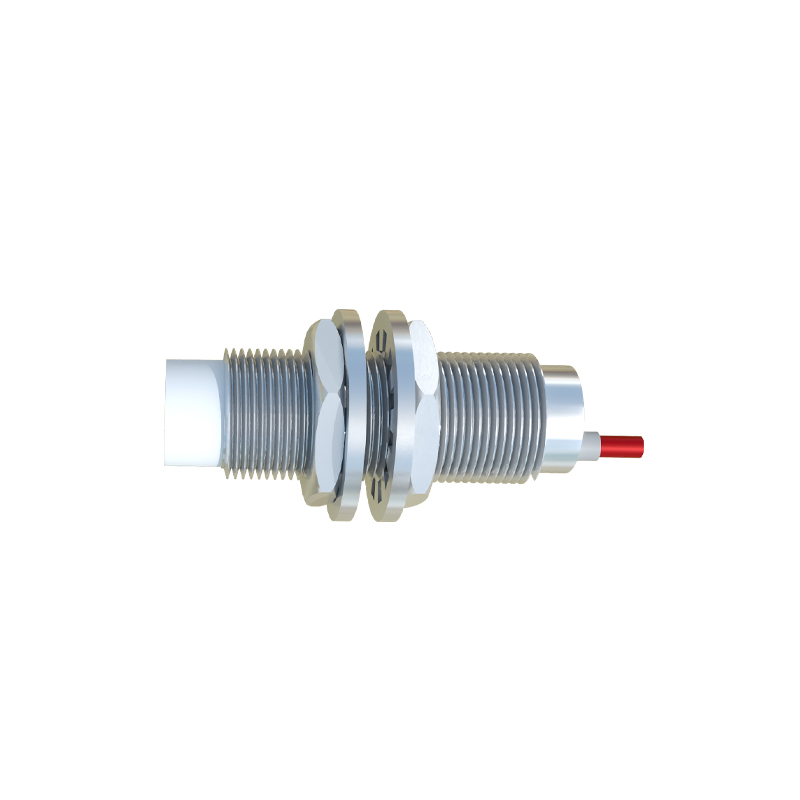
The sensor's front face, often a lens or window, is critical for signal transmission. Ultrasonic sensors use a transducer membrane, while optical sensors employ lenses to focus light. This component must be kept clean to prevent false readings. Mounting features, such as threads, brackets, or flanges, allow easy installation in machinery, vehicles, or assembly lines.
Advanced sensors may include additional structural features for enhanced functionality. Temperature compensation circuits adjust for environmental changes, ensuring accuracy in varying conditions. Some models incorporate housing with IP ratings for waterproof or dustproof operation. Self-diagnostic functions, enabled by built-in microcontrollers, monitor sensor health and alert users to issues like contamination or misalignment.
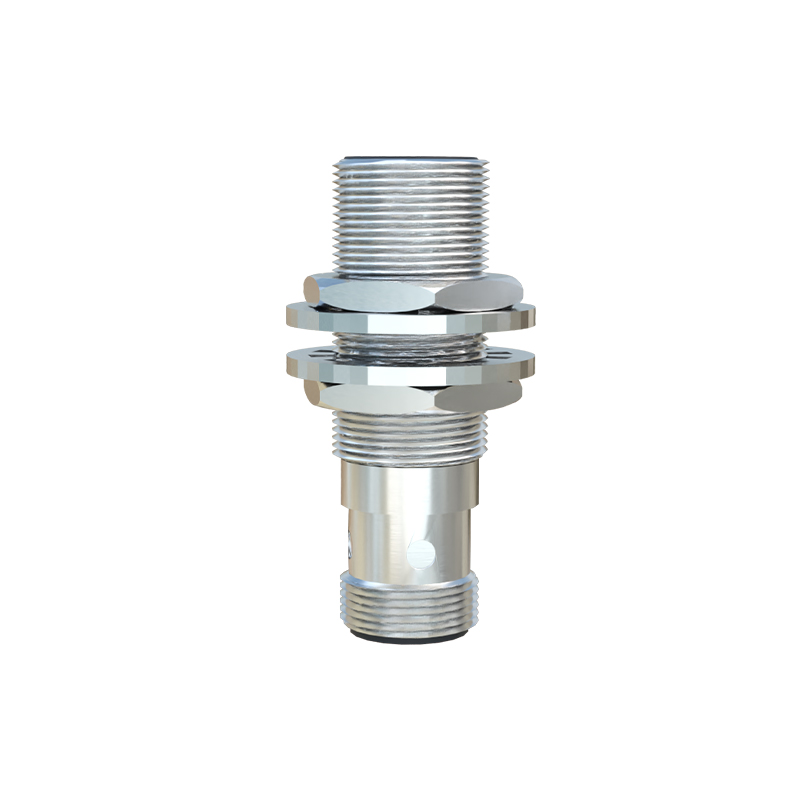
The working principle varies by technology but follows a common sequence: emission, reflection, reception, and processing. Ultrasonic sensors measure time-of-flight, IR sensors use triangulation or intensity methods, and inductive sensors detect eddy currents. Each design balances range, resolution, and response time—for example, ultrasonic sensors suit longer ranges, while inductive types excel in short-range, high-speed applications.
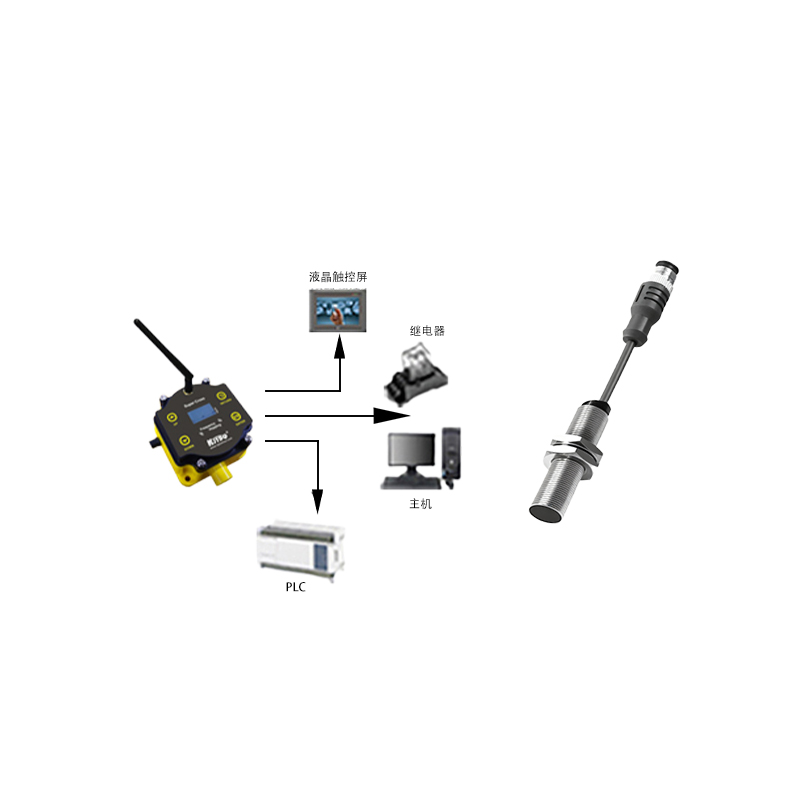
In practice, structural design considers application demands. Automotive parking sensors use compact, weather-resistant housings with wide detection angles. Industrial robots employ sensors with robust metal casings and high-frequency response for collision avoidance. Consumer electronics, like smartphones, integrate miniature IR sensors for gesture control, requiring slim profiles and low power consumption.
Maintenance of sensor structure involves regular cleaning of the front face and checking connections. Environmental factors like temperature extremes, vibration, or electromagnetic interference can affect performance, so selecting sensors with appropriate structural ratings is crucial. Calibration during installation ensures alignment with target objects, maximizing accuracy.
Innovations in materials and miniaturization continue to evolve sensor structures. MEMS technology enables tiny, low-cost sensors for IoT devices, while smart sensors with embedded connectivity support Industry 4.0 automation. Regardless of advances, the fundamental structure—housing, emitter/receiver, electronics, and interface—remains central to reliable operation.
By understanding the intricate structure of distance proximity sensors, engineers and users can optimize their selection and deployment, enhancing efficiency and safety in diverse applications from manufacturing to daily life.