Proximity sensors are ubiquitous in modern industry, silently ensuring safety, enabling automation, and providing critical data in countless applications. From manufacturing assembly lines and robotic arms to consumer devices like smartphones, their ability to detect the presence or absence of an object without physical contact is invaluable. However, like any electronic component, they are not infallible. Understanding why a proximity sensor fails is key to minimizing downtime, ensuring safety, and maintaining operational efficiency.
One of the most prevalent causes of failure is environmental contamination. Proximity sensors often operate in harsh conditions where they are exposed to dust, metal shavings, oil, coolant, or other conductive or non-conductive debris. For inductive sensors (common for metal detection), a buildup of metallic swarf can effectively "bridge" the sensing face, creating a false signal or causing the sensor to latch on. Similarly, capacitive sensors (used for non-metallic materials) can be triggered by dust or moisture accumulation on their surface. In washdown environments, chemical corrosion or the ingress of water due to failed seals can lead to short circuits and internal component damage. Regular cleaning according to manufacturer specifications and selecting sensors with appropriate Ingress Protection (IP) ratings for the environment are crucial preventive measures.
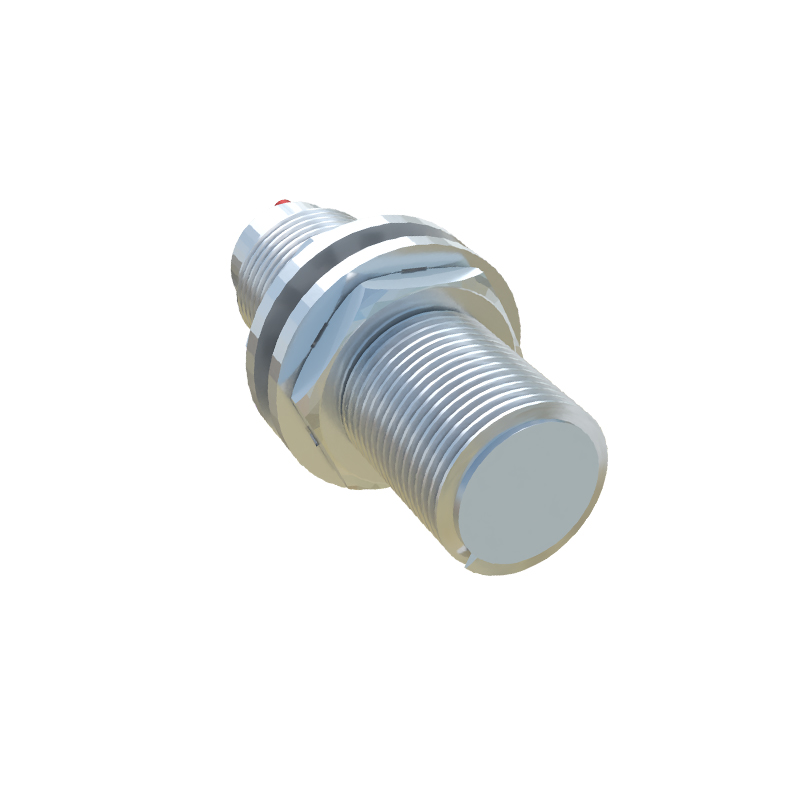
Electrical issues constitute another major failure category. Voltage spikes and surges on the power supply line, often from nearby heavy machinery like motors or solenoids switching on and off, can overwhelm the sensor's internal circuitry. This can instantly destroy sensitive components or gradually degrade them over time. Incorrect wiring is a common installer error—connecting a sinking (NPN) sensor to a sourcing (PNP) input module, or applying AC voltage to a DC-only sensor, will lead to immediate malfunction or permanent damage. Ensuring stable, clean power through proper filtering or isolation, along with meticulous adherence to wiring diagrams, is essential. Additionally, excessive load current, where the sensor's output is asked to switch a load beyond its rated capacity, can overheat and burn out the output transistor.
Physical damage, though sometimes obvious, is a frequent culprit. Mechanical impact from tools, workpieces, or moving equipment can crack the sensor housing, damage the sensing face, or misalign internal components. Even without a direct hit, constant excessive vibration can loosen internal connections, fracture solder joints, or cause premature wear. Selecting a sensor with a robust housing material (like stainless steel), proper mounting to minimize vibration, and using protective guards in high-risk areas can mitigate these risks. The sensing distance is also critical; operating a sensor too close to its target can cause physical wear on the face, while mounting it too far away may push it beyond its specified range, leading to unreliable detection.
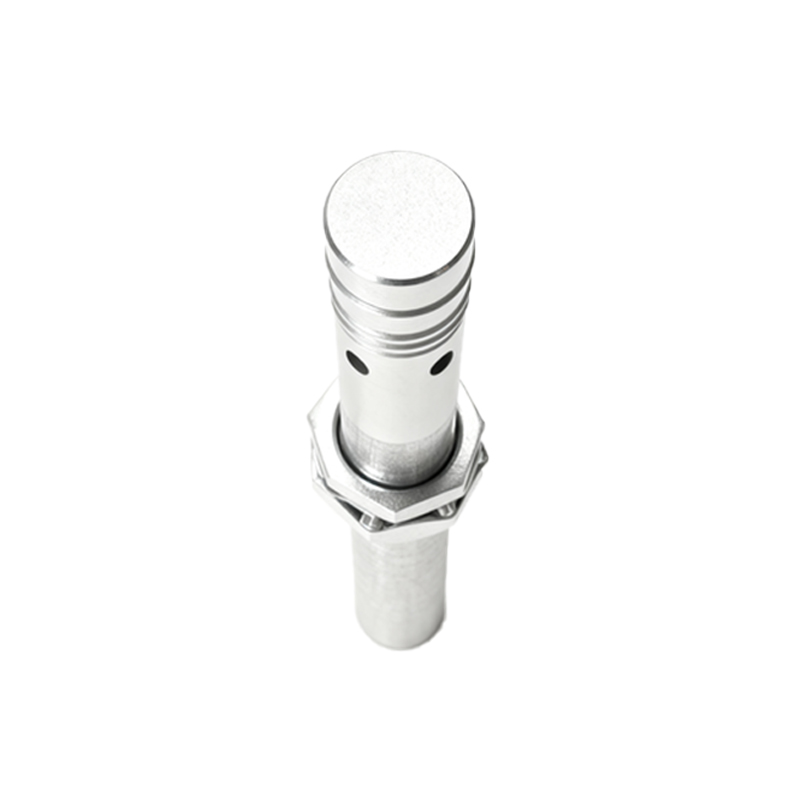
Internal component degradation over time is an inevitable factor. The oscillator circuit in an inductive sensor, the core of its detection capability, can drift with age and temperature fluctuations. Output switching elements, like transistors or relays, have a finite lifecycle based on their electrical load and switching frequency. While solid-state electronics are generally reliable, capacitors can dry out, and other components can fail due to prolonged thermal stress. This type of failure is often gradual, manifesting as intermittent operation, reduced sensing range, or eventual complete failure. Following the sensor's duty cycle recommendations and operating within its specified temperature range can extend its service life.
Finally, interference and improper application can mimic sensor failure. Electromagnetic interference (EMI) from welding equipment, radio transmitters, or variable frequency drives can induce false signals in the sensor or its cabling. Using shielded cables, proper grounding, and maintaining distance from strong EMI sources are effective countermeasures. Perhaps the most straightforward yet common issue is selecting the wrong sensor for the job. Attempting to detect a small aluminum object with a standard inductive sensor designed for steel will yield poor results, as aluminum is non-ferrous and has a much smaller "reduction factor." Similarly, using a standard sensor to detect a very fast-moving object might miss it if the sensor's response time is too slow. A thorough understanding of the target material, size, required sensing distance, and environmental conditions is necessary for correct sensor selection.
Diagnosing a failed sensor typically involves a systematic approach: verifying power supply voltage, checking for physical damage or contamination, inspecting wiring and connections, testing with a known-good target at the correct distance, and using a multimeter to monitor the output signal. Often, the solution is as simple as cleaning the sensing face, securing a loose wire, or replacing a sensor with one better suited to the environment. By recognizing these common failure modes—environmental, electrical, physical, age-related, and application-based—maintenance personnel and engineers can proactively address issues, ensuring that these critical components continue to perform reliably, safeguarding both people and processes.