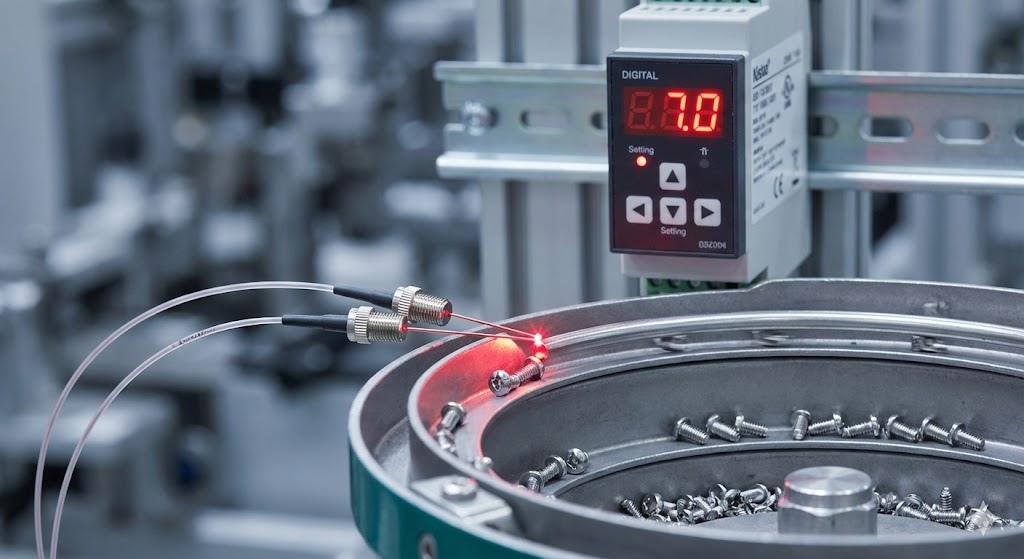
In the vast landscape of industrial automation and smart systems, the ability to detect the presence or absence of an object without physical contact is fundamental. While traditional inductive proximity sensors have long been the workhorse for detecting metals, a significant portion of modern manufacturing and processing involves non-metallic materials like plastics, glass, wood, liquids, and organic products. This is where non-metallic proximity sensors come into play, offering reliable, contactless detection for a diverse range of materials and challenging environments.
At their core, non-metallic proximity sensors operate on principles distinct from their inductive counterparts. The two most prevalent technologies are capacitive and ultrasonic sensing. Capacitive proximity sensors function by generating an electrostatic field. When any object, regardless of its material, enters this field, it causes a detectable change in the sensor's capacitance. This change triggers the sensor's output switch. The sensitivity of capacitive sensors can often be adjusted, allowing them to "tune out" certain materials (like a container wall) and detect the target material inside. This makes them exceptionally versatile for detecting liquids, granules, powders, and thin films.
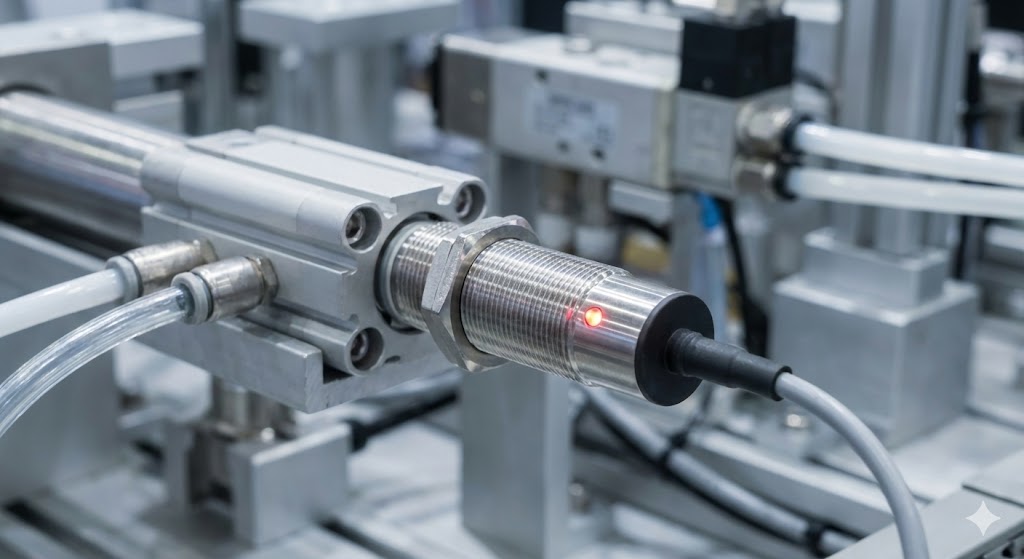
Ultrasonic proximity sensors, on the other hand, use sound waves. They emit high-frequency ultrasonic pulses and measure the time it takes for the echo to return from a target object. The presence of an object within a set distance alters the echo return time. Since sound waves reflect off most solid and liquid surfaces, ultrasonic sensors are highly effective for detecting a wide array of non-metallic objects, as well as for measuring distance and level. They are particularly useful in environments with dust, smoke, or vapors where optical sensors might fail.
The applications for these sensors are extensive and critical across industries. In packaging, they detect the presence of plastic bottles, cardboard boxes, or labels on production lines. In the food and beverage sector, capacitive sensors monitor levels of liquids, sauces, or granular substances like sugar and flour inside non-metallic containers. The wood and paper industries rely on them to detect sheets, boards, and rolls. In automotive assembly, they ensure non-metallic components like dashboards, trim, or fluid reservoirs are correctly positioned. Furthermore, ultrasonic sensors are indispensable for precise liquid level control in tanks and for collision avoidance in automated guided vehicles (AGVs).
The advantages of deploying non-metallic proximity sensors are compelling. First and foremost is their material versatility. A single sensor type can detect plastics, ceramics, glass, and liquids, simplifying inventory and application design. They offer reliable performance in dirty or harsh conditions; capacitive sensors are unaffected by color or opacity, and ultrasonic sensors perform well where optical clarity is poor. Their non-contact nature ensures no wear and tear on either the sensor or the target object, leading to minimal maintenance and long service life. This translates directly into increased production efficiency, reduced downtime, and lower operational costs.
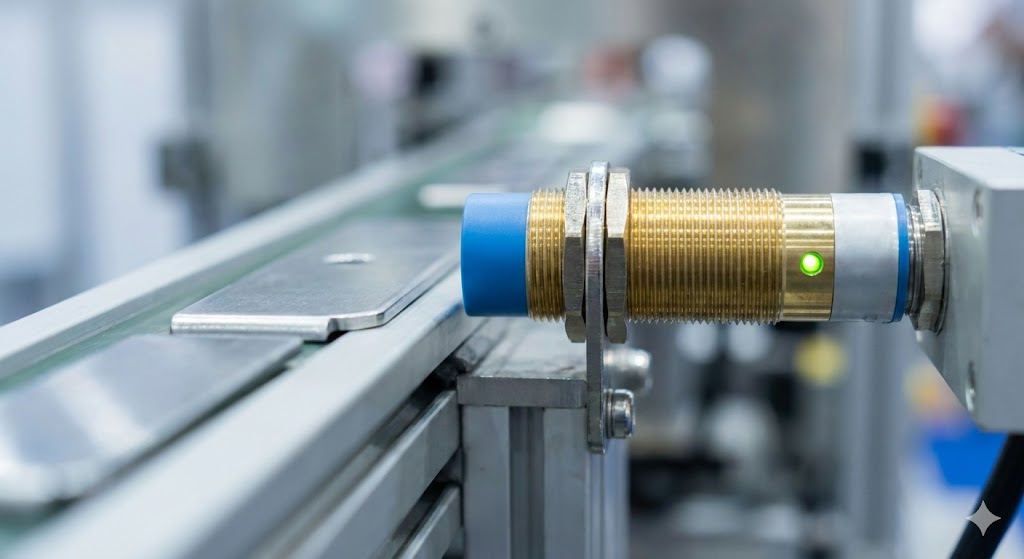
When selecting a non-metallic proximity sensor, several factors must be considered. The nature of the target material (dielectric constant for capacitive, sound reflectivity for ultrasonic), the required sensing range, the operating environment (temperature, humidity, potential chemical exposure), and the required output type (digital or analog) are all crucial. Installation is also key; proper mounting and shielding for capacitive sensors can prevent false triggers from surrounding materials.
In conclusion, non-metallic proximity sensors are indispensable enablers of modern automation. By leveraging capacitive and ultrasonic technologies, they solve detection challenges that inductive sensors cannot address. Their ability to reliably sense a broad spectrum of materials in tough conditions makes them a cornerstone for innovation in manufacturing, processing, and beyond, driving smarter, more efficient, and more flexible automated systems.